


• Note for exam:

    inspection=Bureau of Food Safety and Community Sanitation

    Assessed during Inspections:
    Improper time and temperature controls
    Improper cooling
    Poor personal hygiene
    Employee illness
    Bare hand contact with ready-to-eat foods
    Rodent and other vermin activity
    Inadequate equipment and facilities

    Inspection zone:
    Receiving
    Storage
    Preparation
    Cooking
    Hot-holding
    Cooling
    Reheating
    Service

    hazardous temperature (41°F - 140°F)

    * Grade A . 0 to 13 points for sanitary violations.

    * Grade B . 14 to 27 points for sanitary violations.

    * Grade C . 28 or more points for sanitary violations.

    "potentially hazardous" food
    raw or cooked animal products such as meats, poultry, fish, shellfish (mollusks as well as crustaceans), milk and milk products (cheese, butter milk, heavy cream etc.,),plant protein such as tofu, and starches such as cooked rice, cooked pasta, cooked beans and cooked vegetables like potatoes, cut melons, cut leafy greens, cut tomatoes or mixtures of cut tomatoes, as well a sraw seed sprouts and garlic in oil
    Exceptions: water activity (.85 or less) / pH of 4.6 or below

    United States Department of Agriculture (USDA) inspection stamp in food/meat
    Fresh beef must be received at 41°F or below, and frozen beef at 0°F or below

    all smoked fish must be stored at 38°F or below (Clostridium botulinum)
    The shellfish tag is required to be kept with the product, and kept for another 90 days after it is used up, in order of delivery.The virus hepatitis A is associated with shellfish.
    Eggs temperature of 45°F (Salmonella enteritidis)

    Milk and Dairy Products 41°F or below
    The poison ciguatoxin, which is not destroyed by cooking, is found in certain fish and causes the food-borne illness ciguatera.

    Scombroid poisoning is another food-borne illness caused by eating marine fish.. Cooking does not destroy histamine; all fish must be gutted and refrigerated soon after being caught.\

    Eight Most Common Allergens:Fish
    Peanuts
    Wheat
    Soy
    Tree Nuts
    Eggs
    Milk
    Shell Fish {Food Problems Will Send The EMS}
    Additives that Trigger Allergies:Nitrites - added in meats for redness
    Sulfites - added to dried and preserved fruits and vegetables for freshness
    MSG – added to enhance the flavor of food
    The presence of the following in the food constitutes a chemical hazard:
    7. Ciguatoxin
    A. True
    8. Prescription medicines
    A. True
    9. Roach spray

    12. Hair dye true

    Food contaminated with pathogenic bacteria has no change in taste, smell or appearance, and is difficult to identify.
    undesirable bacteria, which cause decomposition of food
    Benign bacteria are neither helpful nor harmful to humans.

    pH value of 4.6 or less

    Psychrophilic bacteria thrive in the cold and grow at temperatures below 50°F.

    Mesophilic bacteria grow best at temperatures between 50°F - 110°F. This is the group of greatest concern.

    Thermophilic bacteria thrive in heat and grow best at temperatures between 110°F - 150°F and more.
    One of the ways to control this illness is to freeze fish at minus 31 °F for 15 hours.
    food-borne parasite found in under-cooked pork is:Trichinella spiralis

    FOOD-BORNE INFECTION> contains microorganism
    FOOD-BORNE INTOXICATION> toxin by microorganism

    Food that is not later reheated to 165°F before serving.
    poultry 165°F for 15 seconds
    Pork 150°F for 15 seconds
    shell eggs 145°F for 15 seconds
    Ground meat 158°F for 15 seconds
    Meat, fish and other potentially hazardous foods not listed above are required to be cooked to 140°F for 15 seconds.
    Potentially hazardous foods that have been allowed to cool over an extended period of time- more than 2 hours when cooling from 140°F to 70°F, and more than 4 hours when cooling from 70°F to 41°F or below, are considered contaminated and must be discarded.

    A cooling device capable of rapidly cooling potentially hazardous foods from 140°F to 41°F within 4 hours is recommended.
    Wash energetically in first compartment with warm water at 110°F - 120— F using a good dish detergent and brush. Dish detergent does not sanitize utensils.


    The hot water supply should be sufficient to satisfy the continuous and peak hot water demands of the establishment. Hot water for hand washing should not exceed 115°F.
    Hot water for mechanical dishwashing should be 140°F - 165°F for washing and 180°F for sanitizing. The water temperature for manual hot water sanitization should be at least 170°F.


    Note for exam: inspection=Bureau of Food Safety and Community Sanitation Assessed during Inspections: Improper time and temperature controls Improper cooling Poor personal hygiene Employee illness Bare hand contact with ready-to-eat foods Rodent and other vermin activity Inadequate equipment and facilities Inspection zone: Receiving Storage Preparation Cooking Hot-holding Cooling Reheating Service hazardous temperature (41°F - 140°F) * Grade A . 0 to 13 points for sanitary violations. * Grade B . 14 to 27 points for sanitary violations. * Grade C . 28 or more points for sanitary violations. "potentially hazardous" food raw or cooked animal products such as meats, poultry, fish, shellfish (mollusks as well as crustaceans), milk and milk products (cheese, butter milk, heavy cream etc.,),plant protein such as tofu, and starches such as cooked rice, cooked pasta, cooked beans and cooked vegetables like potatoes, cut melons, cut leafy greens, cut tomatoes or mixtures of cut tomatoes, as well a sraw seed sprouts and garlic in oil Exceptions: water activity (.85 or less) / pH of 4.6 or below United States Department of Agriculture (USDA) inspection stamp in food/meat Fresh beef must be received at 41°F or below, and frozen beef at 0°F or below all smoked fish must be stored at 38°F or below (Clostridium botulinum) The shellfish tag is required to be kept with the product, and kept for another 90 days after it is used up, in order of delivery.The virus hepatitis A is associated with shellfish. Eggs temperature of 45°F (Salmonella enteritidis) Milk and Dairy Products 41°F or below The poison ciguatoxin, which is not destroyed by cooking, is found in certain fish and causes the food-borne illness ciguatera. Scombroid poisoning is another food-borne illness caused by eating marine fish.. Cooking does not destroy histamine; all fish must be gutted and refrigerated soon after being caught.\ Eight Most Common Allergens:Fish Peanuts Wheat Soy Tree Nuts Eggs Milk Shell Fish {Food Problems Will Send The EMS} Additives that Trigger Allergies:Nitrites - added in meats for redness Sulfites - added to dried and preserved fruits and vegetables for freshness MSG – added to enhance the flavor of food The presence of the following in the food constitutes a chemical hazard: 7. Ciguatoxin A. True 8. Prescription medicines A. True 9. Roach spray 12. Hair dye true Food contaminated with pathogenic bacteria has no change in taste, smell or appearance, and is difficult to identify. undesirable bacteria, which cause decomposition of food Benign bacteria are neither helpful nor harmful to humans. pH value of 4.6 or less Psychrophilic bacteria thrive in the cold and grow at temperatures below 50°F. Mesophilic bacteria grow best at temperatures between 50°F - 110°F. This is the group of greatest concern. Thermophilic bacteria thrive in heat and grow best at temperatures between 110°F - 150°F and more. One of the ways to control this illness is to freeze fish at minus 31 °F for 15 hours. food-borne parasite found in under-cooked pork is:Trichinella spiralis FOOD-BORNE INFECTION> contains microorganism FOOD-BORNE INTOXICATION> toxin by microorganism Food that is not later reheated to 165°F before serving. poultry 165°F for 15 seconds Pork 150°F for 15 seconds shell eggs 145°F for 15 seconds Ground meat 158°F for 15 seconds Meat, fish and other potentially hazardous foods not listed above are required to be cooked to 140°F for 15 seconds. Potentially hazardous foods that have been allowed to cool over an extended period of time- more than 2 hours when cooling from 140°F to 70°F, and more than 4 hours when cooling from 70°F to 41°F or below, are considered contaminated and must be discarded. A cooling device capable of rapidly cooling potentially hazardous foods from 140°F to 41°F within 4 hours is recommended. Wash energetically in first compartment with warm water at 110°F - 120— F using a good dish detergent and brush. Dish detergent does not sanitize utensils. The hot water supply should be sufficient to satisfy the continuous and peak hot water demands of the establishment. Hot water for hand washing should not exceed 115°F. Hot water for mechanical dishwashing should be 140°F - 165°F for washing and 180°F for sanitizing. The water temperature for manual hot water sanitization should be at least 170°F.
    0 Commentaires 0 Parts 1KB Vue
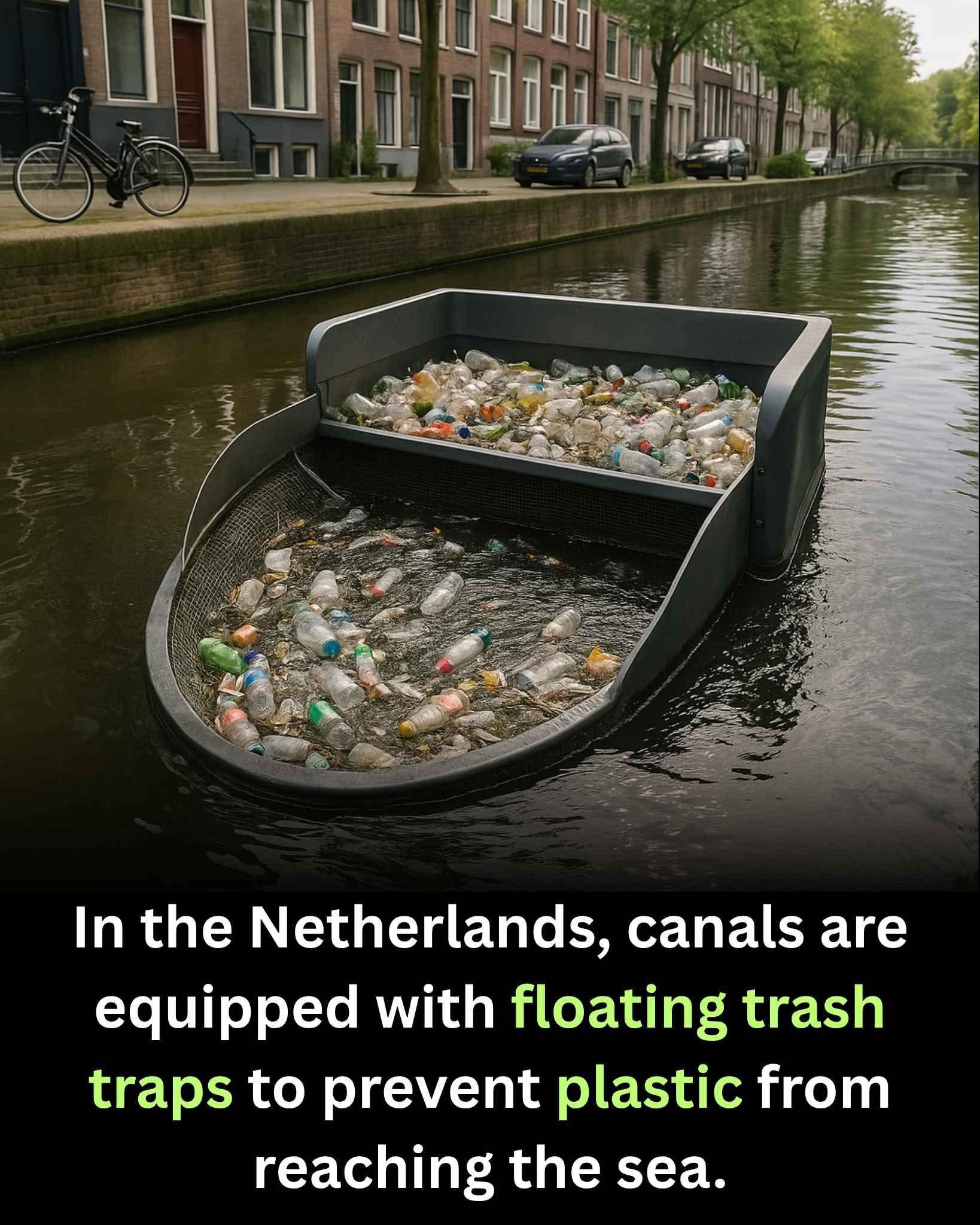
  • In the Netherlands, canals are now fitted with floating trash traps designed to stop plastic waste before it flows into rivers and eventually the sea. These innovative barriers are positioned strategically along waterways, using the natural flow of water to guide litter into collection points. The traps are designed to capture everything from small plastic bottles to larger debris without harming fish or disrupting boat traffic.
    Once collected, the waste is removed regularly and sent for recycling or proper disposal, ensuring it doesn’t contribute to marine pollution. This system tackles the problem at its source, preventing plastics from breaking down into harmful microplastics that are nearly impossible to remove from the ocean. It’s a proactive approach that aligns perfectly with the Netherlands’ strong environmental commitment.

    By keeping canals cleaner, these trash traps also improve the beauty of urban waterways, making them more pleasant for residents and tourists alike. Combined with public awareness campaigns about littering, the initiative represents a powerful step toward healthier waterways and oceans. It’s a reminder that small, targeted innovations can have a big impact in the global fight against plastic pollution.

    #CleanWaterways #PlasticFreeOceans #EcoInnovation
    In the Netherlands, canals are now fitted with floating trash traps designed to stop plastic waste before it flows into rivers and eventually the sea. These innovative barriers are positioned strategically along waterways, using the natural flow of water to guide litter into collection points. The traps are designed to capture everything from small plastic bottles to larger debris without harming fish or disrupting boat traffic. Once collected, the waste is removed regularly and sent for recycling or proper disposal, ensuring it doesn’t contribute to marine pollution. This system tackles the problem at its source, preventing plastics from breaking down into harmful microplastics that are nearly impossible to remove from the ocean. It’s a proactive approach that aligns perfectly with the Netherlands’ strong environmental commitment. By keeping canals cleaner, these trash traps also improve the beauty of urban waterways, making them more pleasant for residents and tourists alike. Combined with public awareness campaigns about littering, the initiative represents a powerful step toward healthier waterways and oceans. It’s a reminder that small, targeted innovations can have a big impact in the global fight against plastic pollution. #CleanWaterways #PlasticFreeOceans #EcoInnovation
    0 Commentaires 0 Parts 584 Vue
  • A personalized mRNA vaccine wiped out one patient’s glioblastoma, an aggressive brain tumor, with no chemo or radiation. Developed at Brigham and Women’s Hospital, the single-dose shot trained the immune system to attack the tumor’s unique mutations. Two years later, the patient remains cancer-free. Early trial, big promise. More testing is now underway.

    #CancerVaccine #Glioblastoma #mRNATherapy #MedicalBreakthrough #ImmunotherapyRevolution
    A personalized mRNA vaccine wiped out one patient’s glioblastoma, an aggressive brain tumor, with no chemo or radiation. Developed at Brigham and Women’s Hospital, the single-dose shot trained the immune system to attack the tumor’s unique mutations. Two years later, the patient remains cancer-free. Early trial, big promise. More testing is now underway. #CancerVaccine #Glioblastoma #mRNATherapy #MedicalBreakthrough #ImmunotherapyRevolution
    0 Commentaires 0 Parts 668 Vue
  • 🎬 Action | The legendary Female Samurai challenges the Japanese Empire | Free Full Movie in English 4K
    🎬 Action | The legendary Female Samurai challenges the Japanese Empire | Free Full Movie in English 4K
    0 Commentaires 0 Parts 204 Vue
  • BLACKMAIL | Full Web Series | Nusrat Imroz Tisha | Arosh Khan | Tauquir Ahmed | Sharaf Ahmed Jibon | Watch Now Free
    BLACKMAIL | Full Web Series | Nusrat Imroz Tisha | Arosh Khan | Tauquir Ahmed | Sharaf Ahmed Jibon | Watch Now Free
    0 Commentaires 0 Parts 104 Vue
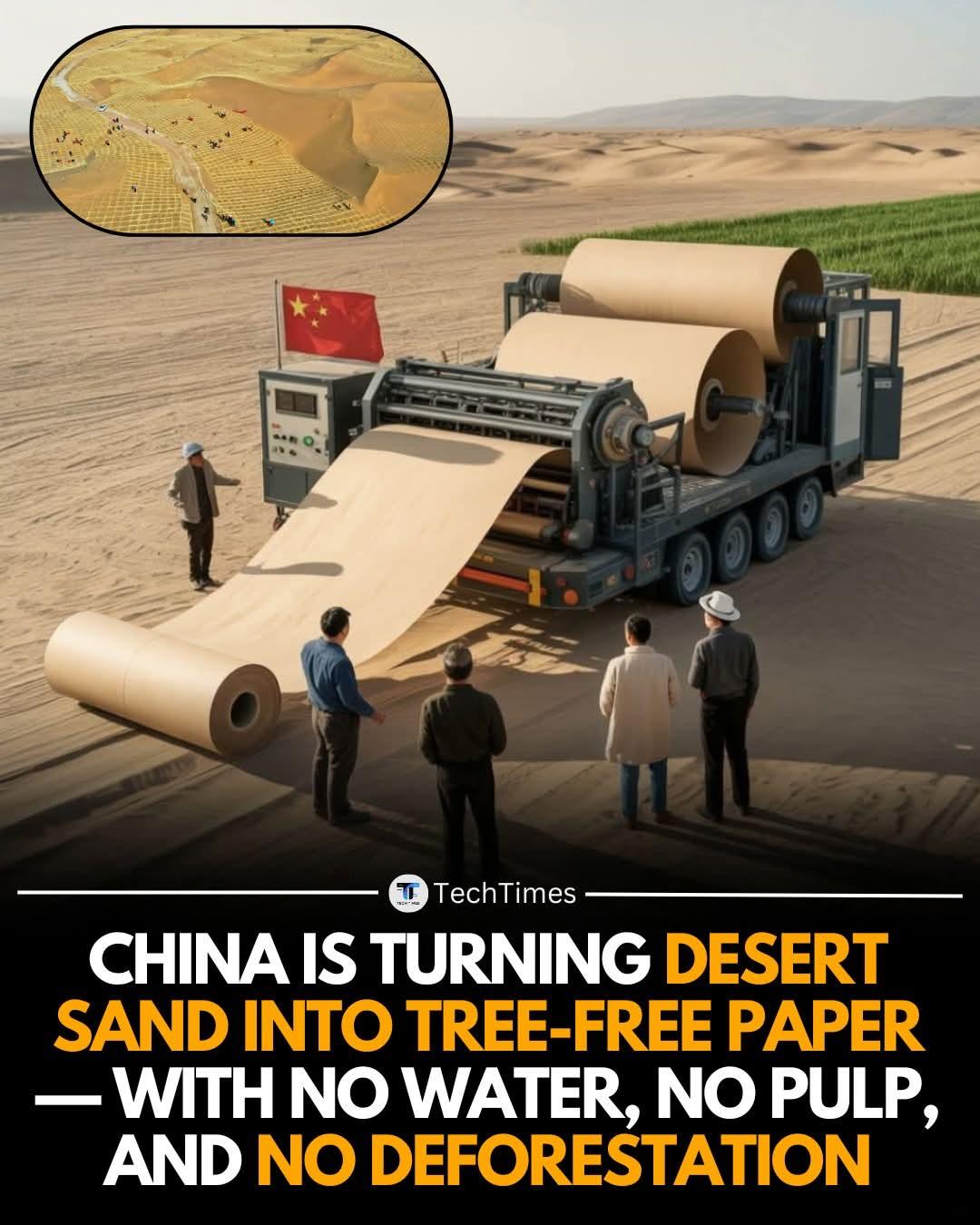
  • In a major advancement for sustainable manufacturing, Chinese researchers have developed a process to create a new type of paper from a combination of desert sand and agricultural waste. This innovative material, often referred to as "stone paper," uses calcium carbonate from sand and discarded fibers from sources like cotton stalks. Unlike traditional paper production, which is a resource-intensive process requiring large amounts of water and wood pulp, this method is designed to be free of water, bleaching chemicals, and deforestation.

    This breakthrough technology has significant environmental and economic implications. By transforming abundant, previously unusable materials like desert sand into a valuable resource, China is addressing both the issue of desertification and the high environmental cost of traditional paper production. The resulting paper is not only waterproof and tear-resistant but also recyclable and durable, offering a more sustainable alternative for various applications, including packaging, notebooks, and posters. This shift towards using non-traditional materials for manufacturing demonstrates a new approach to eco-conscious production and has the potential to transform economies in arid regions.

    #SustainableTech #Innovation #DesertPaper #China #GreenManufacturing
    In a major advancement for sustainable manufacturing, Chinese researchers have developed a process to create a new type of paper from a combination of desert sand and agricultural waste. This innovative material, often referred to as "stone paper," uses calcium carbonate from sand and discarded fibers from sources like cotton stalks. Unlike traditional paper production, which is a resource-intensive process requiring large amounts of water and wood pulp, this method is designed to be free of water, bleaching chemicals, and deforestation. This breakthrough technology has significant environmental and economic implications. By transforming abundant, previously unusable materials like desert sand into a valuable resource, China is addressing both the issue of desertification and the high environmental cost of traditional paper production. The resulting paper is not only waterproof and tear-resistant but also recyclable and durable, offering a more sustainable alternative for various applications, including packaging, notebooks, and posters. This shift towards using non-traditional materials for manufacturing demonstrates a new approach to eco-conscious production and has the potential to transform economies in arid regions. #SustainableTech #Innovation #DesertPaper #China #GreenManufacturing
    0 Commentaires 0 Parts 490 Vue
  • Denmark is known for its innovative “forest schools,” where nature becomes the classroom and learning happens in the great outdoors. These schools—also known as skovbørnehaver—focus on outdoor, play-based education, where children spend most of their day exploring forests, building shelters, climbing trees, and observing wildlife. This model supports not just academic growth but also social, emotional, and physical development. The idea is to let kids be kids—curious, free, and connected to nature.

    Research has shown that children in forest schools often demonstrate stronger problem-solving skills, better cooperation, and reduced stress levels. In Denmark, this approach is deeply rooted in the belief that early childhood education should nurture creativity and confidence rather than revolve around rigid academics. With rising interest in alternative learning models worldwide, Denmark’s forest schools are inspiring educators across the globe to rethink what a classroom can be.

    #denmark #facts #DenmarkEducation #ChildDevelopment #didyouknowfacts
    Denmark is known for its innovative “forest schools,” where nature becomes the classroom and learning happens in the great outdoors. These schools—also known as skovbørnehaver—focus on outdoor, play-based education, where children spend most of their day exploring forests, building shelters, climbing trees, and observing wildlife. This model supports not just academic growth but also social, emotional, and physical development. The idea is to let kids be kids—curious, free, and connected to nature. Research has shown that children in forest schools often demonstrate stronger problem-solving skills, better cooperation, and reduced stress levels. In Denmark, this approach is deeply rooted in the belief that early childhood education should nurture creativity and confidence rather than revolve around rigid academics. With rising interest in alternative learning models worldwide, Denmark’s forest schools are inspiring educators across the globe to rethink what a classroom can be. #denmark #facts #DenmarkEducation #ChildDevelopment #didyouknowfacts
    0 Commentaires 0 Parts 572 Vue
  • No drugs. No chemo. Just light and cancer cells explode from the inside.

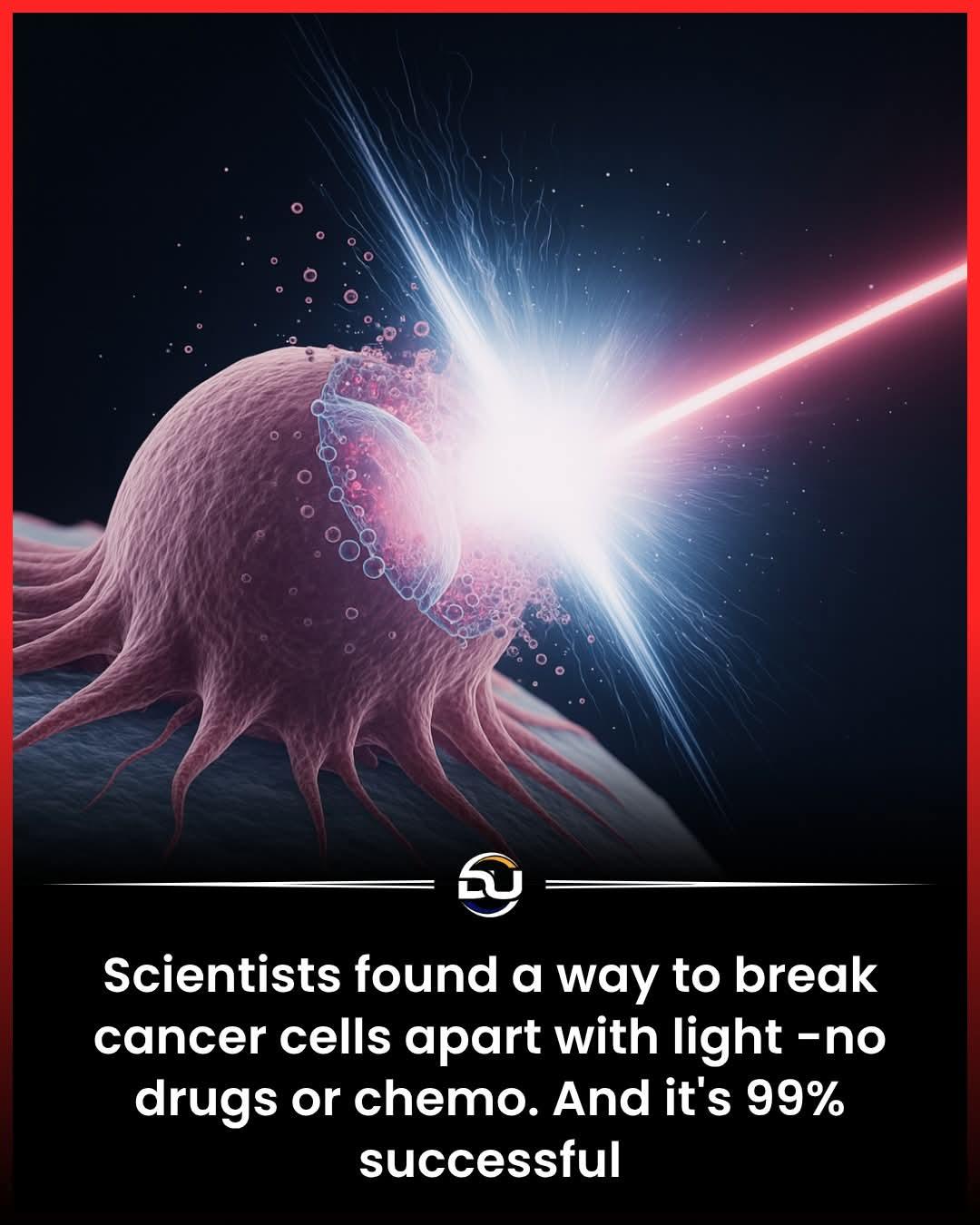
    In a major breakthrough that could change cancer treatment forever, scientists have discovered a way to destroy cancer cells using nothing but light no drugs, no chemotherapy, no radiation.

    Researchers from Rice University, Texas A&M, and University of Texas created what they call “molecular jackhammers.” These are special dye molecules called aminocyanines that naturally attach to cancer cell membranes. When exposed to near-infrared light, these molecules begin to vibrate violently, shaking the cancer cells so hard that their outer walls rupture.

    The result? The cancer cells fall apart literally broken from the inside out.

    In lab tests on human melanoma cells, this method destroyed about 99% of cancer cells. That’s not just impressive it’s nearly total destruction. In early tests on mice, 50% of the animals became completely tumor-free after receiving the treatment.

    This approach is still in its early stages, but it shows enormous potential. It’s fast, precise, and avoids the painful side effects of chemo or radiation. Plus, since it uses light instead of chemicals, it may be safer and more targeted with fewer impacts on healthy cells.

    Scientists believe this could be the future of cancer treatment: non-invasive, drug-free, and powered by light.

    #LightVsCancer #MolecularJackhammers #CancerBreakthrough #NoChemoNeeded #ScienceRevolution
    No drugs. No chemo. Just light and cancer cells explode from the inside. In a major breakthrough that could change cancer treatment forever, scientists have discovered a way to destroy cancer cells using nothing but light no drugs, no chemotherapy, no radiation. Researchers from Rice University, Texas A&M, and University of Texas created what they call “molecular jackhammers.” These are special dye molecules called aminocyanines that naturally attach to cancer cell membranes. When exposed to near-infrared light, these molecules begin to vibrate violently, shaking the cancer cells so hard that their outer walls rupture. The result? The cancer cells fall apart literally broken from the inside out. In lab tests on human melanoma cells, this method destroyed about 99% of cancer cells. That’s not just impressive it’s nearly total destruction. In early tests on mice, 50% of the animals became completely tumor-free after receiving the treatment. This approach is still in its early stages, but it shows enormous potential. It’s fast, precise, and avoids the painful side effects of chemo or radiation. Plus, since it uses light instead of chemicals, it may be safer and more targeted with fewer impacts on healthy cells. Scientists believe this could be the future of cancer treatment: non-invasive, drug-free, and powered by light. #LightVsCancer #MolecularJackhammers #CancerBreakthrough #NoChemoNeeded #ScienceRevolution
    0 Commentaires 0 Parts 457 Vue
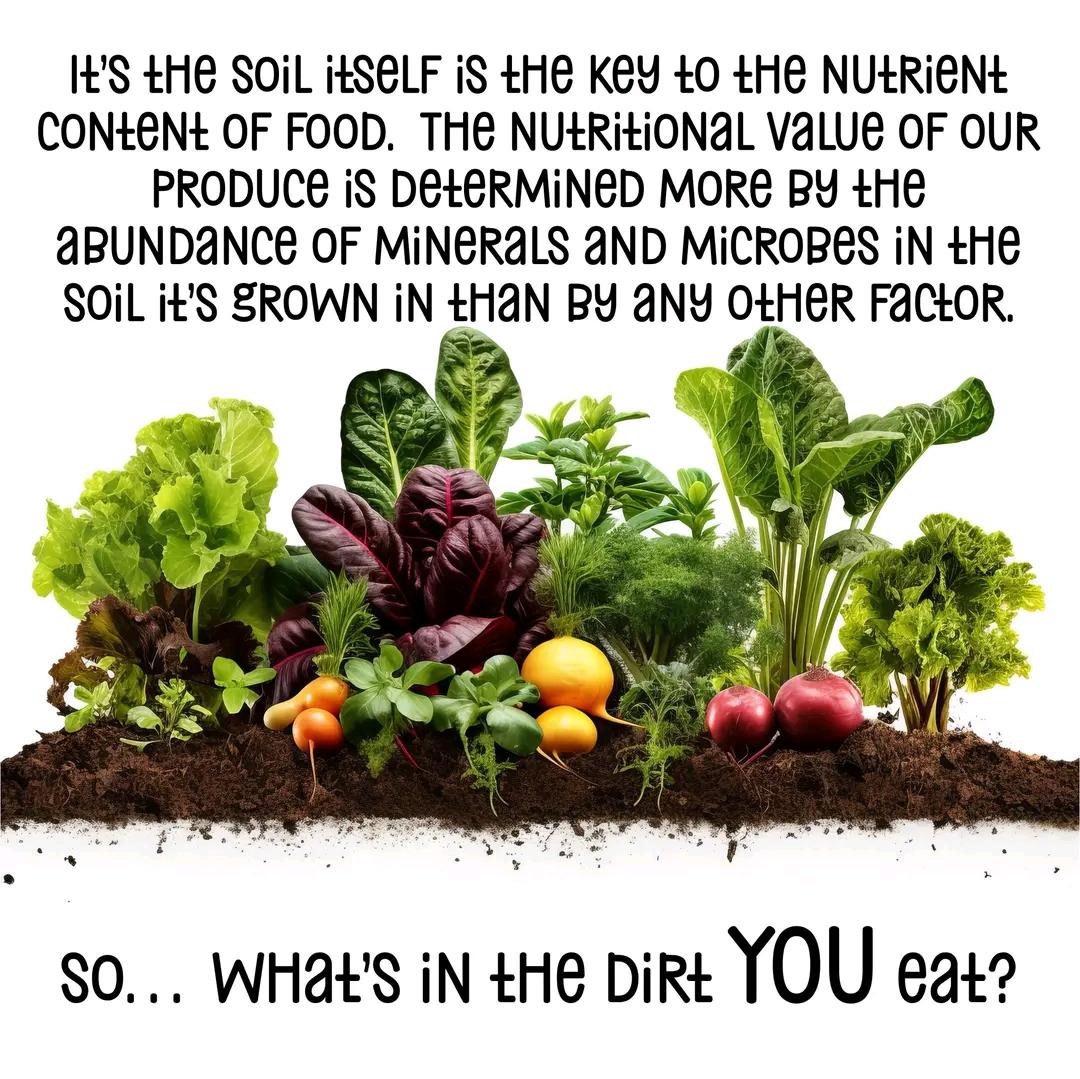
  • In order to support ourselves nutritionally, we are increasingly encouraged to eat more whole foods, especially fruits, vegetables, and grains. We focus much concern on pesticide-free agriculture and the lag time in getting food from farm to market. All that wilted lettuce looks so unappealing.
    In order to support ourselves nutritionally, we are increasingly encouraged to eat more whole foods, especially fruits, vegetables, and grains. We focus much concern on pesticide-free agriculture and the lag time in getting food from farm to market. All that wilted lettuce looks so unappealing.
    0 Commentaires 0 Parts 131 Vue
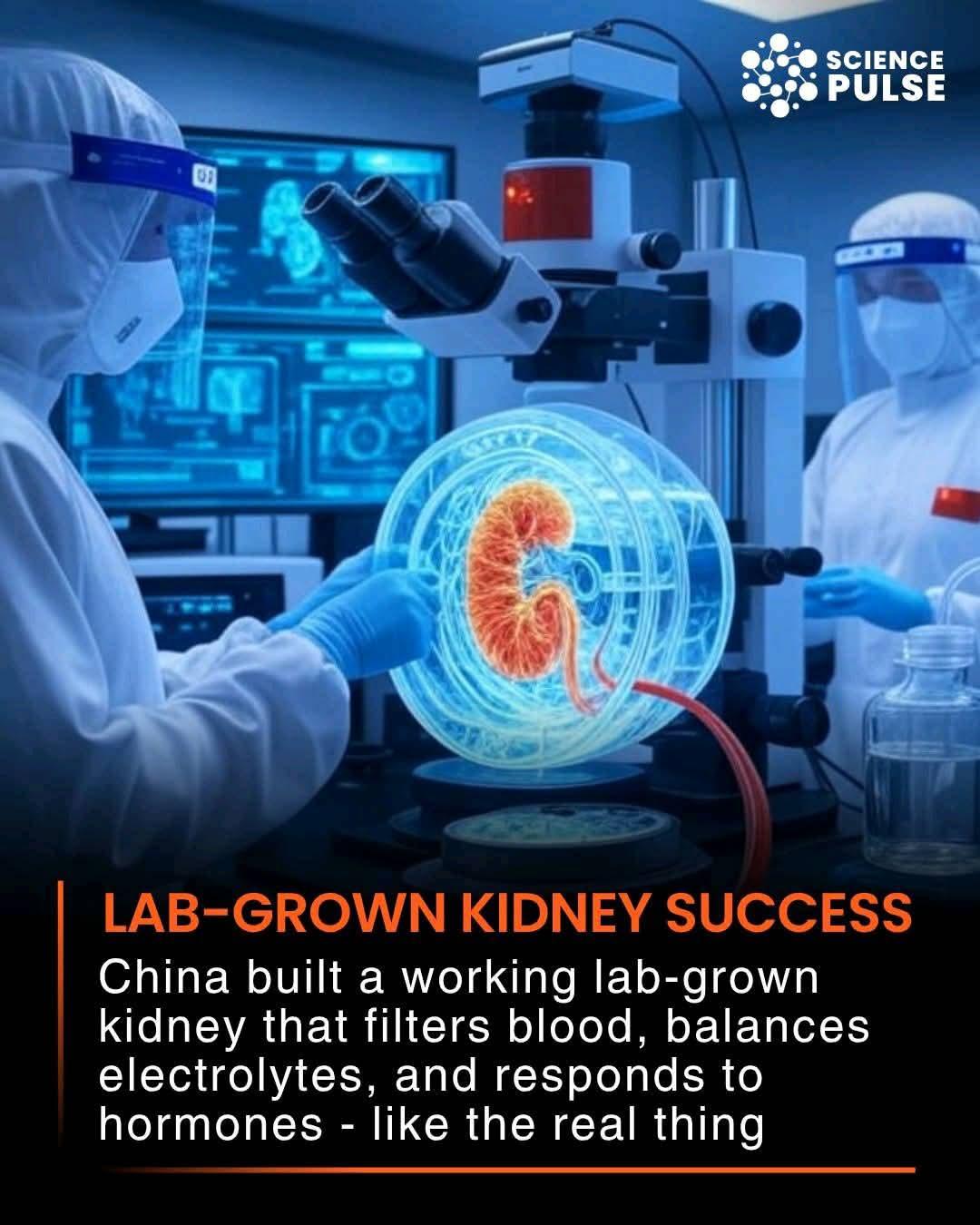
  • Chinese scientists in Shanghai have achieved a monumental breakthrough by growing a fully functional human kidney in the lab that can filter blood, balance electrolytes, and produce urine outside the body. This is not a model or simulation, but a real bioengineered organ capable of performing complex kidney functions.

    Using stem cell-derived organoids seeded onto a biodegradable hydrogel vascular scaffold, the kidney tissue matured into working nephron structures including glomeruli, tubules, and urine-collecting systems. Connected to an artificial circulatory loop, the organ maintained stable blood filtration for over 60 hours, effectively separating waste and returning clean plasma. It also responded to hormones like ADH and aldosterone to regulate water and salt balance, mimicking natural kidney responses.

    This breakthrough could revolutionize treatment for the 850 million people worldwide suffering from kidney failure. Current options like dialysis and transplants are limited by donor shortages and rejection risks. The lab-grown kidney offers hope for personalized, rejection-free transplants made from a patient’s own cells.

    Human clinical trials are expected within two years following successful pig studies, moving us closer to on-demand organ manufacturing. This advance represents a historic leap in regenerative medicine and could end transplant waitlists forever.
    Chinese scientists in Shanghai have achieved a monumental breakthrough by growing a fully functional human kidney in the lab that can filter blood, balance electrolytes, and produce urine outside the body. This is not a model or simulation, but a real bioengineered organ capable of performing complex kidney functions. Using stem cell-derived organoids seeded onto a biodegradable hydrogel vascular scaffold, the kidney tissue matured into working nephron structures including glomeruli, tubules, and urine-collecting systems. Connected to an artificial circulatory loop, the organ maintained stable blood filtration for over 60 hours, effectively separating waste and returning clean plasma. It also responded to hormones like ADH and aldosterone to regulate water and salt balance, mimicking natural kidney responses. This breakthrough could revolutionize treatment for the 850 million people worldwide suffering from kidney failure. Current options like dialysis and transplants are limited by donor shortages and rejection risks. The lab-grown kidney offers hope for personalized, rejection-free transplants made from a patient’s own cells. Human clinical trials are expected within two years following successful pig studies, moving us closer to on-demand organ manufacturing. This advance represents a historic leap in regenerative medicine and could end transplant waitlists forever.
    Love
    1
    0 Commentaires 0 Parts 189 Vue
  • মাছের মাথার ভেতর কোটি টাকার ব্যবসা.? 😲

    এটা গল্প না, বাস্তব সত্য!

    বাংলাদেশের অধিকাংশ মানুষ যখন মাছের মাথা ফেলে দেয়, কিন্তু বিশ্বব্যাপী এই অংশটা কিনে নেয় লাখ লাখ টাকায়।
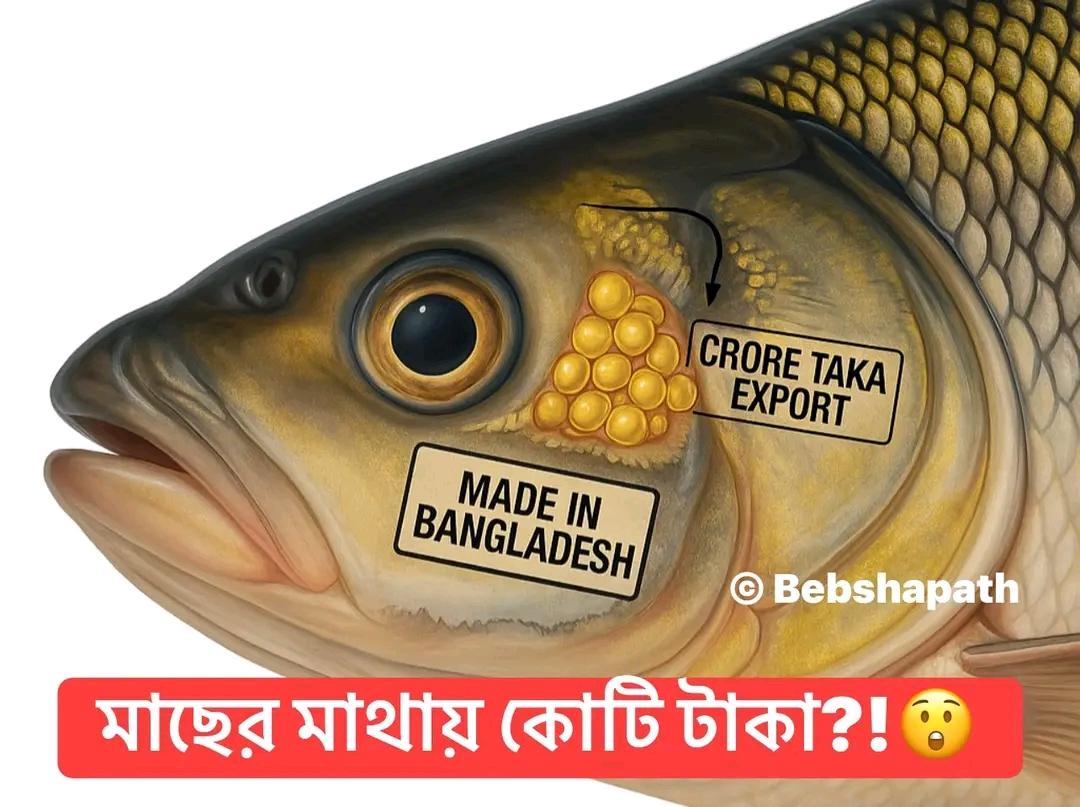
    কারণ মাছের মাথার ভেতরেই আছে এক ছোট্ট কিন্তু অমূল্য সম্পদ- পিটুইটারি গ্লান্ড (Pituitary Gland).!!

    🧠 পিটুইটারি গ্লান্ড কী?

    এটা মাছের ব্রেইনের নিচের অংশে থাকা হরমোন নিঃসরণকারী একটি ছোট গ্রন্থি। এটি মাছের প্রজনন বা “induced breeding” এর জন্য অপরিহার্য।

    বিশ্বের অনেক হ্যাচারি ও গবেষণাগারে এই গ্লান্ড থেকে GtH (Gonadotropic Hormone) সংগ্রহ করে ব্যবহার করা হয়।

    🌍 কেন এত চাহিদা? কোথায় ব্যবহৃত হয়?

    এই গ্লান্ড সবচেয়ে বেশি ব্যবহৃত হয়:

    ✅ Fish Hatchery Industry – কৃত্রিম প্রজনন করাতে
    ✅ Pharmaceutical Research – হরমোন গবেষণায়
    ✅ Aqua Tech Companies – প্রজনন বুস্টার ও ঔষধ প্রস্তুত করতে

    বিশ্বের যে দেশগুলোতে এর চাহিদা সবচেয়ে বেশঃ
    🇨🇳 চীন
    🇻🇳 ভিয়েতনাম
    🇹🇭 থাইল্যান্ড
    🇮🇩 ইন্দোনেশিয়া
    🇵🇭 ফিলিপাইন

    💸 এক কেজি পিটুইটারি গ্লান্ডের দাম কত?

    প্রতি কেজি গ্লান্ডের দাম আন্তর্জাতিক বাজারে হয়:
    ৩০,০০০ থেকে ৫০,০০০ মার্কিন ডলার (প্রায় ৩০–৫০ লাখ টাকা) 😲

    একটি গ্লান্ডের ওজন হয় মাত্র ৫–১০ মিলিগ্রাম
    ১ কেজি = প্রায় ৪,০০০–৫,০০০ মাছের গ্লান্ড

    🐟 কোন মাছের গ্লান্ড সবচেয়ে বেশি চাহিদাসম্পন্ন?
    • রুই
    • কাতলা
    • মৃগেল
    • পাঙ্গাস
    • শিং
    • মাগুর
    • টেংরা, বোয়াল, বাইম

    এই মাছগুলোর গ্লান্ড সবচেয়ে কার্যকর ও মূল্যবান

    🧊 সংরক্ষণ ও প্রক্রিয়াকরণ

    গ্লান্ড সংগ্রহ করার পর এটি সংরক্ষণ করতে হয়:

    ✅ Deep Freeze (-40°C)
    ✅ অথবা Ethanol Solution-এ ডুবিয়ে
    পরে এটি কাঁচা বা প্রসেসড অবস্থায় রপ্তানি করা হয়

    📦 রপ্তানি প্রক্রিয়া ও লাইসেন্স

    আপনি চাইলে বাংলাদেশ থেকেই এই গ্লান্ড রপ্তানি করতে পারেন, তবে আপনাকে নিতে হবেঃ

    🔹 ট্রেড লাইসেন্স
    🔹 ব্যবসা রেজিস্ট্রেশন (BIN)
    🔹 VAT নম্বর
    🔹 রপ্তানি উন্নয়ন ব্যুরো (EPB) রেজিস্ট্রেশন
    🔹 মৎস্য অধিদপ্তর থেকে অনুমোদন
    🔹 ফিশ প্রসেসিং ও এক্সপোর্ট লাইসেন্স

    📈 কীভাবে বায়ার খুঁজবেন?

    ✅ বিদেশি হ্যাচারি কোম্পানি ও রিসার্চ ল্যাব
    ✅ Alibaba, Made-in-China, Tradekey-এর মতো B2B সাইট
    ✅ চীনের ডিলার বা এজেন্ট
    ✅ আন্তর্জাতিক ফিশারিজ ট্রেড ফেয়ার
    ✅ সোশ্যাল মিডিয়া ও ওয়েবসাইটের মাধ্যমে প্রমোশন

    💼 কত টাকা ইনভেস্টমেন্ট লাগবে?
    • ছোট স্কেলে (ঘরে বসে গ্লান্ড কালেকশন): ৪০-৫০ হাজার টাকা
    • মিড স্কেল (সংরক্ষণ + নমুনা প্রেরণ): ১–২ লাখ টাকা
    • বড় স্কেলে প্রসেসিং ল্যাব ও এক্সপোর্ট সেটআপ: ৫–১০ লাখ টাকা

    📍 বাংলাদেশে কোথায় বেশি সম্ভাবনা?
    • ময়মনসিংহ
    • রাজশাহী
    • খুলনা
    • বরিশাল
    • কুমিল্লা
    • সিলেট

    এই অঞ্চলে প্রতিদিন হাজার হাজার টন মাছ কাটাকাটি হয় — কিন্তু এই মূল্যবান গ্লান্ড অনেক সময় ফেলে দেওয়া হয় জাস্ট “অজ্ঞানতায়”।

    ✅ কেন এটা বাংলাদেশের জন্য গুরুত্বপূর্ণ?
    • দেশের রপ্তানি আয় বাড়বে
    • মাছের সব অংশের ভ্যালু পাওয়া যাবে
    • উদ্যোক্তাদের নতুন লাভজনক খাত
    • বৈধভাবে রেমিটেন্স আনার সুযোগ
    • সরকারি সহায়তা থাকলে বছরে ৫০+ মিলিয়ন ডলার আয় সম্ভব

    🔥 আপনার জন্য পরামর্শ:

    ✅ মাছের গ্লান্ড নিয়ে রিসার্চ করুন
    ✅ স্থানীয় মৎস্য অফিসে যোগাযোগ করুন
    ✅ প্রশিক্ষণ নিন, তারপর লাইসেন্স নিন
    ✅ ১০০% বৈধভাবে এই ব্যবসা শুরু করুন
    ✅ আন্তর্জাতিক বায়ারদের সাথে কানেক্ট করুন

    #রপ্তানি
    #ইম্পোর্ট
    #startabusiness
    #importexport
    #এক্সপোর্ট
    #export
    #business
    #entrepreneur
    #মাছ_রপ্তানি
    #কোটি
    #পিটুইটারি
    মাছের মাথার ভেতর কোটি টাকার ব্যবসা.? 😲 এটা গল্প না, বাস্তব সত্য! বাংলাদেশের অধিকাংশ মানুষ যখন মাছের মাথা ফেলে দেয়, কিন্তু বিশ্বব্যাপী এই অংশটা কিনে নেয় লাখ লাখ টাকায়। কারণ মাছের মাথার ভেতরেই আছে এক ছোট্ট কিন্তু অমূল্য সম্পদ- পিটুইটারি গ্লান্ড (Pituitary Gland).!! 🧠 পিটুইটারি গ্লান্ড কী? এটা মাছের ব্রেইনের নিচের অংশে থাকা হরমোন নিঃসরণকারী একটি ছোট গ্রন্থি। এটি মাছের প্রজনন বা “induced breeding” এর জন্য অপরিহার্য। বিশ্বের অনেক হ্যাচারি ও গবেষণাগারে এই গ্লান্ড থেকে GtH (Gonadotropic Hormone) সংগ্রহ করে ব্যবহার করা হয়। 🌍 কেন এত চাহিদা? কোথায় ব্যবহৃত হয়? এই গ্লান্ড সবচেয়ে বেশি ব্যবহৃত হয়: ✅ Fish Hatchery Industry – কৃত্রিম প্রজনন করাতে ✅ Pharmaceutical Research – হরমোন গবেষণায় ✅ Aqua Tech Companies – প্রজনন বুস্টার ও ঔষধ প্রস্তুত করতে বিশ্বের যে দেশগুলোতে এর চাহিদা সবচেয়ে বেশঃ 🇨🇳 চীন 🇻🇳 ভিয়েতনাম 🇹🇭 থাইল্যান্ড 🇮🇩 ইন্দোনেশিয়া 🇵🇭 ফিলিপাইন 💸 এক কেজি পিটুইটারি গ্লান্ডের দাম কত? প্রতি কেজি গ্লান্ডের দাম আন্তর্জাতিক বাজারে হয়: ৩০,০০০ থেকে ৫০,০০০ মার্কিন ডলার (প্রায় ৩০–৫০ লাখ টাকা) 😲 একটি গ্লান্ডের ওজন হয় মাত্র ৫–১০ মিলিগ্রাম ১ কেজি = প্রায় ৪,০০০–৫,০০০ মাছের গ্লান্ড 🐟 কোন মাছের গ্লান্ড সবচেয়ে বেশি চাহিদাসম্পন্ন? • রুই • কাতলা • মৃগেল • পাঙ্গাস • শিং • মাগুর • টেংরা, বোয়াল, বাইম এই মাছগুলোর গ্লান্ড সবচেয়ে কার্যকর ও মূল্যবান 🧊 সংরক্ষণ ও প্রক্রিয়াকরণ গ্লান্ড সংগ্রহ করার পর এটি সংরক্ষণ করতে হয়: ✅ Deep Freeze (-40°C) ✅ অথবা Ethanol Solution-এ ডুবিয়ে পরে এটি কাঁচা বা প্রসেসড অবস্থায় রপ্তানি করা হয় 📦 রপ্তানি প্রক্রিয়া ও লাইসেন্স আপনি চাইলে বাংলাদেশ থেকেই এই গ্লান্ড রপ্তানি করতে পারেন, তবে আপনাকে নিতে হবেঃ 🔹 ট্রেড লাইসেন্স 🔹 ব্যবসা রেজিস্ট্রেশন (BIN) 🔹 VAT নম্বর 🔹 রপ্তানি উন্নয়ন ব্যুরো (EPB) রেজিস্ট্রেশন 🔹 মৎস্য অধিদপ্তর থেকে অনুমোদন 🔹 ফিশ প্রসেসিং ও এক্সপোর্ট লাইসেন্স 📈 কীভাবে বায়ার খুঁজবেন? ✅ বিদেশি হ্যাচারি কোম্পানি ও রিসার্চ ল্যাব ✅ Alibaba, Made-in-China, Tradekey-এর মতো B2B সাইট ✅ চীনের ডিলার বা এজেন্ট ✅ আন্তর্জাতিক ফিশারিজ ট্রেড ফেয়ার ✅ সোশ্যাল মিডিয়া ও ওয়েবসাইটের মাধ্যমে প্রমোশন 💼 কত টাকা ইনভেস্টমেন্ট লাগবে? • ছোট স্কেলে (ঘরে বসে গ্লান্ড কালেকশন): ৪০-৫০ হাজার টাকা • মিড স্কেল (সংরক্ষণ + নমুনা প্রেরণ): ১–২ লাখ টাকা • বড় স্কেলে প্রসেসিং ল্যাব ও এক্সপোর্ট সেটআপ: ৫–১০ লাখ টাকা 📍 বাংলাদেশে কোথায় বেশি সম্ভাবনা? • ময়মনসিংহ • রাজশাহী • খুলনা • বরিশাল • কুমিল্লা • সিলেট এই অঞ্চলে প্রতিদিন হাজার হাজার টন মাছ কাটাকাটি হয় — কিন্তু এই মূল্যবান গ্লান্ড অনেক সময় ফেলে দেওয়া হয় জাস্ট “অজ্ঞানতায়”। ✅ কেন এটা বাংলাদেশের জন্য গুরুত্বপূর্ণ? • দেশের রপ্তানি আয় বাড়বে • মাছের সব অংশের ভ্যালু পাওয়া যাবে • উদ্যোক্তাদের নতুন লাভজনক খাত • বৈধভাবে রেমিটেন্স আনার সুযোগ • সরকারি সহায়তা থাকলে বছরে ৫০+ মিলিয়ন ডলার আয় সম্ভব 🔥 আপনার জন্য পরামর্শ: ✅ মাছের গ্লান্ড নিয়ে রিসার্চ করুন ✅ স্থানীয় মৎস্য অফিসে যোগাযোগ করুন ✅ প্রশিক্ষণ নিন, তারপর লাইসেন্স নিন ✅ ১০০% বৈধভাবে এই ব্যবসা শুরু করুন ✅ আন্তর্জাতিক বায়ারদের সাথে কানেক্ট করুন #রপ্তানি #ইম্পোর্ট #startabusiness #importexport #এক্সপোর্ট #export #business #entrepreneur #মাছ_রপ্তানি #কোটি #পিটুইটারি
    0 Commentaires 0 Parts 445 Vue
  • 𝙇𝙪𝙭𝙪𝙧𝙮 𝙏𝙧𝙖𝙥-এ ঢুইকো না জীবনে শান্তি চাইলে!

    তুমি এখনো স্টুডেন্ট, সবে ফ্রেশ গ্র্যাজুয়েট বা ক্যারিয়ারে ঢুকছো এই মুহূর্তে যদি চিন্তা করো "তিন ক্যামেরার ফোন ছাড়া চলবেনা", ব্র্যান্ডেড হেডফোন, এক্সপেন্সিভ রেস্টুরেন্ট, চকচকে শার্ট-প্যান্ট আর ক্যাফেতে ভাইরাল চা খাওয়া ছাড়া লাইফে কিছুই নাই..

    তাহলে ভাই, খবর আছে।

    তুমি LUXURY TRAP–এ ঢুকতেছ!

    বাংলাদেশে ৭৫% তরুণ ফিনান্সিয়াল স্ট্রেসে পড়ে তাদের ‘life-start তখনো properly শুরু হওয়ার আগেই’।

    (সূত্রঃ বাংলাদেশ ব্যাংক, SME Youth Survey 2023)

    মানে, ইনকাম ১০ হাজার, খরচ ১৫ হাজার।

    এইটা সেই ফাঁদ, যেটা বাহির থেকে দেখে মনে হয় Luxury, ভেতরে ঢুকে বুঝবা Necessity নাই!

    এইটা ছাড়া জীবন খুব ভালোভাবে সুন্দরভাবে চলে যাবে।

    তোমার আশপাশে অনেকেই এই ফাঁদে পড়েছে।

    দেখবা

    🛍 স্টুডেন্ট হয়েও EMI দিয়ে ১ লাখ টাকার মোবাইল ইউজার।

    🛵 ব্যাকআপ ইনকাম নাই, তবুও কিস্তিতে বাইক কিনসে।

    🎮 অনলাইন ইনফ্লুয়েন্সার হবো ভেবে DSLR নিয়ে খবর নাই।

    ☕ প্রতি সপ্তাহে টুংটাং হোটেলের রংচং হাইফাই ব্রেকফাস্ট বেদরকারে।

    এইগুলা আসলে লোহার হাতকড়া! এটা পরার পর তুমি আর ইনভেস্ট করতে পারবা না নিজের স্কিলে, নতুন কোর্সে, নিজের গ্রোথে!

    তুমি ইনভেস্ট করবা না সে প্রতিষ্ঠানে যা তোমার ইনকাম বাড়াবে, বরং তুমি খরচ করবা সেই জায়গায় যেখানে তোমাকে বাহির থেকে দেখতে "স্মার্ট" লাগে, কিন্তু ভেতরটা ফাঁকা রাখে।

    এটাই হলো Real Luxury Trap।

    তুমি ভাবতেছো তুমি এই বিলাসিতার মালিক।

    আসলে এসব লাক্সারি গুলাই তোমার মালিক হয়ে যাচ্ছে।

    একটা ছোট উদাহরণ দেই.

    তুমি যদি এখন প্রোগ্রামিং বা ডিজাইন শিখতে ৫-১০ হাজার টাকার একটা কোর্সে সময় দাও, সেটা দিতে পারবে না, কারণ তোমার টাকা নাই। কিন্তু এই মাসেই তুমি রেস্টুরেন্টে একবেলা খেয়ে ২০০০ বিল উড়াইসো।

    তুমি যদি এখন একটু কষ্ট করো, সাময়িক simple life চালাও, দুই বছর পর সেটাই তোমাকে দিয়েছে Skill যদি শিখো। পাবা Stability + Savings।

    আর সেখান থেকেই উঠে আসবে তোমার Real Freedom আর Real Luxury 💎

    আমি বলতেসি না, বিলাসিতা করোনা।

    কিন্তু আগে বিল্ড হও।

    পরে বিলাসিতা করতেও মজা লাগবে, সমস্যাও হবেনা তেমন।
    𝙇𝙪𝙭𝙪𝙧𝙮 𝙏𝙧𝙖𝙥-এ ঢুইকো না জীবনে শান্তি চাইলে! তুমি এখনো স্টুডেন্ট, সবে ফ্রেশ গ্র্যাজুয়েট বা ক্যারিয়ারে ঢুকছো এই মুহূর্তে যদি চিন্তা করো "তিন ক্যামেরার ফোন ছাড়া চলবেনা", ব্র্যান্ডেড হেডফোন, এক্সপেন্সিভ রেস্টুরেন্ট, চকচকে শার্ট-প্যান্ট আর ক্যাফেতে ভাইরাল চা খাওয়া ছাড়া লাইফে কিছুই নাই.. তাহলে ভাই, খবর আছে। তুমি LUXURY TRAP–এ ঢুকতেছ! বাংলাদেশে ৭৫% তরুণ ফিনান্সিয়াল স্ট্রেসে পড়ে তাদের ‘life-start তখনো properly শুরু হওয়ার আগেই’। (সূত্রঃ বাংলাদেশ ব্যাংক, SME Youth Survey 2023) মানে, ইনকাম ১০ হাজার, খরচ ১৫ হাজার। এইটা সেই ফাঁদ, যেটা বাহির থেকে দেখে মনে হয় Luxury, ভেতরে ঢুকে বুঝবা Necessity নাই! এইটা ছাড়া জীবন খুব ভালোভাবে সুন্দরভাবে চলে যাবে। তোমার আশপাশে অনেকেই এই ফাঁদে পড়েছে। দেখবা 🛍 স্টুডেন্ট হয়েও EMI দিয়ে ১ লাখ টাকার মোবাইল ইউজার। 🛵 ব্যাকআপ ইনকাম নাই, তবুও কিস্তিতে বাইক কিনসে। 🎮 অনলাইন ইনফ্লুয়েন্সার হবো ভেবে DSLR নিয়ে খবর নাই। ☕ প্রতি সপ্তাহে টুংটাং হোটেলের রংচং হাইফাই ব্রেকফাস্ট বেদরকারে। এইগুলা আসলে লোহার হাতকড়া! এটা পরার পর তুমি আর ইনভেস্ট করতে পারবা না নিজের স্কিলে, নতুন কোর্সে, নিজের গ্রোথে! তুমি ইনভেস্ট করবা না সে প্রতিষ্ঠানে যা তোমার ইনকাম বাড়াবে, বরং তুমি খরচ করবা সেই জায়গায় যেখানে তোমাকে বাহির থেকে দেখতে "স্মার্ট" লাগে, কিন্তু ভেতরটা ফাঁকা রাখে। এটাই হলো Real Luxury Trap। তুমি ভাবতেছো তুমি এই বিলাসিতার মালিক। আসলে এসব লাক্সারি গুলাই তোমার মালিক হয়ে যাচ্ছে। একটা ছোট উদাহরণ দেই. তুমি যদি এখন প্রোগ্রামিং বা ডিজাইন শিখতে ৫-১০ হাজার টাকার একটা কোর্সে সময় দাও, সেটা দিতে পারবে না, কারণ তোমার টাকা নাই। কিন্তু এই মাসেই তুমি রেস্টুরেন্টে একবেলা খেয়ে ২০০০ বিল উড়াইসো। তুমি যদি এখন একটু কষ্ট করো, সাময়িক simple life চালাও, দুই বছর পর সেটাই তোমাকে দিয়েছে Skill যদি শিখো। পাবা Stability + Savings। আর সেখান থেকেই উঠে আসবে তোমার Real Freedom আর Real Luxury 💎 আমি বলতেসি না, বিলাসিতা করোনা। কিন্তু আগে বিল্ড হও। পরে বিলাসিতা করতেও মজা লাগবে, সমস্যাও হবেনা তেমন।
    0 Commentaires 0 Parts 223 Vue
Plus de résultats
BlackBird Ai
https://bbai.shop