

 Ai and Tools
Maybe not 5×, but new brain scans suggest it’s not harmless.
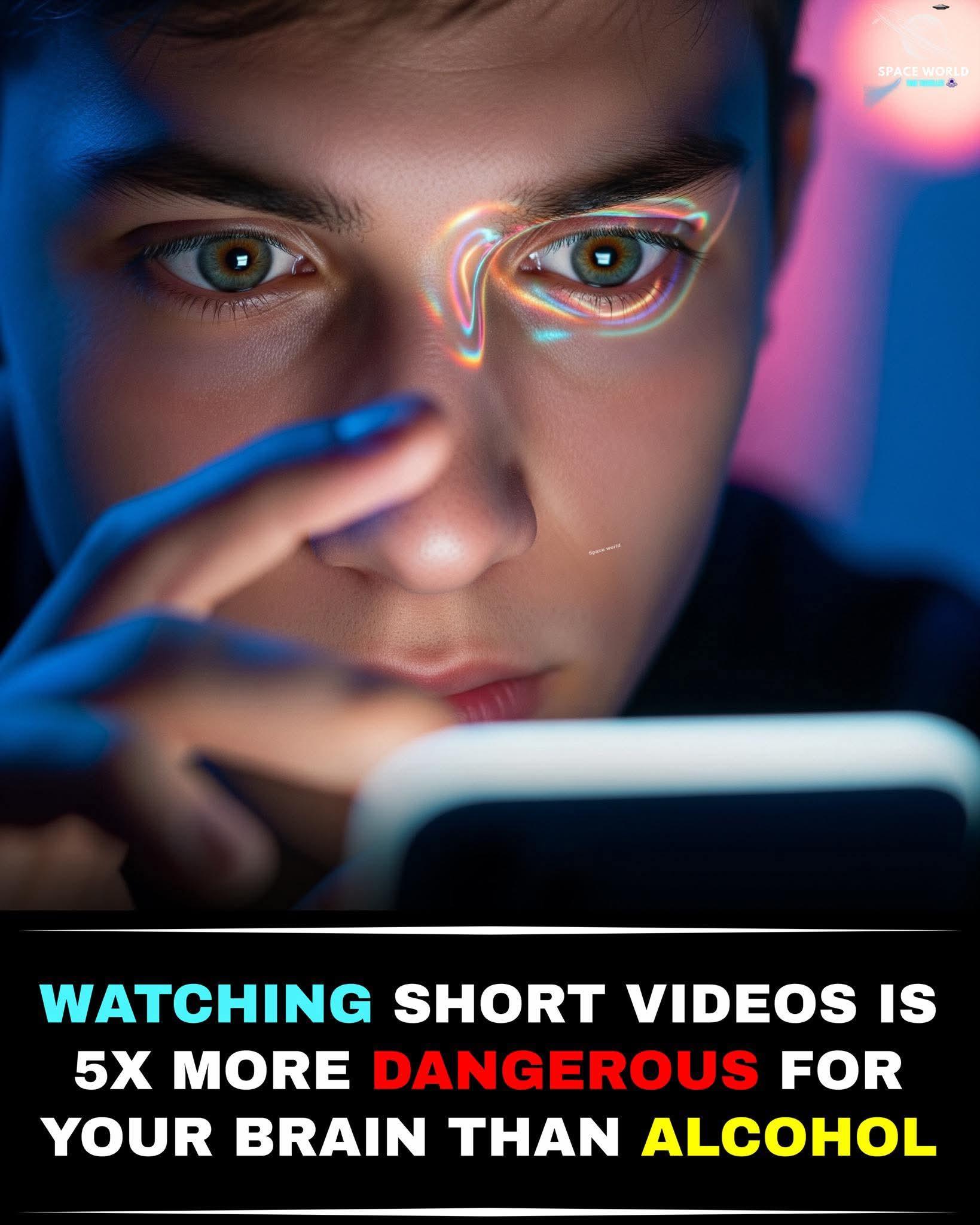
𝐈𝐬 𝐛𝐢𝐧𝐠𝐞-𝐰𝐚𝐭𝐜𝐡𝐢𝐧𝐠 𝐓𝐢𝐤𝐓𝐨𝐤𝐬 𝐰𝐨𝐫𝐬𝐞 𝐟𝐨𝐫 𝐲𝐨𝐮𝐫 𝐛𝐫𝐚𝐢𝐧 𝐭𝐡𝐚𝐧 𝐚𝐥𝐜𝐨𝐡𝐨𝐥?
𝐑𝐞𝐜𝐞𝐧𝐭 𝐬𝐭𝐮𝐝𝐢𝐞𝐬 show that excessive short-video use can change brain structure, reduce attention span, and fuel 𝐢𝐦𝐩𝐮𝐥𝐬𝐢𝐯𝐞 𝐛𝐞𝐡𝐚𝐯𝐢𝐨𝐫—all warning signs of digital addiction. Meanwhile, alcohol remains a known neurotoxin, 𝐝𝐚𝐦𝐚𝐠𝐢𝐧𝐠 memory, shrinking brain tissue, and impairing cognitive skills.
While there’s no scientific proof that short videos are five times more harmful, one thing’s clear: digital overload may be rewiring our brain in troubling ways.
𝐑𝐞𝐬𝐞𝐚𝐫𝐜𝐡 𝐒𝐡𝐨𝐰𝐬 𝐄𝐱𝐜𝐞𝐬𝐬𝐢𝐯𝐞 𝐒𝐡𝐨𝐫𝐭-𝐅𝐨𝐫𝐦 𝐕𝐢𝐝𝐞𝐨 𝐔𝐬𝐞 𝐂𝐚𝐧 𝐇𝐚𝐫𝐦 𝐘𝐨𝐮𝐫 𝐁𝐫𝐚𝐢𝐧, Though Saying It’s “5× More Dangerous than Alcohol” Is Not Scientifically Quantified
• Several recent studies from Tianjin Normal University, China have linked heavy short-video use (like TikTok or Reels) to altered brain structure, increased impulsivity, disrupted sleep, and reduced attention span compared to baseline controls. 
• Brain imaging research shows users with short-video addiction symptoms can develop gray matter and neural pathway changes, especially in regions tied to reward processing and decision-making. 
• In contrast, alcohol is a well-known neurotoxin that damages brain cells, shrinks gray matter, impairs memory and executive function, and can cause long-term cognitive decline—even at moderate levels. 
• There is no specific study quantifying that watching short videos is exactly “5× more dangerous” than alcohol. That claim appears exaggerated or hypothetical, with no direct comparative metric.
#DigitalAddiction
#BrainHealth
#TikTokBrain
#AttentionCrisis
#ScreenTimeRisks

 Bangla
 Spanish
 China
China
 Arabic
 French
 German
 Russian