


• On August 10, 2025, a stunning planetary alignment will unfold in the early morning sky as six planets—Mercury, Jupiter, Venus, Uranus, Neptune, and Saturn—line up just before sunrise. This rare event, often referred to as a planetary parade, will feature four bright planets—Mercury, Jupiter, Venus, and Saturn—clearly visible to the naked eye. The more distant Uranus and Neptune will also be part of the alignment but will require binoculars or a small telescope to observe. Visible about an hour before sunrise, this cosmic display offers a beautiful and accessible moment for skywatchers around the world to witness the Solar System’s harmony.
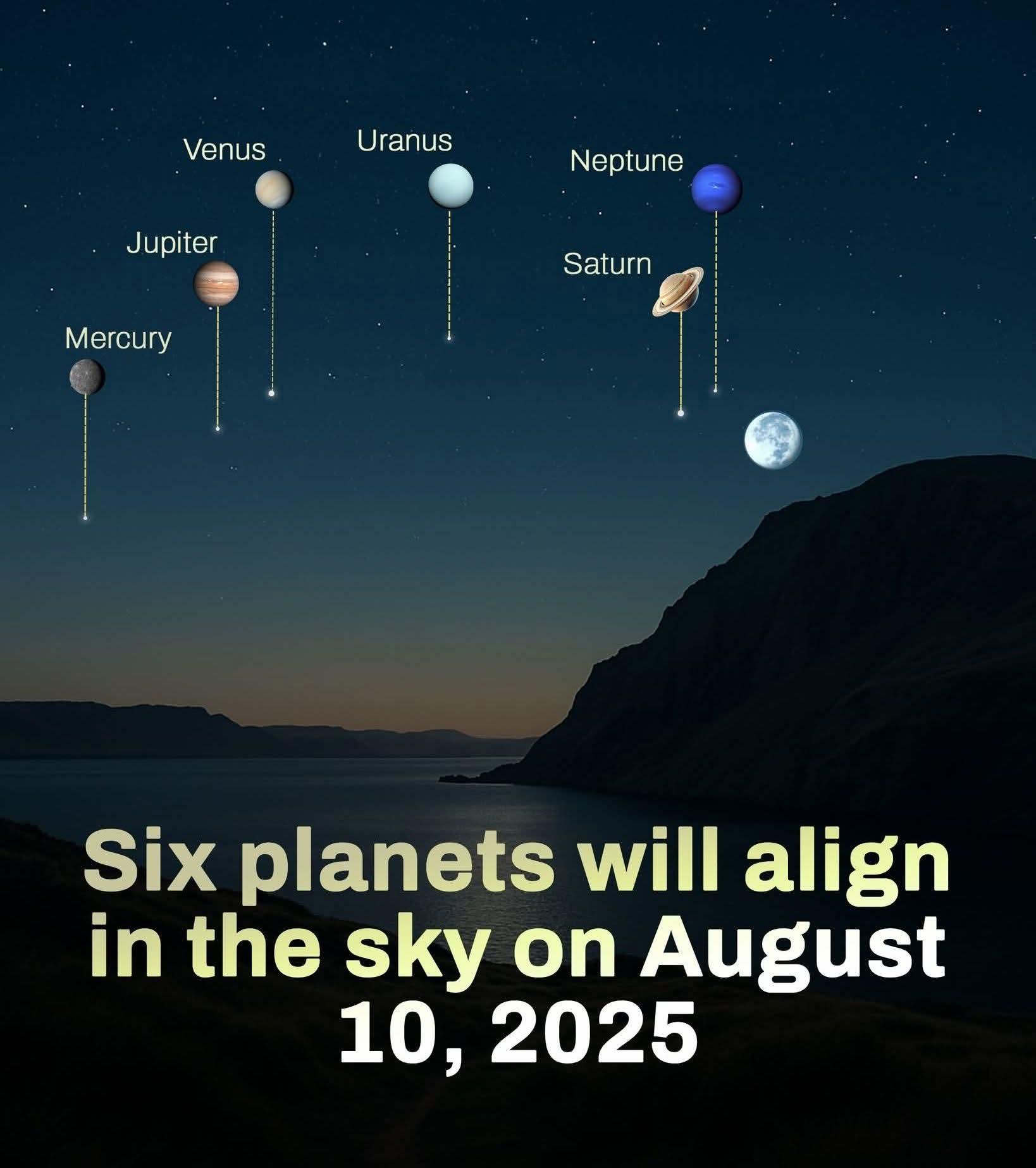
    On August 10, 2025, a stunning planetary alignment will unfold in the early morning sky as six planets—Mercury, Jupiter, Venus, Uranus, Neptune, and Saturn—line up just before sunrise. This rare event, often referred to as a planetary parade, will feature four bright planets—Mercury, Jupiter, Venus, and Saturn—clearly visible to the naked eye. The more distant Uranus and Neptune will also be part of the alignment but will require binoculars or a small telescope to observe. Visible about an hour before sunrise, this cosmic display offers a beautiful and accessible moment for skywatchers around the world to witness the Solar System’s harmony.
    0 Commentarios 0 Acciones 428 Views
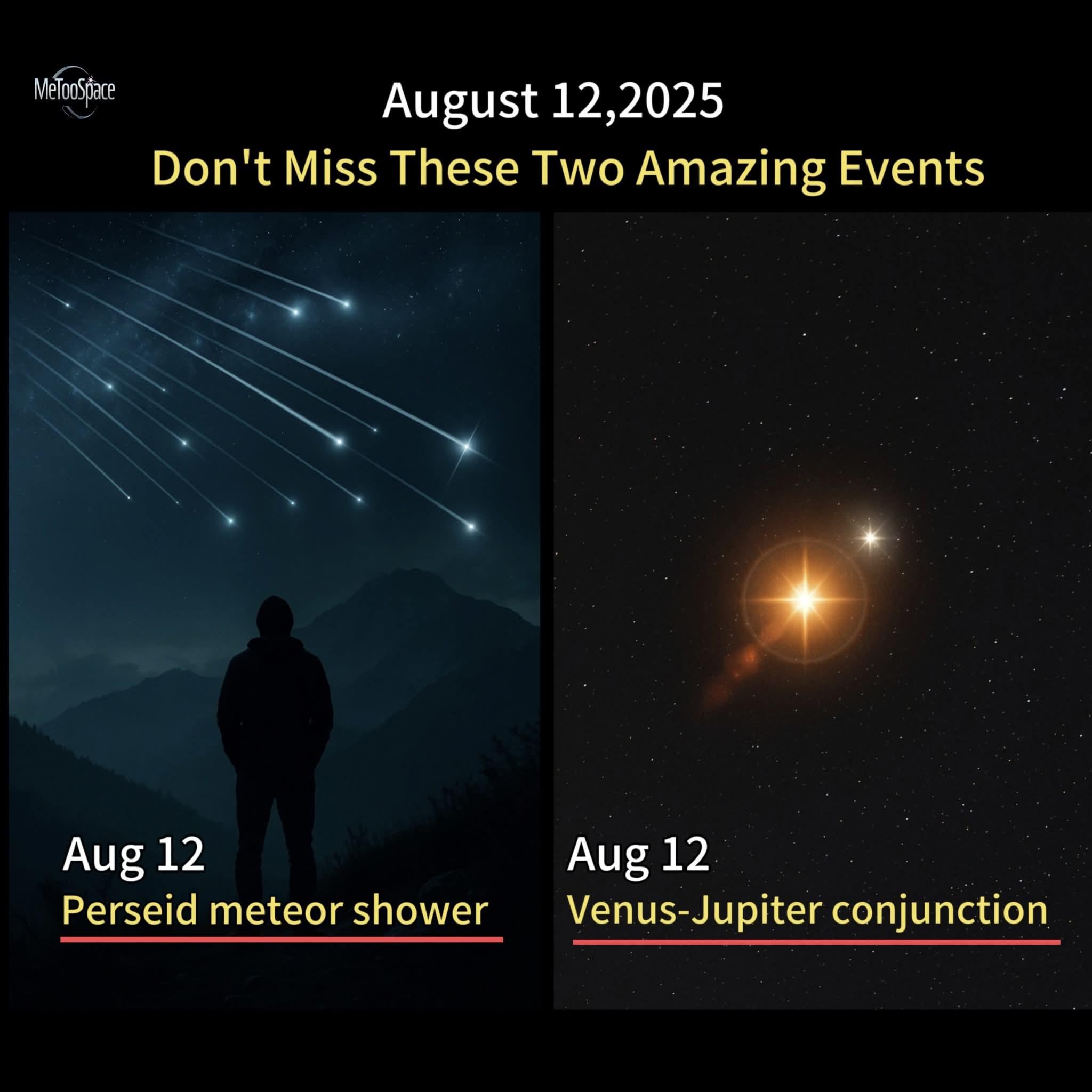
  • 🌌✨Don't Miss These Two Amazing Sky Events on August 12, 2025

    🌠 Perseid Meteor Shower Peak

    On the night of August 12, the Perseid meteor shower reaches its spectacular peak. One of the most reliable and dazzling annual meteor showers, the Perseids can produce up to 100 meteors per hour under dark, clear skies. These meteors are fast, bright, and often leave long glowing trails. The best viewing time is after midnight and before dawn, away from city lights. Look toward the northeast sky, and be patient meteors may come in bursts or steady streams.

    Venus–Jupiter Conjunction

    Also on August 12, a rare and beautiful conjunction of Venus and Jupiter will occur. The two brightest planets in the night sky will appear very close together, almost like a double star. They will be visible just after sunset, low on the western horizon. This is a fantastic opportunity for the naked eye viewing, binoculars, or a small telescope. Don’t miss this stunning planetary meetup these two won't appear this close again for a while!
    #space #science #fact #facts
    🌌✨Don't Miss These Two Amazing Sky Events on August 12, 2025 🌠 Perseid Meteor Shower Peak On the night of August 12, the Perseid meteor shower reaches its spectacular peak. One of the most reliable and dazzling annual meteor showers, the Perseids can produce up to 100 meteors per hour under dark, clear skies. These meteors are fast, bright, and often leave long glowing trails. The best viewing time is after midnight and before dawn, away from city lights. Look toward the northeast sky, and be patient meteors may come in bursts or steady streams. Venus–Jupiter Conjunction Also on August 12, a rare and beautiful conjunction of Venus and Jupiter will occur. The two brightest planets in the night sky will appear very close together, almost like a double star. They will be visible just after sunset, low on the western horizon. This is a fantastic opportunity for the naked eye viewing, binoculars, or a small telescope. Don’t miss this stunning planetary meetup these two won't appear this close again for a while! #space #science #fact #facts
    0 Commentarios 0 Acciones 446 Views
  • There’s a cosmic tourist in our solar system. Meet 3I/ATLAS: a newly discovered interstellar comet flying in from deep space. It’ll buzz closest to the Sun this October just inside Mars' orbit. It poses no threat to Earth. https://science.nasa.gov/blogs/planetary-defense/2025/07/02/nasa-discovers-interstellar-comet-moving-through-solar-system/
    There’s a cosmic tourist in our solar system. Meet 3I/ATLAS: a newly discovered interstellar comet flying in from deep space. It’ll buzz closest to the Sun this October just inside Mars' orbit. It poses no threat to Earth. https://science.nasa.gov/blogs/planetary-defense/2025/07/02/nasa-discovers-interstellar-comet-moving-through-solar-system/
    SCIENCE.NASA.GOV
    NASA Discovers Interstellar Comet Moving Through Solar System
    On July 1, the NASA-funded ATLAS (Asteroid Terrestrial-impact Last Alert System) survey telescope in Rio Hurtado, Chile, first reported observations of a
    0 Commentarios 0 Acciones 291 Views
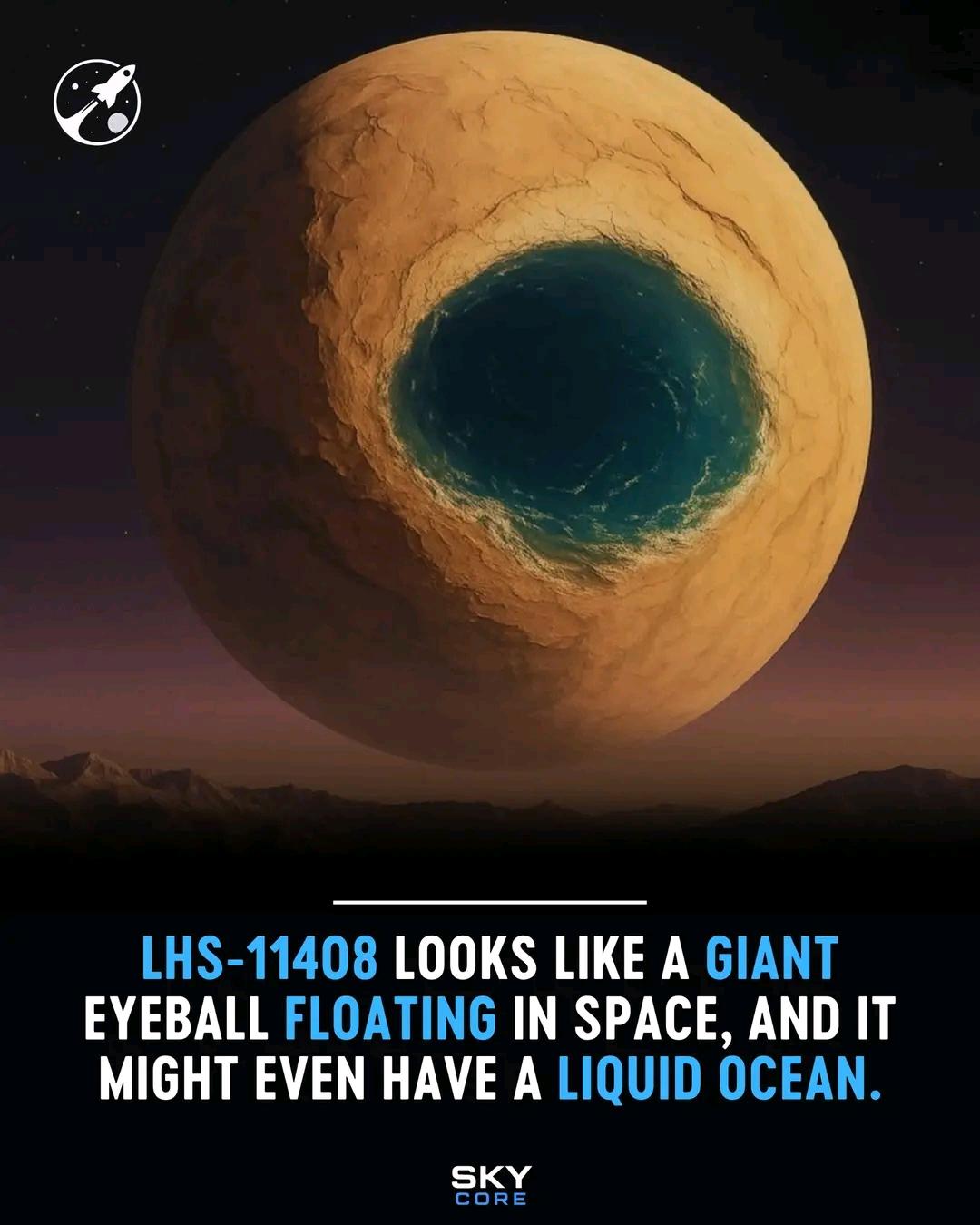
  • A Giant Cosmic Eyeball May Be Watching Us And It Could Be Hiding a Massive Ocean

    Say hello to LHS-1140b a mysterious exoplanet just 50 light-years from Earth that looks like something straight out of science fiction. Thanks to the incredible clarity of the James Webb Space Telescope, astronomers are buzzing with excitement over what might be hidden beneath its strange, frozen surface: a massive liquid ocean, quietly shimmering on the sunlit side of this alien world.

    Orbiting a cool red dwarf star, LHS-1140b is what scientists call tidally locked—meaning one side of the planet always faces its star, basking in eternal light, while the other remains trapped in permanent night. The sunlit hemisphere, warmed just enough, could cradle a vast ocean, while the dark side stays frozen solid. The result? A bizarre but mesmerizing planetary appearance: one glowing watery “eye” in the middle of a pitch-black icy globe. This eerie visual has earned it the nickname “eyeball planet.”

    But this isn’t just about looks. If the suspected ocean exists, LHS-1140b could rank among the most promising places to find alien life. Unlike Earth-like planets that dominate our dreams of space colonization, this half-frozen, half-liquid world challenges our assumptions of habitability. Its extreme conditions don’t rule out life—they may even support it. That’s why LHS-1140b is quickly climbing the ranks of top exoplanet candidates in the search for extraterrestrial biology.

    Ultimately, LHS-1140b is a reminder that the universe isn’t bound by Earth’s rules. It teases us with the possibility that even in deep, cold shadows—or within glowing alien seas—life might find a way to exist. And it’s that cosmic mystery that keeps our eyes turned skyward.

    Credit: Data and insights based on observations from the James Webb Space Telescope, shared via NASA, European Space Agency, and astronomer commentary published by multiple astrophysical journals and science news outlets
    A Giant Cosmic Eyeball May Be Watching Us And It Could Be Hiding a Massive Ocean Say hello to LHS-1140b a mysterious exoplanet just 50 light-years from Earth that looks like something straight out of science fiction. Thanks to the incredible clarity of the James Webb Space Telescope, astronomers are buzzing with excitement over what might be hidden beneath its strange, frozen surface: a massive liquid ocean, quietly shimmering on the sunlit side of this alien world. Orbiting a cool red dwarf star, LHS-1140b is what scientists call tidally locked—meaning one side of the planet always faces its star, basking in eternal light, while the other remains trapped in permanent night. The sunlit hemisphere, warmed just enough, could cradle a vast ocean, while the dark side stays frozen solid. The result? A bizarre but mesmerizing planetary appearance: one glowing watery “eye” in the middle of a pitch-black icy globe. This eerie visual has earned it the nickname “eyeball planet.” But this isn’t just about looks. If the suspected ocean exists, LHS-1140b could rank among the most promising places to find alien life. Unlike Earth-like planets that dominate our dreams of space colonization, this half-frozen, half-liquid world challenges our assumptions of habitability. Its extreme conditions don’t rule out life—they may even support it. That’s why LHS-1140b is quickly climbing the ranks of top exoplanet candidates in the search for extraterrestrial biology. Ultimately, LHS-1140b is a reminder that the universe isn’t bound by Earth’s rules. It teases us with the possibility that even in deep, cold shadows—or within glowing alien seas—life might find a way to exist. And it’s that cosmic mystery that keeps our eyes turned skyward. Credit: Data and insights based on observations from the James Webb Space Telescope, shared via NASA, European Space Agency, and astronomer commentary published by multiple astrophysical journals and science news outlets
    0 Commentarios 0 Acciones 450 Views
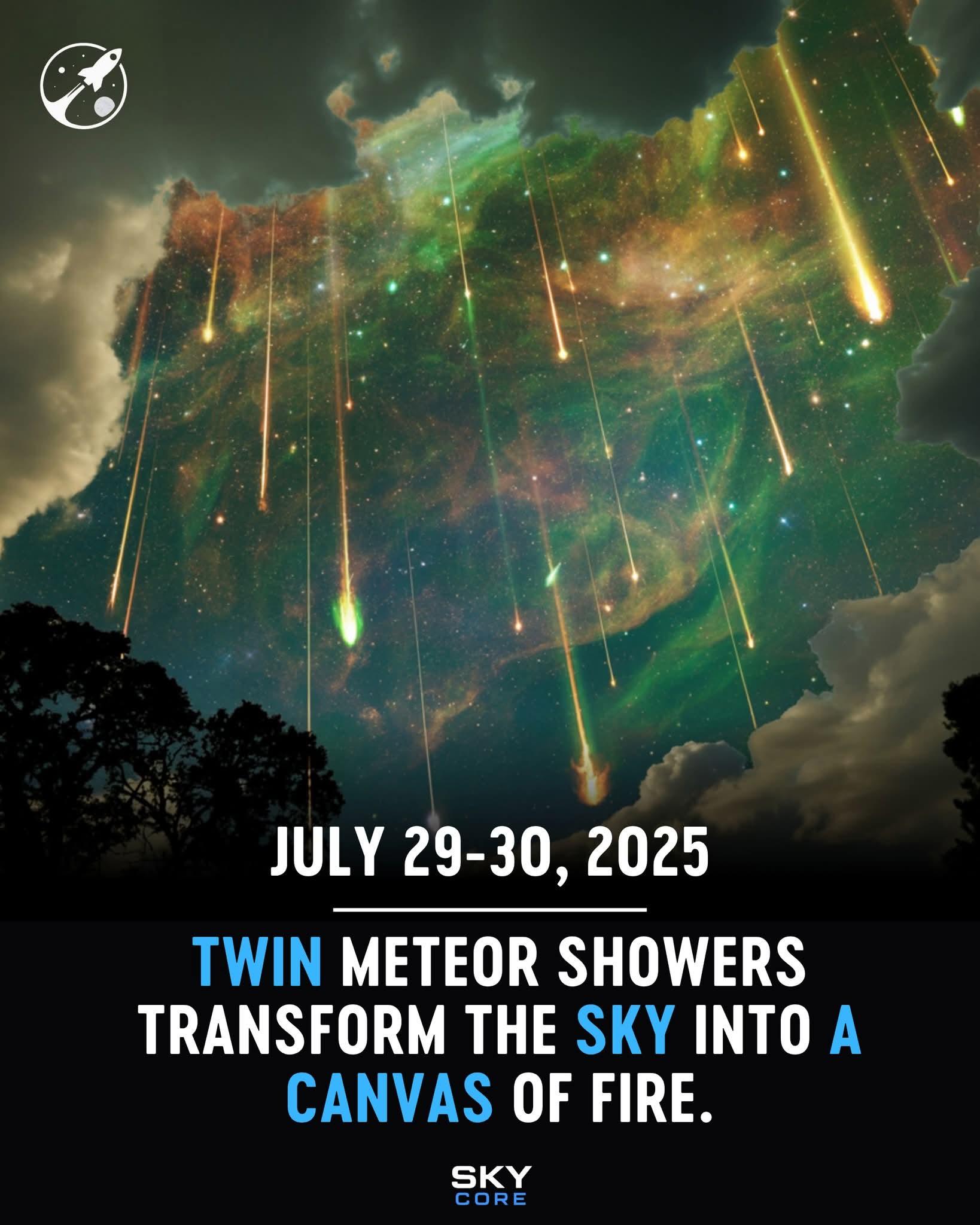
  • Double Meteor Showers Will Ignite the Night Catch the Spectacle Without a Telescope!

    Get ready for an epic celestial event as two meteor showers, the Delta Aquariids and Alpha Capricornids, peak together overnight from July 29 to July 30. For one unforgettable night, the sky will dazzle with swift, faint meteors from the Delta Aquariids originating from Comet 96P/Machholz delivering up to 25 meteors per hour, many leaving behind glowing, lingering trails.

    Alongside them, the Alpha Capricornids, tied to Comet 169P/NEAT, will provide slower-moving but brilliant fireballs that may burst and flash across the sky, painting a dramatic cosmic picture.

    This rare double feature creates a dynamic blend of speed and color as Earth passes through two ancient comet trails. The best viewing window is between 2:00 and 4:00 AM, especially in areas with dark, clear southern skies. No special equipment is required just your eyes and a bit of patience to witness interplanetary dust, some older than 10,000 years, blazing through our atmosphere at speeds up to 100,000 km/h. Don’t miss this fleeting chance to see cosmic history in action, live above you.

    Source: U.S. National Weather Service, NASA Meteor Watch
    Double Meteor Showers Will Ignite the Night Catch the Spectacle Without a Telescope! Get ready for an epic celestial event as two meteor showers, the Delta Aquariids and Alpha Capricornids, peak together overnight from July 29 to July 30. For one unforgettable night, the sky will dazzle with swift, faint meteors from the Delta Aquariids originating from Comet 96P/Machholz delivering up to 25 meteors per hour, many leaving behind glowing, lingering trails. Alongside them, the Alpha Capricornids, tied to Comet 169P/NEAT, will provide slower-moving but brilliant fireballs that may burst and flash across the sky, painting a dramatic cosmic picture. This rare double feature creates a dynamic blend of speed and color as Earth passes through two ancient comet trails. The best viewing window is between 2:00 and 4:00 AM, especially in areas with dark, clear southern skies. No special equipment is required just your eyes and a bit of patience to witness interplanetary dust, some older than 10,000 years, blazing through our atmosphere at speeds up to 100,000 km/h. Don’t miss this fleeting chance to see cosmic history in action, live above you. Source: U.S. National Weather Service, NASA Meteor Watch
    0 Commentarios 0 Acciones 278 Views
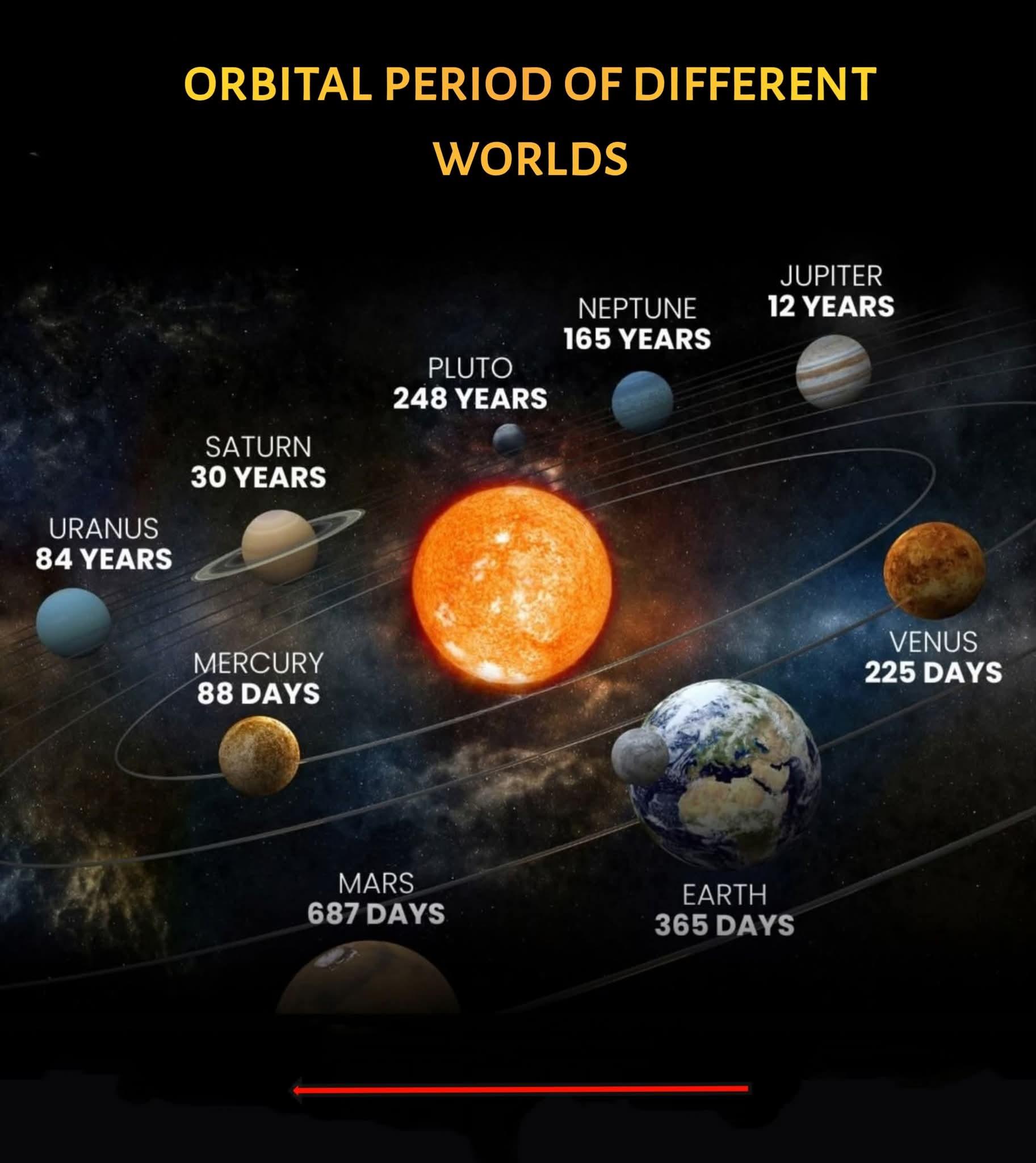
  • Every Planet’s Year: The Solar System’s Unique Rhythms of Time

    Our solar system is a grand cosmic clock, and each world keeps its own remarkable beat as it orbits the Sun. The innermost planet, Mercury, whips around the Sun in just 88 days, making its years blazingly short. Next comes Venus, whose elegant journey takes 225 days, while our own Earth completes its familiar lap in 365 days a rhythm we live by.

    As you move outward, the years grow longer. Mars takes 687 days to orbit, giving it seasons nearly twice as long as ours. The gas giants spin in slow motion by comparison: Jupiter circles the Sun every 12 years, Saturn every 30 years, Uranus every 84 years, and Neptune takes an astonishing 165 years to finish just one solar orbit. Pluto, though now classified as a dwarf planet, completes its lonely, distant trek in a staggering 248 years a reminder of the vastness of our solar system.

    Each planet’s orbital period shapes its seasons, its history, and even its potential for life. These cosmic cycles, from quick to epic, are a testament to the dance of gravity that binds our planetary family together around the Sun.

    #solarsystem #spacefacts #
    Every Planet’s Year: The Solar System’s Unique Rhythms of Time Our solar system is a grand cosmic clock, and each world keeps its own remarkable beat as it orbits the Sun. The innermost planet, Mercury, whips around the Sun in just 88 days, making its years blazingly short. Next comes Venus, whose elegant journey takes 225 days, while our own Earth completes its familiar lap in 365 days a rhythm we live by. As you move outward, the years grow longer. Mars takes 687 days to orbit, giving it seasons nearly twice as long as ours. The gas giants spin in slow motion by comparison: Jupiter circles the Sun every 12 years, Saturn every 30 years, Uranus every 84 years, and Neptune takes an astonishing 165 years to finish just one solar orbit. Pluto, though now classified as a dwarf planet, completes its lonely, distant trek in a staggering 248 years a reminder of the vastness of our solar system. Each planet’s orbital period shapes its seasons, its history, and even its potential for life. These cosmic cycles, from quick to epic, are a testament to the dance of gravity that binds our planetary family together around the Sun. #solarsystem #spacefacts #
    0 Commentarios 0 Acciones 498 Views
  • Metal flowers: Can this nickel-eating plant solve the battery crisis?
    Using plants to get metals out of the ground is known as "phytomining". Decades after it was first developed, green-thumbed entrepreneurs are trying to finally make it a business out of hyperaccumulator plants. Will they succeed?

    #PlanetA #Nickel #RareEarths
    Metal flowers: Can this nickel-eating plant solve the battery crisis? Using plants to get metals out of the ground is known as "phytomining". Decades after it was first developed, green-thumbed entrepreneurs are trying to finally make it a business out of hyperaccumulator plants. Will they succeed? #PlanetA #Nickel #RareEarths
    Love
    1
    0 Commentarios 0 Acciones 395 Views
BlackBird Ai
https://bbai.shop