


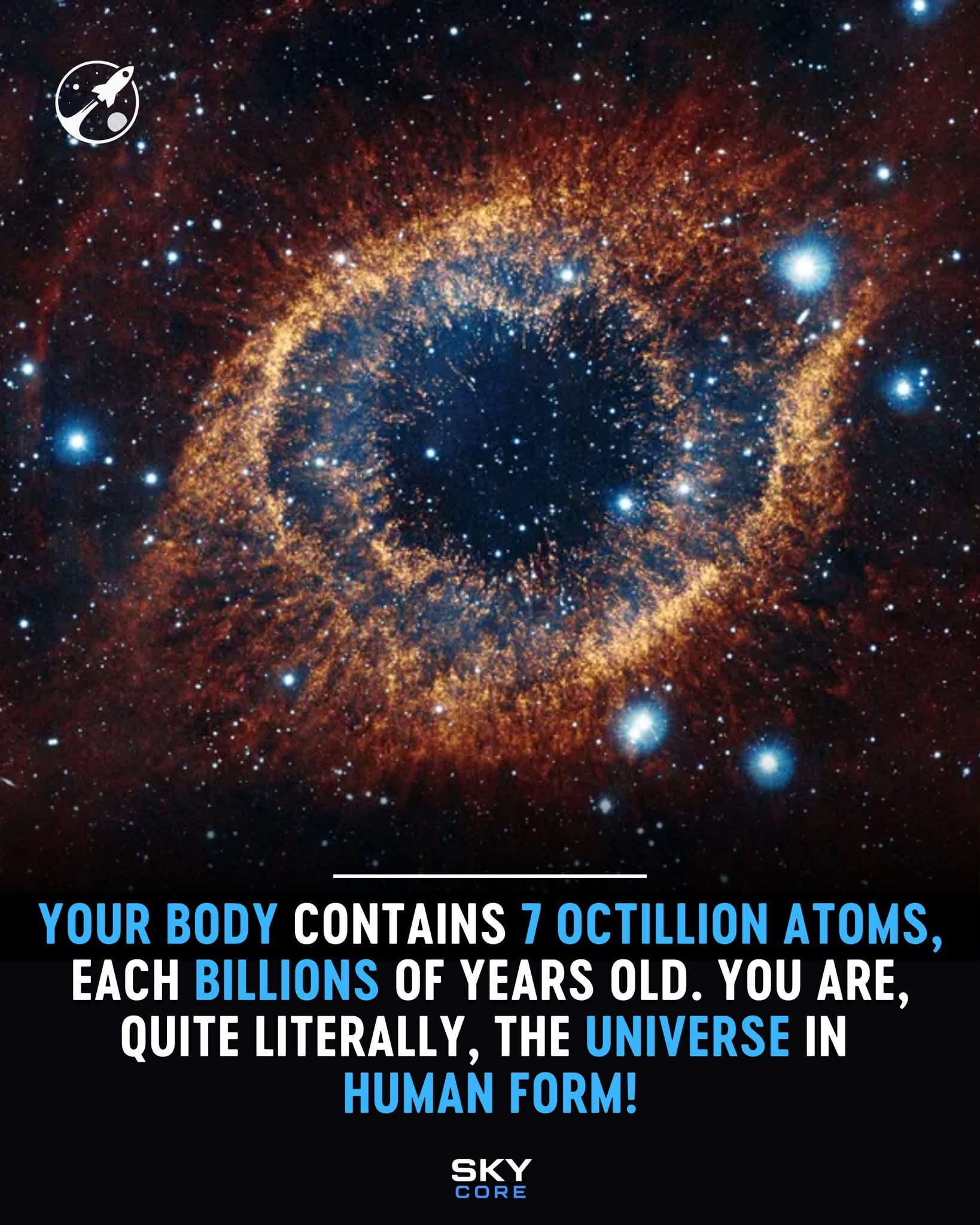
• At the deepest level, you are a cosmic miracle. Your body is made up of about 7,000,000,000,000,000,000,000,000,000,000 (7 octillion) atoms each one forged in the hearts of ancient stars and supernovae billions of years ago.

    Every atom in you carbon, oxygen, calcium, iron traveled an epic journey across the universe before coming together to make you.

    This means you’re not just in the universe you are the universe, expressing itself as a living, breathing human form. The atoms in your body have seen cosmic explosions, danced in nebulae, and helped build worlds before ever becoming a part of you. When you look at your hands, your heart, your very thoughts, you’re witnessing the universe reflecting on itself.

    It’s a humbling and awe-inspiring thought: we are star-stuff, walking and wondering, living proof that the cosmos itself is alive with possibility.

    📸 Credit: Physics and astronomy research, Carl Sagan’s “star stuff” quote, and atomic structure studies.
    At the deepest level, you are a cosmic miracle. Your body is made up of about 7,000,000,000,000,000,000,000,000,000,000 (7 octillion) atoms each one forged in the hearts of ancient stars and supernovae billions of years ago. Every atom in you carbon, oxygen, calcium, iron traveled an epic journey across the universe before coming together to make you. This means you’re not just in the universe you are the universe, expressing itself as a living, breathing human form. The atoms in your body have seen cosmic explosions, danced in nebulae, and helped build worlds before ever becoming a part of you. When you look at your hands, your heart, your very thoughts, you’re witnessing the universe reflecting on itself. It’s a humbling and awe-inspiring thought: we are star-stuff, walking and wondering, living proof that the cosmos itself is alive with possibility. 📸 Credit: Physics and astronomy research, Carl Sagan’s “star stuff” quote, and atomic structure studies.
    0 Комментарии 0 Поделились 502 Просмотры
  • The Universe Comes Into Focus: Vera Rubin Telescope Reveals Millions of Hidden Galaxies in First Images

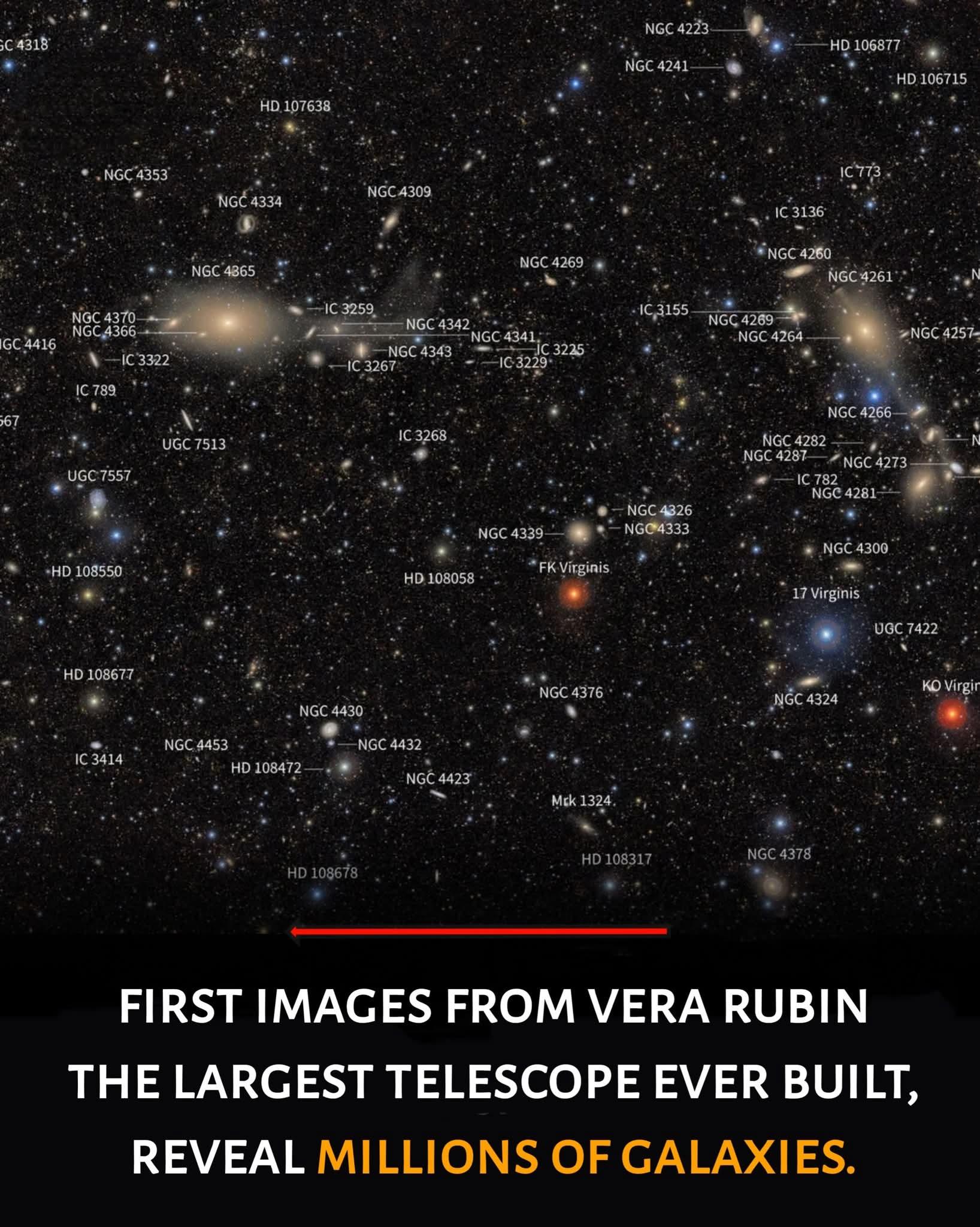
    In a breathtaking debut, the Vera C. Rubin Observatory the largest astronomical survey telescope ever constructed has delivered its first full-sky images, and they are nothing short of extraordinary. Capturing a dazzling expanse of deep space in unprecedented detail, the observatory’s initial snapshots unveiled millions of previously unseen galaxies, stretching the boundaries of what we know about the cosmos. From spiral galaxies in mid-rotation to faint, ghostly clusters glowing on the edge of visibility, the images open a new window into the large-scale structure of the universe.

    What makes the Vera Rubin Telescope unique is its 8.4-meter mirror and revolutionary 3.2-gigapixel camera the most powerful digital camera ever built for astronomy. Its mission is bold: map the southern sky every few nights for ten years, creating a dynamic, time-lapse survey of the changing night sky. With this capability, scientists expect to uncover everything from near-Earth asteroids and supernovae to signs of dark matter and the subtle movements of stars. This first image teeming with bright points of light and dramatic galactic interactions—represents only a sliver of what’s to come.

    These first observations aren’t just beautiful they’re transformative. The data will serve as a cosmic census, helping astronomers chart the universe's history and better understand the invisible forces shaping its future. The Vera Rubin Observatory stands not only as a tribute to its pioneering namesake but as a game-changer in our quest to comprehend the universe’s deepest mysteries.

    What makes the Vera Rubin Telescope unique is its 8.4-meter mirror and revolutionary 3.2-gigapixel camera—the most powerful digital camera ever built for astronomy. Its mission is bold: map the southern sky every few nights for ten years, creating a dynamic, time-lapse survey of the changing night sky. With this capability, scientists expect to uncover everything from near-Earth asteroids and supernovae to signs of dark matter and the subtle movements of stars. This first image teeming with bright points of light and dramatic galactic interactions—represents only a sliver of what’s to come.

    #RubinObservatory #verarubintelescope #spacephotography #spaceexploration
    The Universe Comes Into Focus: Vera Rubin Telescope Reveals Millions of Hidden Galaxies in First Images In a breathtaking debut, the Vera C. Rubin Observatory the largest astronomical survey telescope ever constructed has delivered its first full-sky images, and they are nothing short of extraordinary. Capturing a dazzling expanse of deep space in unprecedented detail, the observatory’s initial snapshots unveiled millions of previously unseen galaxies, stretching the boundaries of what we know about the cosmos. From spiral galaxies in mid-rotation to faint, ghostly clusters glowing on the edge of visibility, the images open a new window into the large-scale structure of the universe. What makes the Vera Rubin Telescope unique is its 8.4-meter mirror and revolutionary 3.2-gigapixel camera the most powerful digital camera ever built for astronomy. Its mission is bold: map the southern sky every few nights for ten years, creating a dynamic, time-lapse survey of the changing night sky. With this capability, scientists expect to uncover everything from near-Earth asteroids and supernovae to signs of dark matter and the subtle movements of stars. This first image teeming with bright points of light and dramatic galactic interactions—represents only a sliver of what’s to come. These first observations aren’t just beautiful they’re transformative. The data will serve as a cosmic census, helping astronomers chart the universe's history and better understand the invisible forces shaping its future. The Vera Rubin Observatory stands not only as a tribute to its pioneering namesake but as a game-changer in our quest to comprehend the universe’s deepest mysteries. What makes the Vera Rubin Telescope unique is its 8.4-meter mirror and revolutionary 3.2-gigapixel camera—the most powerful digital camera ever built for astronomy. Its mission is bold: map the southern sky every few nights for ten years, creating a dynamic, time-lapse survey of the changing night sky. With this capability, scientists expect to uncover everything from near-Earth asteroids and supernovae to signs of dark matter and the subtle movements of stars. This first image teeming with bright points of light and dramatic galactic interactions—represents only a sliver of what’s to come. #RubinObservatory #verarubintelescope #spacephotography #spaceexploration
    0 Комментарии 0 Поделились 551 Просмотры
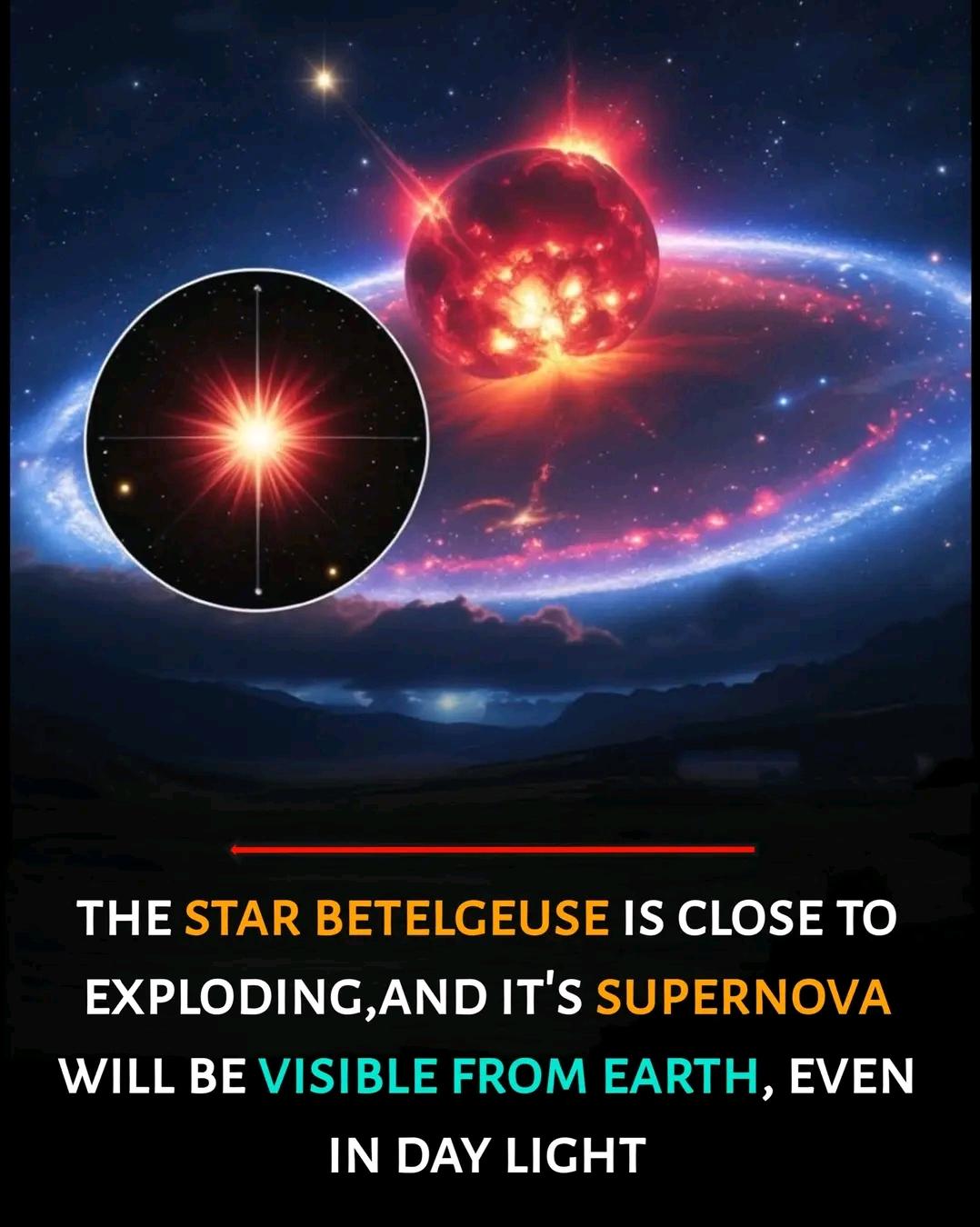
  • Betelgeuse Star ⭐

    #spaceexploration #supernova #spacescience #spacescience
    Betelgeuse Star ⭐ #spaceexploration #supernova #spacescience #spacescience
    0 Комментарии 0 Поделились 385 Просмотры
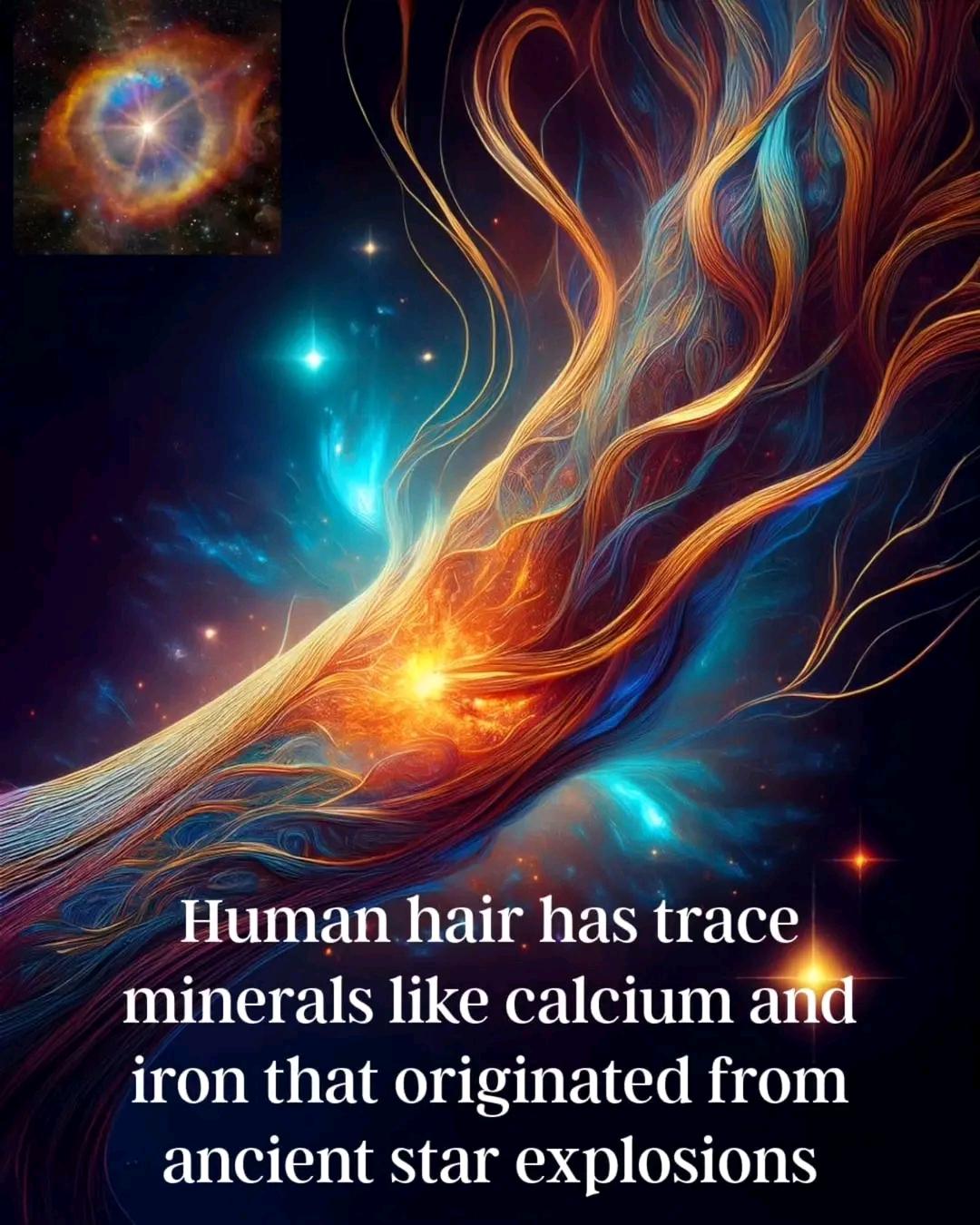
  • Human hair contains trace minerals like calcium, iron, magnesium, and zinc, which are essential for its growth and structure. These minerals, present in minute quantities, originate from a cosmic process tied to ancient star explosions, known as supernovae.

    Stars, during their lifecycle, fuse lighter elements like hydrogen and helium into heavier ones, including carbon, oxygen, and the aforementioned minerals. When massive stars exhaust their fuel, they collapse and explode in a supernova, dispersing these elements into space.

    Over billions of years, these ejected materials mix with interstellar gas and dust, forming new stars and planets. Our solar system, including Earth, formed from such enriched cosmic clouds about 4.6 billion years ago. The minerals in Earth’s crust, water, and living organisms—including humans—trace back to these stellar events.

    Calcium strengthens hair’s keratin structure, while iron supports follicle health. These elements enter our bodies through food and water, ultimately incorporating into hair.

    Thus, the trace minerals in every strand connect us to the universe’s ancient history, reflecting the remnants of stars that exploded long before our planet existed, a testament to our cosmic origins.
    Human hair contains trace minerals like calcium, iron, magnesium, and zinc, which are essential for its growth and structure. These minerals, present in minute quantities, originate from a cosmic process tied to ancient star explosions, known as supernovae. Stars, during their lifecycle, fuse lighter elements like hydrogen and helium into heavier ones, including carbon, oxygen, and the aforementioned minerals. When massive stars exhaust their fuel, they collapse and explode in a supernova, dispersing these elements into space. Over billions of years, these ejected materials mix with interstellar gas and dust, forming new stars and planets. Our solar system, including Earth, formed from such enriched cosmic clouds about 4.6 billion years ago. The minerals in Earth’s crust, water, and living organisms—including humans—trace back to these stellar events. Calcium strengthens hair’s keratin structure, while iron supports follicle health. These elements enter our bodies through food and water, ultimately incorporating into hair. Thus, the trace minerals in every strand connect us to the universe’s ancient history, reflecting the remnants of stars that exploded long before our planet existed, a testament to our cosmic origins.
    0 Комментарии 0 Поделились 400 Просмотры
BlackBird Ai
https://bbai.shop