


• Note for exam:

    inspection=Bureau of Food Safety and Community Sanitation

    Assessed during Inspections:
    Improper time and temperature controls
    Improper cooling
    Poor personal hygiene
    Employee illness
    Bare hand contact with ready-to-eat foods
    Rodent and other vermin activity
    Inadequate equipment and facilities

    Inspection zone:
    Receiving
    Storage
    Preparation
    Cooking
    Hot-holding
    Cooling
    Reheating
    Service

    hazardous temperature (41°F - 140°F)

    * Grade A . 0 to 13 points for sanitary violations.

    * Grade B . 14 to 27 points for sanitary violations.

    * Grade C . 28 or more points for sanitary violations.

    "potentially hazardous" food
    raw or cooked animal products such as meats, poultry, fish, shellfish (mollusks as well as crustaceans), milk and milk products (cheese, butter milk, heavy cream etc.,),plant protein such as tofu, and starches such as cooked rice, cooked pasta, cooked beans and cooked vegetables like potatoes, cut melons, cut leafy greens, cut tomatoes or mixtures of cut tomatoes, as well a sraw seed sprouts and garlic in oil
    Exceptions: water activity (.85 or less) / pH of 4.6 or below

    United States Department of Agriculture (USDA) inspection stamp in food/meat
    Fresh beef must be received at 41°F or below, and frozen beef at 0°F or below

    all smoked fish must be stored at 38°F or below (Clostridium botulinum)
    The shellfish tag is required to be kept with the product, and kept for another 90 days after it is used up, in order of delivery.The virus hepatitis A is associated with shellfish.
    Eggs temperature of 45°F (Salmonella enteritidis)

    Milk and Dairy Products 41°F or below
    The poison ciguatoxin, which is not destroyed by cooking, is found in certain fish and causes the food-borne illness ciguatera.

    Scombroid poisoning is another food-borne illness caused by eating marine fish.. Cooking does not destroy histamine; all fish must be gutted and refrigerated soon after being caught.\

    Eight Most Common Allergens:Fish
    Peanuts
    Wheat
    Soy
    Tree Nuts
    Eggs
    Milk
    Shell Fish {Food Problems Will Send The EMS}
    Additives that Trigger Allergies:Nitrites - added in meats for redness
    Sulfites - added to dried and preserved fruits and vegetables for freshness
    MSG – added to enhance the flavor of food
    The presence of the following in the food constitutes a chemical hazard:
    7. Ciguatoxin
    A. True
    8. Prescription medicines
    A. True
    9. Roach spray

    12. Hair dye true

    Food contaminated with pathogenic bacteria has no change in taste, smell or appearance, and is difficult to identify.
    undesirable bacteria, which cause decomposition of food
    Benign bacteria are neither helpful nor harmful to humans.

    pH value of 4.6 or less

    Psychrophilic bacteria thrive in the cold and grow at temperatures below 50°F.

    Mesophilic bacteria grow best at temperatures between 50°F - 110°F. This is the group of greatest concern.

    Thermophilic bacteria thrive in heat and grow best at temperatures between 110°F - 150°F and more.
    One of the ways to control this illness is to freeze fish at minus 31 °F for 15 hours.
    food-borne parasite found in under-cooked pork is:Trichinella spiralis

    FOOD-BORNE INFECTION> contains microorganism
    FOOD-BORNE INTOXICATION> toxin by microorganism

    Food that is not later reheated to 165°F before serving.
    poultry 165°F for 15 seconds
    Pork 150°F for 15 seconds
    shell eggs 145°F for 15 seconds
    Ground meat 158°F for 15 seconds
    Meat, fish and other potentially hazardous foods not listed above are required to be cooked to 140°F for 15 seconds.
    Potentially hazardous foods that have been allowed to cool over an extended period of time- more than 2 hours when cooling from 140°F to 70°F, and more than 4 hours when cooling from 70°F to 41°F or below, are considered contaminated and must be discarded.

    A cooling device capable of rapidly cooling potentially hazardous foods from 140°F to 41°F within 4 hours is recommended.
    Wash energetically in first compartment with warm water at 110°F - 120— F using a good dish detergent and brush. Dish detergent does not sanitize utensils.


    The hot water supply should be sufficient to satisfy the continuous and peak hot water demands of the establishment. Hot water for hand washing should not exceed 115°F.
    Hot water for mechanical dishwashing should be 140°F - 165°F for washing and 180°F for sanitizing. The water temperature for manual hot water sanitization should be at least 170°F.


    Note for exam: inspection=Bureau of Food Safety and Community Sanitation Assessed during Inspections: Improper time and temperature controls Improper cooling Poor personal hygiene Employee illness Bare hand contact with ready-to-eat foods Rodent and other vermin activity Inadequate equipment and facilities Inspection zone: Receiving Storage Preparation Cooking Hot-holding Cooling Reheating Service hazardous temperature (41°F - 140°F) * Grade A . 0 to 13 points for sanitary violations. * Grade B . 14 to 27 points for sanitary violations. * Grade C . 28 or more points for sanitary violations. "potentially hazardous" food raw or cooked animal products such as meats, poultry, fish, shellfish (mollusks as well as crustaceans), milk and milk products (cheese, butter milk, heavy cream etc.,),plant protein such as tofu, and starches such as cooked rice, cooked pasta, cooked beans and cooked vegetables like potatoes, cut melons, cut leafy greens, cut tomatoes or mixtures of cut tomatoes, as well a sraw seed sprouts and garlic in oil Exceptions: water activity (.85 or less) / pH of 4.6 or below United States Department of Agriculture (USDA) inspection stamp in food/meat Fresh beef must be received at 41°F or below, and frozen beef at 0°F or below all smoked fish must be stored at 38°F or below (Clostridium botulinum) The shellfish tag is required to be kept with the product, and kept for another 90 days after it is used up, in order of delivery.The virus hepatitis A is associated with shellfish. Eggs temperature of 45°F (Salmonella enteritidis) Milk and Dairy Products 41°F or below The poison ciguatoxin, which is not destroyed by cooking, is found in certain fish and causes the food-borne illness ciguatera. Scombroid poisoning is another food-borne illness caused by eating marine fish.. Cooking does not destroy histamine; all fish must be gutted and refrigerated soon after being caught.\ Eight Most Common Allergens:Fish Peanuts Wheat Soy Tree Nuts Eggs Milk Shell Fish {Food Problems Will Send The EMS} Additives that Trigger Allergies:Nitrites - added in meats for redness Sulfites - added to dried and preserved fruits and vegetables for freshness MSG – added to enhance the flavor of food The presence of the following in the food constitutes a chemical hazard: 7. Ciguatoxin A. True 8. Prescription medicines A. True 9. Roach spray 12. Hair dye true Food contaminated with pathogenic bacteria has no change in taste, smell or appearance, and is difficult to identify. undesirable bacteria, which cause decomposition of food Benign bacteria are neither helpful nor harmful to humans. pH value of 4.6 or less Psychrophilic bacteria thrive in the cold and grow at temperatures below 50°F. Mesophilic bacteria grow best at temperatures between 50°F - 110°F. This is the group of greatest concern. Thermophilic bacteria thrive in heat and grow best at temperatures between 110°F - 150°F and more. One of the ways to control this illness is to freeze fish at minus 31 °F for 15 hours. food-borne parasite found in under-cooked pork is:Trichinella spiralis FOOD-BORNE INFECTION> contains microorganism FOOD-BORNE INTOXICATION> toxin by microorganism Food that is not later reheated to 165°F before serving. poultry 165°F for 15 seconds Pork 150°F for 15 seconds shell eggs 145°F for 15 seconds Ground meat 158°F for 15 seconds Meat, fish and other potentially hazardous foods not listed above are required to be cooked to 140°F for 15 seconds. Potentially hazardous foods that have been allowed to cool over an extended period of time- more than 2 hours when cooling from 140°F to 70°F, and more than 4 hours when cooling from 70°F to 41°F or below, are considered contaminated and must be discarded. A cooling device capable of rapidly cooling potentially hazardous foods from 140°F to 41°F within 4 hours is recommended. Wash energetically in first compartment with warm water at 110°F - 120— F using a good dish detergent and brush. Dish detergent does not sanitize utensils. The hot water supply should be sufficient to satisfy the continuous and peak hot water demands of the establishment. Hot water for hand washing should not exceed 115°F. Hot water for mechanical dishwashing should be 140°F - 165°F for washing and 180°F for sanitizing. The water temperature for manual hot water sanitization should be at least 170°F.
    0 Commentarios 0 Acciones 1K Views
  • Once a shimmering landscape of white stone beds -- Bholaganj Sada Pathor, a popular tourist spot in Sylhet’s Companiganj upazila -- now lies stripped and desolate. Over the past year, illegal stone extractors have been plundering valuable mineral resources from the Dhalai river, as authorities looked the other way. The photo was taken yesterday
    Once a shimmering landscape of white stone beds -- Bholaganj Sada Pathor, a popular tourist spot in Sylhet’s Companiganj upazila -- now lies stripped and desolate. Over the past year, illegal stone extractors have been plundering valuable mineral resources from the Dhalai river, as authorities looked the other way. The photo was taken yesterday
    0 Commentarios 0 Acciones 284 Views
  • What if the key to killing cancer has been growing in your backyard all along? A simple dandelion root is now showing the power to destroy cancer cells fast.
    A weed to most, a wonder to science.
    In a discovery that’s turning heads in the medical world, Canadian researchers have found that dandelion root extract can kill up to 95% of leukemia and colon cancer cells within just 48 hours all while leaving healthy cells untouched.
    The secret lies in how it works. Dandelion root doesn’t attack cells randomly. Instead, it triggers apoptosis, a natural process of programmed cell death in cancer cells. This means it selectively targets only the bad cells, unlike chemotherapy, which often harms both healthy and cancerous cells alike—causing brutal side effects.
    The extract has shown such promising results in laboratory and early clinical settings that it’s now undergoing more extensive human trials. While it’s not a replacement for modern treatments yet, it offers a glimpse of a future where nature-based therapies could provide powerful, low-toxicity options alongside or even instead of traditional cancer treatments.
    Researchers are urging caution—more studies are needed—but the signs are strong. The dandelion, often dismissed as a garden pest, could become a natural cancer fighter with enormous global health potential.
    This isn’t the first time nature has amazed us with its hidden pharmacy. But it’s a powerful reminder: some of Earth’s greatest cures may be hiding in plain sight—beneath our feet, on roadsides, or in wildflower fields.
    If this research continues to hold up, dandelions might soon move from lawn nuisance to life-saving medicine.
    #DandelionRoot #CancerResearch #NaturalMedicine #HealingWithNature #Apoptosis
    What if the key to killing cancer has been growing in your backyard all along? A simple dandelion root is now showing the power to destroy cancer cells fast. A weed to most, a wonder to science. In a discovery that’s turning heads in the medical world, Canadian researchers have found that dandelion root extract can kill up to 95% of leukemia and colon cancer cells within just 48 hours all while leaving healthy cells untouched. The secret lies in how it works. Dandelion root doesn’t attack cells randomly. Instead, it triggers apoptosis, a natural process of programmed cell death in cancer cells. This means it selectively targets only the bad cells, unlike chemotherapy, which often harms both healthy and cancerous cells alike—causing brutal side effects. The extract has shown such promising results in laboratory and early clinical settings that it’s now undergoing more extensive human trials. While it’s not a replacement for modern treatments yet, it offers a glimpse of a future where nature-based therapies could provide powerful, low-toxicity options alongside or even instead of traditional cancer treatments. Researchers are urging caution—more studies are needed—but the signs are strong. The dandelion, often dismissed as a garden pest, could become a natural cancer fighter with enormous global health potential. This isn’t the first time nature has amazed us with its hidden pharmacy. But it’s a powerful reminder: some of Earth’s greatest cures may be hiding in plain sight—beneath our feet, on roadsides, or in wildflower fields. If this research continues to hold up, dandelions might soon move from lawn nuisance to life-saving medicine. #DandelionRoot #CancerResearch #NaturalMedicine #HealingWithNature #Apoptosis
    0 Commentarios 0 Acciones 785 Views
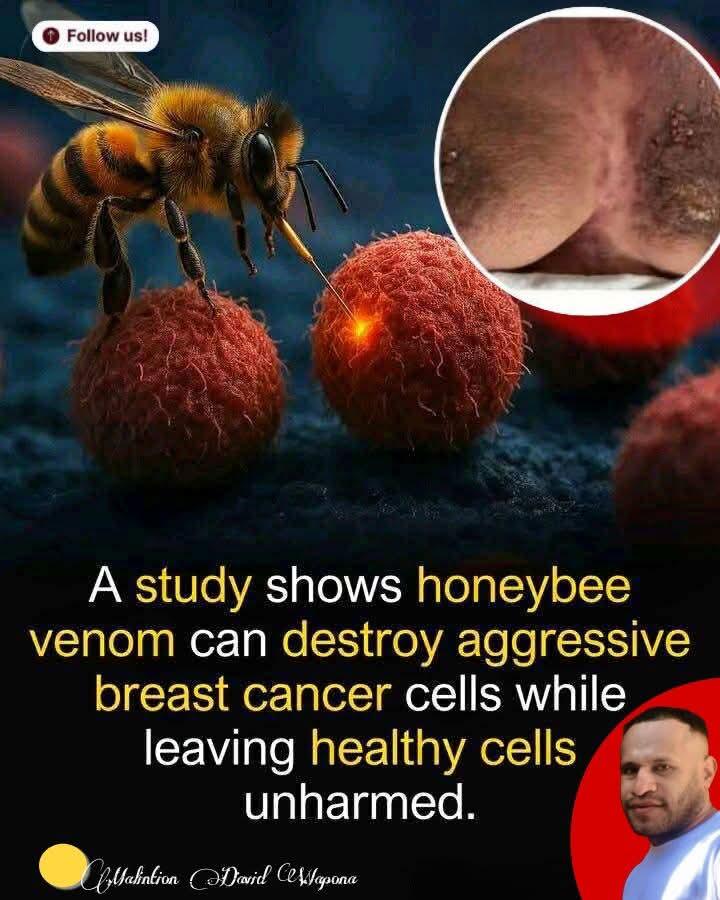
  • 🐝 BREAKTHROUGH IN SCIENCE!
    Researchers have found that honeybee venom, specifically a compound called melittin, can rapidly destroy some of the most aggressive types of breast cancer cells, including triple-negative and HER2-enriched cancers — all within just 60 minutes in lab tests!

    The venom works by punching holes in the cancer cell membranes and disrupting their internal signals, effectively stopping them from growing and spreading. What's even more promising? Melittin didn't harm healthy cells, showing incredible potential for targeted treatment.

    This breakthrough could pave the way for new, natural-based therapies against cancers that are currently difficult to treat with traditional methods.

    Fun Fact: Scientists used venom from over 300 honeybees in controlled environments to conduct this research, and the results have amazed the medical community.

    Follow Malintion David Wapona, for more updates.
    🐝 BREAKTHROUGH IN SCIENCE! Researchers have found that honeybee venom, specifically a compound called melittin, can rapidly destroy some of the most aggressive types of breast cancer cells, including triple-negative and HER2-enriched cancers — all within just 60 minutes in lab tests! The venom works by punching holes in the cancer cell membranes and disrupting their internal signals, effectively stopping them from growing and spreading. What's even more promising? Melittin didn't harm healthy cells, showing incredible potential for targeted treatment. This breakthrough could pave the way for new, natural-based therapies against cancers that are currently difficult to treat with traditional methods. Fun Fact: Scientists used venom from over 300 honeybees in controlled environments to conduct this research, and the results have amazed the medical community. Follow Malintion David Wapona, for more updates.
    0 Commentarios 0 Acciones 598 Views
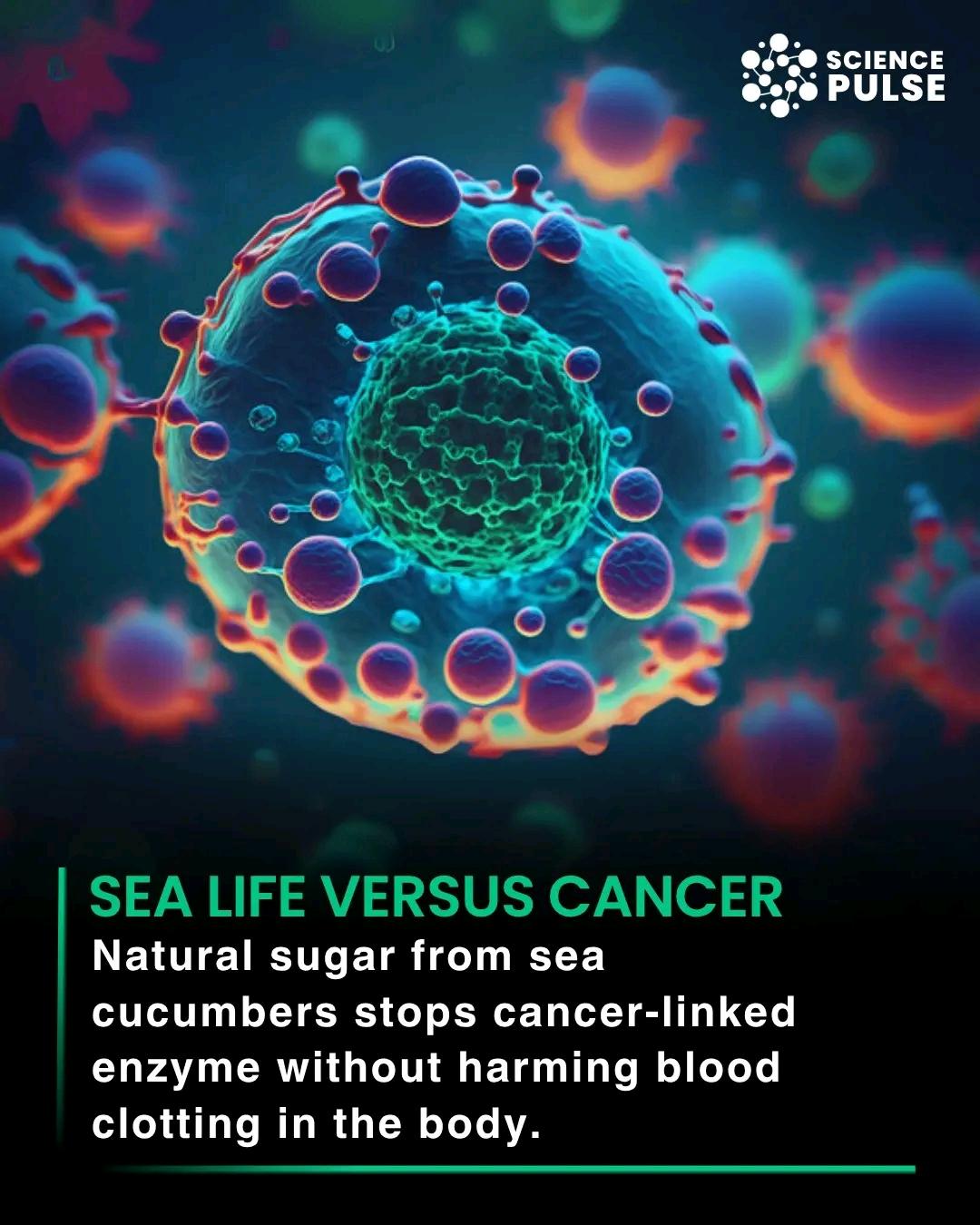
  • A surprising discovery from the ocean could reshape the future of cancer treatment. Scientists have found that a sugary molecule from sea cucumbers, called fucosylated chondroitin sulfate (HfFucCS), may become a powerful and safer way to stop cancer from growing and spreading.

    Researchers at the University of Mississippi revealed that this natural compound blocks Sulf-2, an enzyme that alters cell surface sugars called glycans. These changes help cancer cells grow and spread. By stopping Sulf-2, HfFucCS cuts off a key tool cancer uses to gain control, all without affecting blood clotting, a dangerous side effect seen in similar treatments.

    Unlike many anti-cancer agents, HfFucCS does not thin the blood, making it a safer option for future therapies. This is a major breakthrough because Sulf-2 inhibitors have long shown potential but carried high bleeding risks.

    Sea cucumbers have been used in traditional Asian medicine for centuries, and now modern science is confirming their hidden potential. Past studies also linked sea cucumber compounds to benefits like delaying diabetes.

    The next step is figuring out how to produce this compound at scale without harming marine ecosystems. If successful, clinical testing in animals and eventually humans could follow.

    This could be a game-changer in the fight against cancer.
    A surprising discovery from the ocean could reshape the future of cancer treatment. Scientists have found that a sugary molecule from sea cucumbers, called fucosylated chondroitin sulfate (HfFucCS), may become a powerful and safer way to stop cancer from growing and spreading. Researchers at the University of Mississippi revealed that this natural compound blocks Sulf-2, an enzyme that alters cell surface sugars called glycans. These changes help cancer cells grow and spread. By stopping Sulf-2, HfFucCS cuts off a key tool cancer uses to gain control, all without affecting blood clotting, a dangerous side effect seen in similar treatments. Unlike many anti-cancer agents, HfFucCS does not thin the blood, making it a safer option for future therapies. This is a major breakthrough because Sulf-2 inhibitors have long shown potential but carried high bleeding risks. Sea cucumbers have been used in traditional Asian medicine for centuries, and now modern science is confirming their hidden potential. Past studies also linked sea cucumber compounds to benefits like delaying diabetes. The next step is figuring out how to produce this compound at scale without harming marine ecosystems. If successful, clinical testing in animals and eventually humans could follow. This could be a game-changer in the fight against cancer.
    0 Commentarios 0 Acciones 666 Views
  • BREAKING 🚨 : Scientists capture the sharpest image of atoms ever recorded!
    Zoomed in 100 million times, this record-breaking view shows individual atoms in stunning detail so sharp, you can even see them jiggling from heat!

    Using a revolutionary method called ptychography, researchers mapped the atomic structure of a crystal (PrScO3) with incredible precision. Praseodymium atoms shine in pairs, scandium appears as bright single dots, and oxygen glows faint red - all arranged in a flawless atomic lattice. This isn't just science fiction it's a real leap for nanotech, materials design, and quantum computing.
    As the lead physicist put it: "We've been wearing blurry glasses - now we see the atomic world clearly."
    BREAKING 🚨 : Scientists capture the sharpest image of atoms ever recorded! Zoomed in 100 million times, this record-breaking view shows individual atoms in stunning detail so sharp, you can even see them jiggling from heat! Using a revolutionary method called ptychography, researchers mapped the atomic structure of a crystal (PrScO3) with incredible precision. Praseodymium atoms shine in pairs, scandium appears as bright single dots, and oxygen glows faint red - all arranged in a flawless atomic lattice. This isn't just science fiction it's a real leap for nanotech, materials design, and quantum computing. As the lead physicist put it: "We've been wearing blurry glasses - now we see the atomic world clearly."
    0 Commentarios 0 Acciones 377 Views
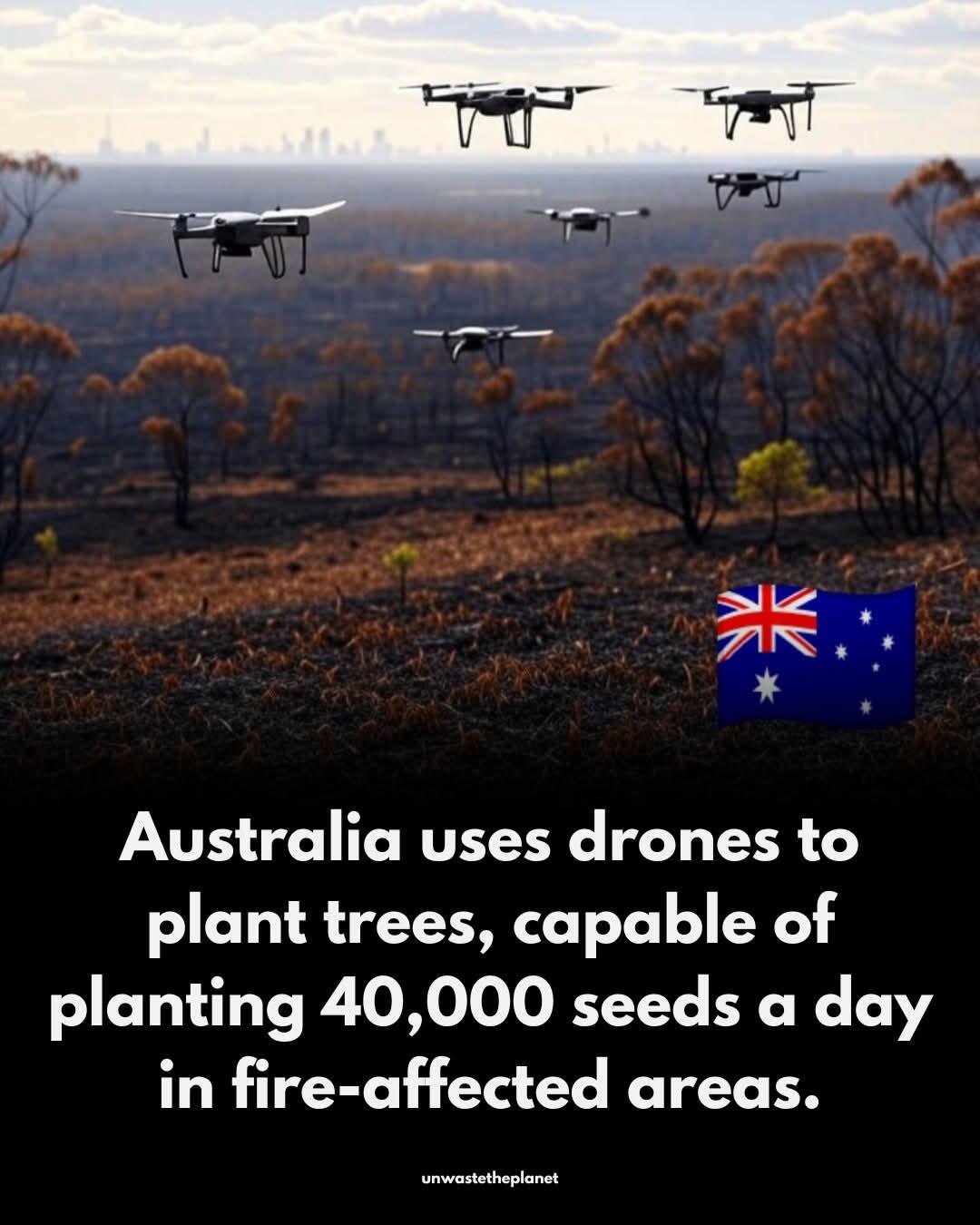
  • Australia is now deploying drones to plant trees—particularly in regions devastated by bushfires—with each drone capable of planting up to 40,000 seeds per day. This technology-driven method is restoring large, damaged ecosystems at a scale and speed that traditional tree-planting methods cannot match, a crucial advantage as climate change continues to intensify the frequency and severity of wildfires.

    The innovation lies in aerial drones equipped with biodegradable seed pods that contain native tree seeds, essential nutrients, and protective coatings to boost germination and survival rates. Guided by GPS and powered by AI, the drones identify optimal planting sites, navigate difficult terrain, and drop the pods with pinpoint accuracy—eliminating the need for manual labor in hazardous or inaccessible areas.

    Traditionally, reforestation has been a slow, labor-intensive process, relying on human workers to plant saplings one by one. Now, with drone-based planting, Australia is pioneering a scalable, high-tech reforestation model that accelerates forest recovery, increases carbon capture, and helps restore critical wildlife habitats. It’s a compelling example of how technology and nature can work together to address environmental destruction in the modern era.

    Sources:
    AirSeed Technologies, “Drone Reforestation Projects in Australia,” 2023.
    The Guardian, “Australian Drones Plant Trees to Fight Climate Change and Restore Forests,” 2023.
    BBC News, “Tree-Planting Drones Aim to Restore Burned Landscapes,” 2023.
    Australia is now deploying drones to plant trees—particularly in regions devastated by bushfires—with each drone capable of planting up to 40,000 seeds per day. This technology-driven method is restoring large, damaged ecosystems at a scale and speed that traditional tree-planting methods cannot match, a crucial advantage as climate change continues to intensify the frequency and severity of wildfires. The innovation lies in aerial drones equipped with biodegradable seed pods that contain native tree seeds, essential nutrients, and protective coatings to boost germination and survival rates. Guided by GPS and powered by AI, the drones identify optimal planting sites, navigate difficult terrain, and drop the pods with pinpoint accuracy—eliminating the need for manual labor in hazardous or inaccessible areas. Traditionally, reforestation has been a slow, labor-intensive process, relying on human workers to plant saplings one by one. Now, with drone-based planting, Australia is pioneering a scalable, high-tech reforestation model that accelerates forest recovery, increases carbon capture, and helps restore critical wildlife habitats. It’s a compelling example of how technology and nature can work together to address environmental destruction in the modern era. Sources: AirSeed Technologies, “Drone Reforestation Projects in Australia,” 2023. The Guardian, “Australian Drones Plant Trees to Fight Climate Change and Restore Forests,” 2023. BBC News, “Tree-Planting Drones Aim to Restore Burned Landscapes,” 2023.
    0 Commentarios 0 Acciones 654 Views
  • This afternoon, my wife's brother-in-law, Major Misbah Javed , and 2nd sister, Safina apu, were involved in a very serious accident in Cumilla. Misbah vai has been admitted to CMH Cumilla, and Safina apu has been transferred to CMH Dhaka for advanced treatment due to the severity of her injuries.
    All day long, my brother-in-law and I were debating politics. We would tease each other relentlessly, just like Tom and Jerry, and this playful banter continued even this morning. We never could have imagined such a terrible accident was just around the corner.
    Anyone who knows Safina apu and Misbah vai personally knows how incredibly helpful and pure-hearted they are. Even though my brother-in-law and I bickered about politics all day, their genuine affection for each other is truly remarkable. After my own brothers, I consider him like an older brother to me.
    Please keep them both in your prayers. May Allah bring them back to their family safely and in good health.
    This afternoon, my wife's brother-in-law, Major Misbah Javed , and 2nd sister, Safina apu, were involved in a very serious accident in Cumilla. Misbah vai has been admitted to CMH Cumilla, and Safina apu has been transferred to CMH Dhaka for advanced treatment due to the severity of her injuries. All day long, my brother-in-law and I were debating politics. We would tease each other relentlessly, just like Tom and Jerry, and this playful banter continued even this morning. We never could have imagined such a terrible accident was just around the corner. Anyone who knows Safina apu and Misbah vai personally knows how incredibly helpful and pure-hearted they are. Even though my brother-in-law and I bickered about politics all day, their genuine affection for each other is truly remarkable. After my own brothers, I consider him like an older brother to me. Please keep them both in your prayers. May Allah bring them back to their family safely and in good health.
    0 Commentarios 0 Acciones 221 Views
  • The world’s first fully solar-powered train isn’t a concept from a sci-fi movie—it's been a reality since 2017 in the beautiful coastal town of Byron Bay, Australia. A non-profit company took a vintage 1949 diesel train, once left for scrap, and gave it a new life by converting it to run entirely on sunshine. With solar panels on its roof and a battery bank, this train zips along a scenic 3-kilometer track, offering a silent, zero-emission journey.
    ​What’s even more amazing is how efficiently it operates. The train uses only a fraction of the power its solar panels generate, with the excess energy being fed back into the local power grid to benefit the entire community. It even has a regenerative braking system, which captures energy every time it slows down and puts it back into the batteries. The Byron Bay Train is a perfect example of how a blend of history, innovative engineering, and a commitment to sustainability can create a cleaner, greener future for transportation.
    ​#ByronBayTrain
    #SolarPower
    #SustainableTravel
    #GreenTechnology
    #RenewableEnergy
    The world’s first fully solar-powered train isn’t a concept from a sci-fi movie—it's been a reality since 2017 in the beautiful coastal town of Byron Bay, Australia. A non-profit company took a vintage 1949 diesel train, once left for scrap, and gave it a new life by converting it to run entirely on sunshine. With solar panels on its roof and a battery bank, this train zips along a scenic 3-kilometer track, offering a silent, zero-emission journey. ​What’s even more amazing is how efficiently it operates. The train uses only a fraction of the power its solar panels generate, with the excess energy being fed back into the local power grid to benefit the entire community. It even has a regenerative braking system, which captures energy every time it slows down and puts it back into the batteries. The Byron Bay Train is a perfect example of how a blend of history, innovative engineering, and a commitment to sustainability can create a cleaner, greener future for transportation. ​#ByronBayTrain #SolarPower #SustainableTravel #GreenTechnology #RenewableEnergy
    0 Commentarios 0 Acciones 561 Views
  • Natok Credits :
    Drama : Shongshoy (সংশয়)
    Story : Nazim Ud Doula
    Starring : Tanjin Tisha, Samonty Shoumi, Manoj Pramanik, Khandakar Lenin, Shahed Ali, Tiger Robi, Nasir Uddin Khan, Priyontee Urbee and many more.
    Natok Credits : Drama : Shongshoy (সংশয়) Story : Nazim Ud Doula Starring : Tanjin Tisha, Samonty Shoumi, Manoj Pramanik, Khandakar Lenin, Shahed Ali, Tiger Robi, Nasir Uddin Khan, Priyontee Urbee and many more.
    0 Commentarios 0 Acciones 156 Views
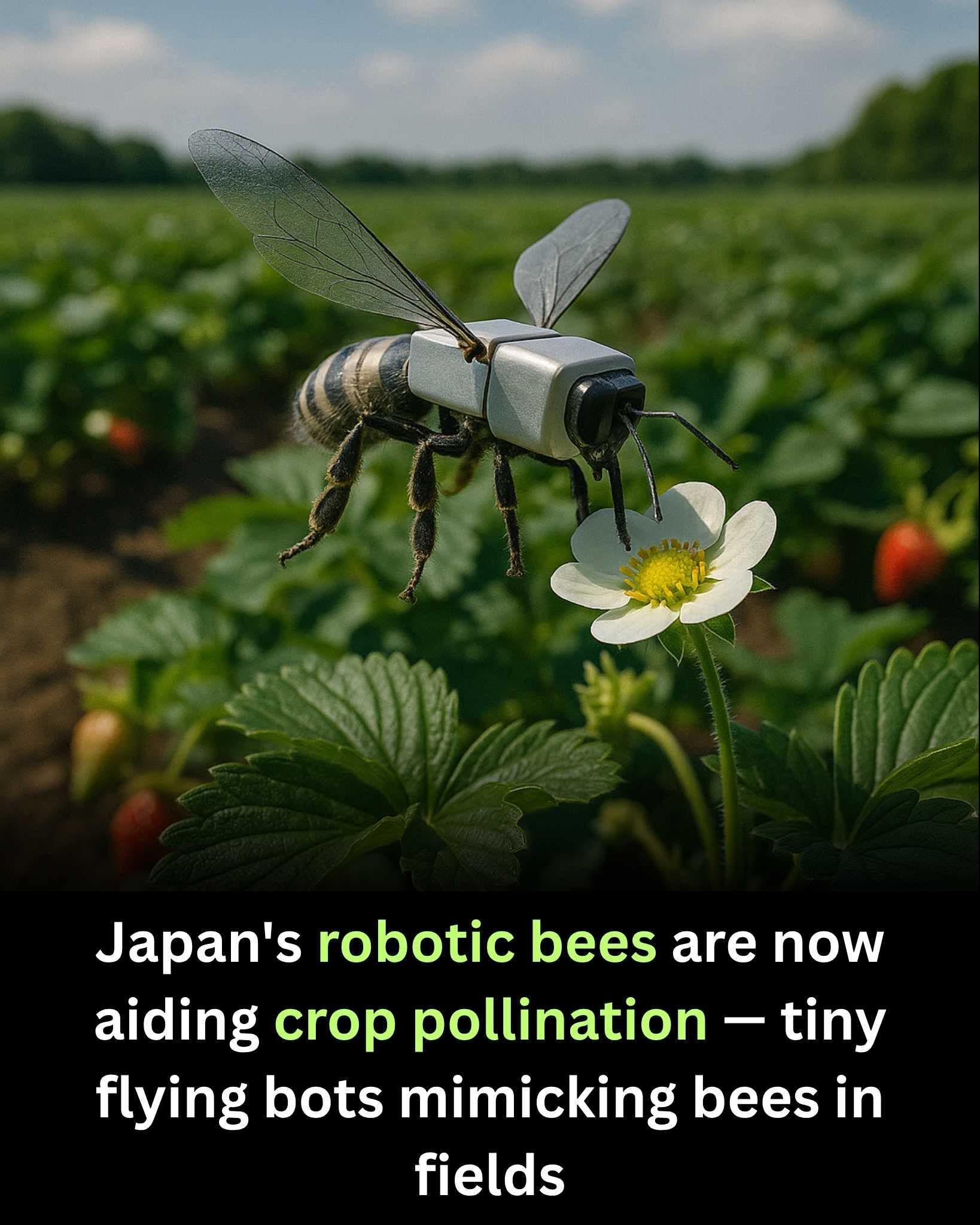
  • Japan has developed robotic bees to help with crop pollination, addressing the global decline in bee populations. These tiny flying bots, equipped with cameras, sensors, and soft horsehair coated in a sticky gel, mimic the natural pollination process of real bees. Guided by AI, they can identify flowers, collect pollen, and transfer it efficiently between plants.

    The robotic bees are being tested in greenhouses and open fields, ensuring crops like fruits and vegetables receive proper pollination even when natural bee numbers are low. Their lightweight design allows them to hover and navigate complex floral patterns without damaging delicate plants.

    This innovation could safeguard global food production, especially in regions facing severe pollinator shortages. By blending robotics with nature’s design, Japan is offering a futuristic yet practical solution to one of agriculture’s biggest challenges.

    #AgriTech #BeeBots #FutureFarming
    Japan has developed robotic bees to help with crop pollination, addressing the global decline in bee populations. These tiny flying bots, equipped with cameras, sensors, and soft horsehair coated in a sticky gel, mimic the natural pollination process of real bees. Guided by AI, they can identify flowers, collect pollen, and transfer it efficiently between plants. The robotic bees are being tested in greenhouses and open fields, ensuring crops like fruits and vegetables receive proper pollination even when natural bee numbers are low. Their lightweight design allows them to hover and navigate complex floral patterns without damaging delicate plants. This innovation could safeguard global food production, especially in regions facing severe pollinator shortages. By blending robotics with nature’s design, Japan is offering a futuristic yet practical solution to one of agriculture’s biggest challenges. #AgriTech #BeeBots #FutureFarming
    0 Commentarios 0 Acciones 560 Views
  • 😲🌊🩷 Located about 38 km north of Dakar, the stunning Pink Lake of Senegal, known as Lac Retba, is famous for its distinctive pink hue and extremely high salinity, exceeding 40%, which allows swimmers to float effortlessly, much like in the Dead Sea. This natural phenomenon is caused by bacteria that tint the water when exposed to sunlight.

    Since the 1970s, the lake has been the center of a thriving salt extraction industry, producing around 24,000 tons annually. This salt is harvested along its shores, providing jobs for the local community and attracting visitors from all over the world.
    😲🌊🩷 Located about 38 km north of Dakar, the stunning Pink Lake of Senegal, known as Lac Retba, is famous for its distinctive pink hue and extremely high salinity, exceeding 40%, which allows swimmers to float effortlessly, much like in the Dead Sea. This natural phenomenon is caused by bacteria that tint the water when exposed to sunlight. Since the 1970s, the lake has been the center of a thriving salt extraction industry, producing around 24,000 tons annually. This salt is harvested along its shores, providing jobs for the local community and attracting visitors from all over the world.
    Love
    1
    0 Commentarios 0 Acciones 144 Views
Resultados de la búsqueda
BlackBird Ai
https://bbai.shop