


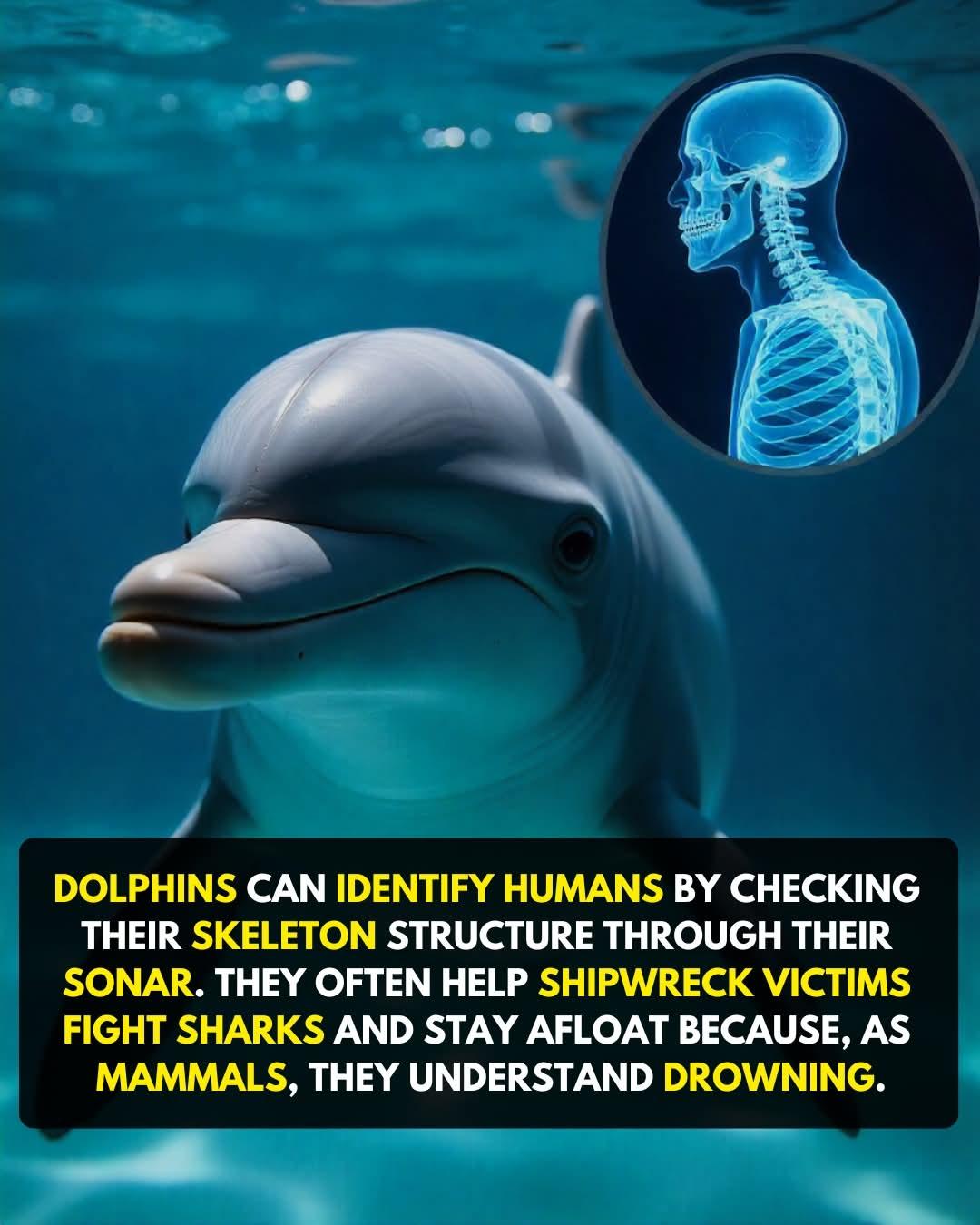
• Dolphins are remarkable animals with a unique ability to recognize humans. They rely on a skill called sonar, which involves sending out sound waves and interpreting the echoes that return. This remarkable sense allows them to “see” their surroundings in detail, including identifying the skeletal structure of people in the water.

    Beyond recognition, dolphins are celebrated for their compassion and courage. Countless accounts tell of dolphins coming to the rescue of people in distress at sea—whether guiding shipwreck survivors away from sharks or helping them stay afloat until help arrives.

    As mammals, dolphins instinctively understand the danger of drowning, and their empathy often drives them to intervene. These acts of protection showcase their intelligence, social awareness, and the extraordinary connection they share with humans—a bond built on instinct, trust, and an unspoken understanding of life in the ocean.
    Dolphins are remarkable animals with a unique ability to recognize humans. They rely on a skill called sonar, which involves sending out sound waves and interpreting the echoes that return. This remarkable sense allows them to “see” their surroundings in detail, including identifying the skeletal structure of people in the water. Beyond recognition, dolphins are celebrated for their compassion and courage. Countless accounts tell of dolphins coming to the rescue of people in distress at sea—whether guiding shipwreck survivors away from sharks or helping them stay afloat until help arrives. As mammals, dolphins instinctively understand the danger of drowning, and their empathy often drives them to intervene. These acts of protection showcase their intelligence, social awareness, and the extraordinary connection they share with humans—a bond built on instinct, trust, and an unspoken understanding of life in the ocean.
    0 Комментарии 0 Поделились 285 Просмотры
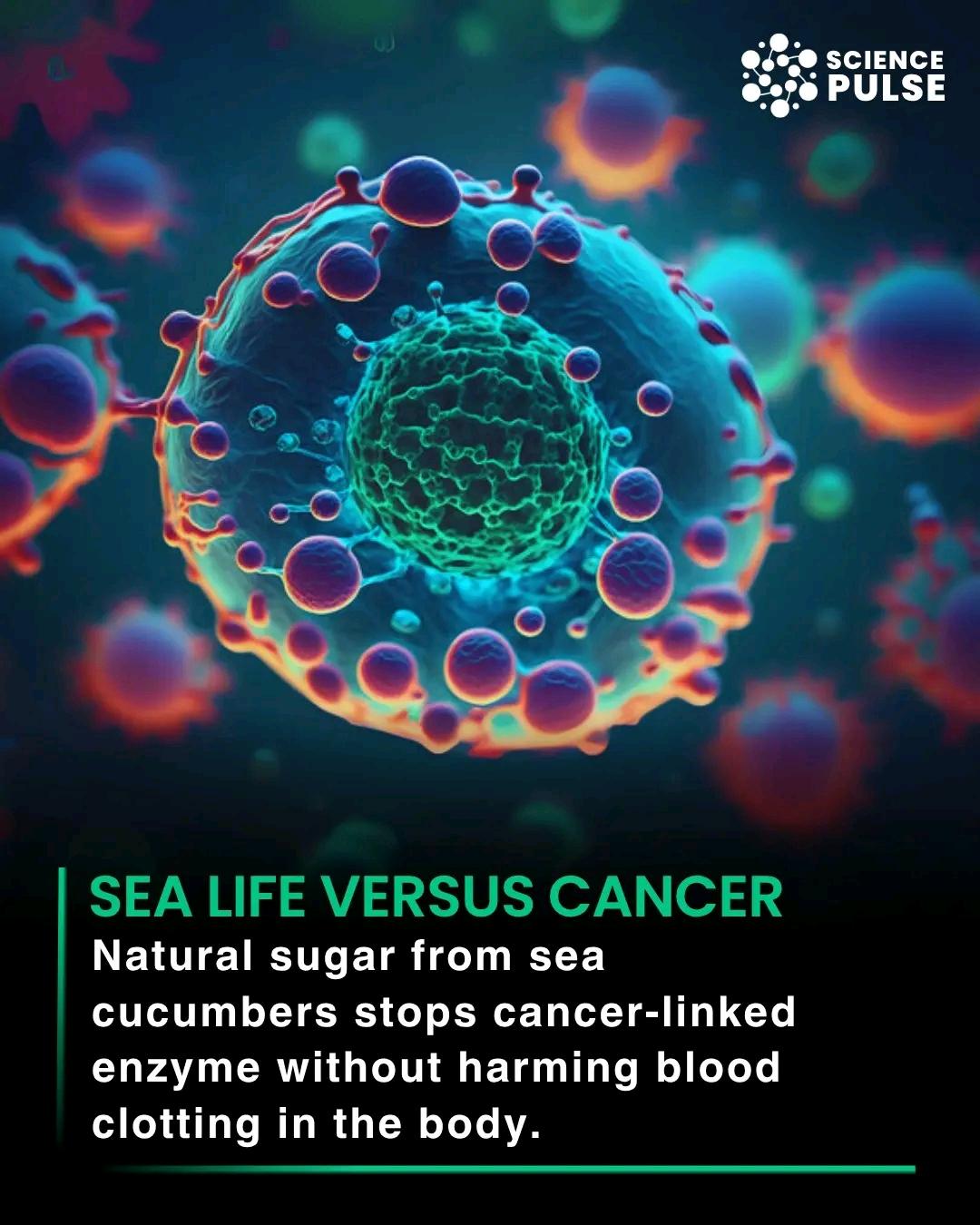
  • A surprising discovery from the ocean could reshape the future of cancer treatment. Scientists have found that a sugary molecule from sea cucumbers, called fucosylated chondroitin sulfate (HfFucCS), may become a powerful and safer way to stop cancer from growing and spreading.

    Researchers at the University of Mississippi revealed that this natural compound blocks Sulf-2, an enzyme that alters cell surface sugars called glycans. These changes help cancer cells grow and spread. By stopping Sulf-2, HfFucCS cuts off a key tool cancer uses to gain control, all without affecting blood clotting, a dangerous side effect seen in similar treatments.

    Unlike many anti-cancer agents, HfFucCS does not thin the blood, making it a safer option for future therapies. This is a major breakthrough because Sulf-2 inhibitors have long shown potential but carried high bleeding risks.

    Sea cucumbers have been used in traditional Asian medicine for centuries, and now modern science is confirming their hidden potential. Past studies also linked sea cucumber compounds to benefits like delaying diabetes.

    The next step is figuring out how to produce this compound at scale without harming marine ecosystems. If successful, clinical testing in animals and eventually humans could follow.

    This could be a game-changer in the fight against cancer.
    A surprising discovery from the ocean could reshape the future of cancer treatment. Scientists have found that a sugary molecule from sea cucumbers, called fucosylated chondroitin sulfate (HfFucCS), may become a powerful and safer way to stop cancer from growing and spreading. Researchers at the University of Mississippi revealed that this natural compound blocks Sulf-2, an enzyme that alters cell surface sugars called glycans. These changes help cancer cells grow and spread. By stopping Sulf-2, HfFucCS cuts off a key tool cancer uses to gain control, all without affecting blood clotting, a dangerous side effect seen in similar treatments. Unlike many anti-cancer agents, HfFucCS does not thin the blood, making it a safer option for future therapies. This is a major breakthrough because Sulf-2 inhibitors have long shown potential but carried high bleeding risks. Sea cucumbers have been used in traditional Asian medicine for centuries, and now modern science is confirming their hidden potential. Past studies also linked sea cucumber compounds to benefits like delaying diabetes. The next step is figuring out how to produce this compound at scale without harming marine ecosystems. If successful, clinical testing in animals and eventually humans could follow. This could be a game-changer in the fight against cancer.
    0 Комментарии 0 Поделились 666 Просмотры
  • রাতের অন্ধকারে হঠাৎ ঝিলিক দিয়ে ওঠা জোনাকিপোকা আমাদের শৈশব, গ্রাম্য প্রকৃতি আর নিঃশব্দ রোমাঞ্চের সঙ্গে গভীরভাবে জড়িত। কিন্তু আজ এই মায়াবী প্রাণীটি ধীরে ধীরে হারিয়ে যাচ্ছে। বিজ্ঞানীরা বলছেন, বিশ্বজুড়ে জোনাকিপোকার সংখ্যা দ্রুত কমছে, আর আমরা যারা এখনো তাদের আলো দেখতে পাচ্ছি, তারাই হয়তো শেষ প্রজন্ম।

    জোনাকিপোকা একটি বায়োলুমিনেসেন্ট পোকা, যারা শরীরে রাসায়নিক প্রতিক্রিয়ার মাধ্যমে আলো তৈরি করে। পুরুষ পোকা স্ত্রীকে আকৃষ্ট করতে এই আলো ব্যবহার করে। কিন্তু কৃত্রিম আলো (light pollution), কীটনাশক, বন উজাড় এবং জলবায়ু পরিবর্তন তাদের প্রজনন ও বেঁচে থাকার ক্ষমতাকে মারাত্মকভাবে ক্ষতিগ্রস্ত করছে।

    ২০১৯ সালে IUCN-এর একটি জরিপে জানা যায়, জোনাকিপোকার এক-তৃতীয়াংশ প্রজাতি বিলুপ্তির ঝুঁকিতে। তাদের হারিয়ে যাওয়া শুধু একটি প্রাণীর ক্ষয় নয়, বরং পরিবেশের ভারসাম্য নষ্ট হওয়ার সংকেত।

    #scirovers #science #facts #firefly #light #animals #extinct
    রাতের অন্ধকারে হঠাৎ ঝিলিক দিয়ে ওঠা জোনাকিপোকা আমাদের শৈশব, গ্রাম্য প্রকৃতি আর নিঃশব্দ রোমাঞ্চের সঙ্গে গভীরভাবে জড়িত। কিন্তু আজ এই মায়াবী প্রাণীটি ধীরে ধীরে হারিয়ে যাচ্ছে। বিজ্ঞানীরা বলছেন, বিশ্বজুড়ে জোনাকিপোকার সংখ্যা দ্রুত কমছে, আর আমরা যারা এখনো তাদের আলো দেখতে পাচ্ছি, তারাই হয়তো শেষ প্রজন্ম। জোনাকিপোকা একটি বায়োলুমিনেসেন্ট পোকা, যারা শরীরে রাসায়নিক প্রতিক্রিয়ার মাধ্যমে আলো তৈরি করে। পুরুষ পোকা স্ত্রীকে আকৃষ্ট করতে এই আলো ব্যবহার করে। কিন্তু কৃত্রিম আলো (light pollution), কীটনাশক, বন উজাড় এবং জলবায়ু পরিবর্তন তাদের প্রজনন ও বেঁচে থাকার ক্ষমতাকে মারাত্মকভাবে ক্ষতিগ্রস্ত করছে। ২০১৯ সালে IUCN-এর একটি জরিপে জানা যায়, জোনাকিপোকার এক-তৃতীয়াংশ প্রজাতি বিলুপ্তির ঝুঁকিতে। তাদের হারিয়ে যাওয়া শুধু একটি প্রাণীর ক্ষয় নয়, বরং পরিবেশের ভারসাম্য নষ্ট হওয়ার সংকেত। #scirovers #science #facts #firefly #light #animals #extinct
    0 Комментарии 0 Поделились 439 Просмотры
  • No drugs. No chemo. Just light and cancer cells explode from the inside.

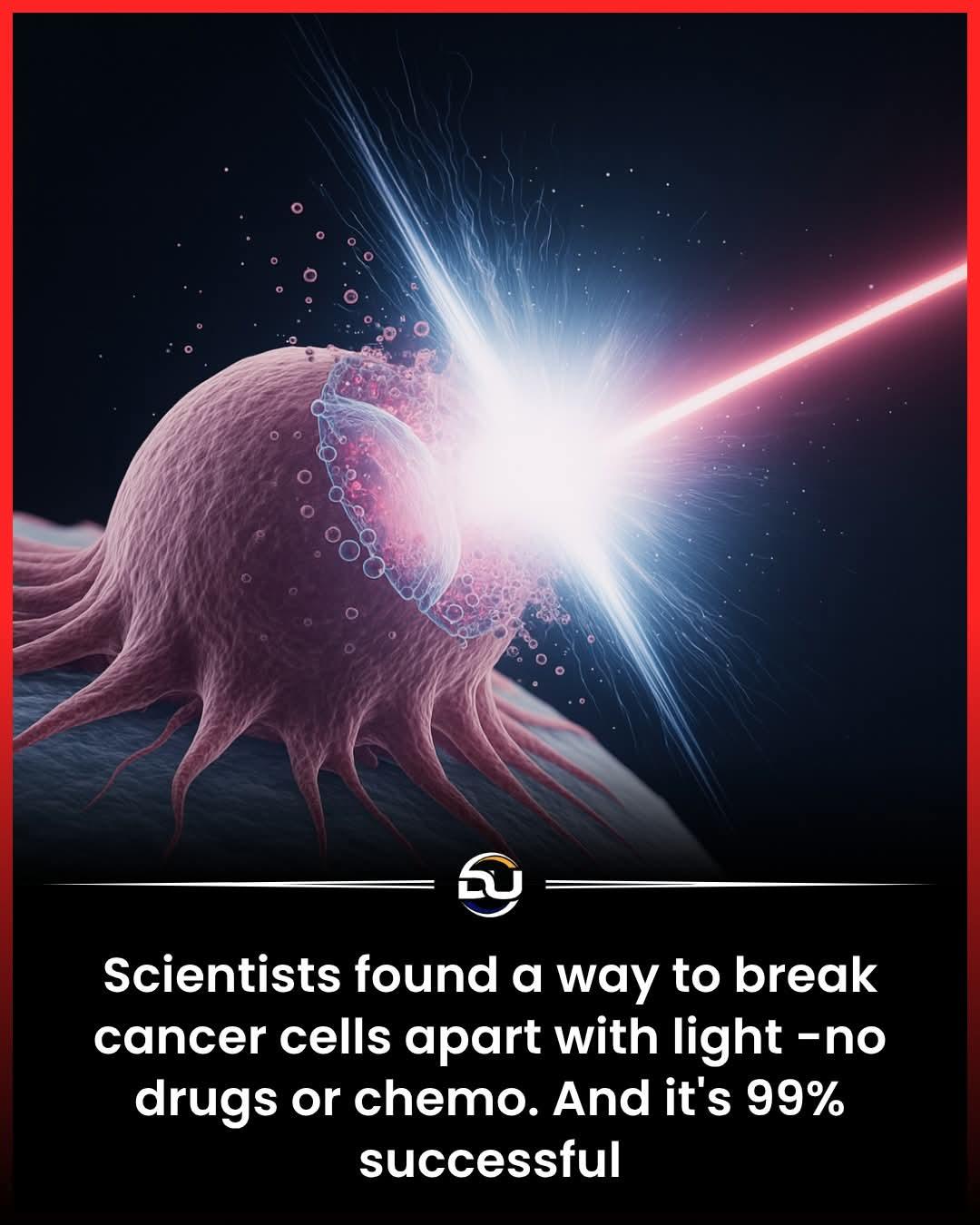
    In a major breakthrough that could change cancer treatment forever, scientists have discovered a way to destroy cancer cells using nothing but light no drugs, no chemotherapy, no radiation.

    Researchers from Rice University, Texas A&M, and University of Texas created what they call “molecular jackhammers.” These are special dye molecules called aminocyanines that naturally attach to cancer cell membranes. When exposed to near-infrared light, these molecules begin to vibrate violently, shaking the cancer cells so hard that their outer walls rupture.

    The result? The cancer cells fall apart literally broken from the inside out.

    In lab tests on human melanoma cells, this method destroyed about 99% of cancer cells. That’s not just impressive it’s nearly total destruction. In early tests on mice, 50% of the animals became completely tumor-free after receiving the treatment.

    This approach is still in its early stages, but it shows enormous potential. It’s fast, precise, and avoids the painful side effects of chemo or radiation. Plus, since it uses light instead of chemicals, it may be safer and more targeted with fewer impacts on healthy cells.

    Scientists believe this could be the future of cancer treatment: non-invasive, drug-free, and powered by light.

    #LightVsCancer #MolecularJackhammers #CancerBreakthrough #NoChemoNeeded #ScienceRevolution
    No drugs. No chemo. Just light and cancer cells explode from the inside. In a major breakthrough that could change cancer treatment forever, scientists have discovered a way to destroy cancer cells using nothing but light no drugs, no chemotherapy, no radiation. Researchers from Rice University, Texas A&M, and University of Texas created what they call “molecular jackhammers.” These are special dye molecules called aminocyanines that naturally attach to cancer cell membranes. When exposed to near-infrared light, these molecules begin to vibrate violently, shaking the cancer cells so hard that their outer walls rupture. The result? The cancer cells fall apart literally broken from the inside out. In lab tests on human melanoma cells, this method destroyed about 99% of cancer cells. That’s not just impressive it’s nearly total destruction. In early tests on mice, 50% of the animals became completely tumor-free after receiving the treatment. This approach is still in its early stages, but it shows enormous potential. It’s fast, precise, and avoids the painful side effects of chemo or radiation. Plus, since it uses light instead of chemicals, it may be safer and more targeted with fewer impacts on healthy cells. Scientists believe this could be the future of cancer treatment: non-invasive, drug-free, and powered by light. #LightVsCancer #MolecularJackhammers #CancerBreakthrough #NoChemoNeeded #ScienceRevolution
    0 Комментарии 0 Поделились 457 Просмотры
  • Are Aliens Watching Us?

    The idea that aliens may be silently watching us has intrigued scientists and thinkers for decades. According to some theories, advanced extraterrestrial civilizations might be observing Earth from a distance, choosing not to make contact until humanity reaches a certain level of maturity or technological advancement. This concept, known as the"zoo hypothesis" suggests we could be like animals in a cosmic preserve studied but not disturbed. If these beings possess technology far beyond our current capabilities, they might cloak their presence or observe us in ways we can't yet comprehend, like using undetectable probes or manipulating space time itself.It raises a haunting possibility: we might not be alone yet never know we’re being watched.
    #space #science #fact #facts
    Are Aliens Watching Us? The idea that aliens may be silently watching us has intrigued scientists and thinkers for decades. According to some theories, advanced extraterrestrial civilizations might be observing Earth from a distance, choosing not to make contact until humanity reaches a certain level of maturity or technological advancement. This concept, known as the"zoo hypothesis" suggests we could be like animals in a cosmic preserve studied but not disturbed. If these beings possess technology far beyond our current capabilities, they might cloak their presence or observe us in ways we can't yet comprehend, like using undetectable probes or manipulating space time itself.It raises a haunting possibility: we might not be alone yet never know we’re being watched. #space #science #fact #facts
    0 Комментарии 0 Поделились 360 Просмотры
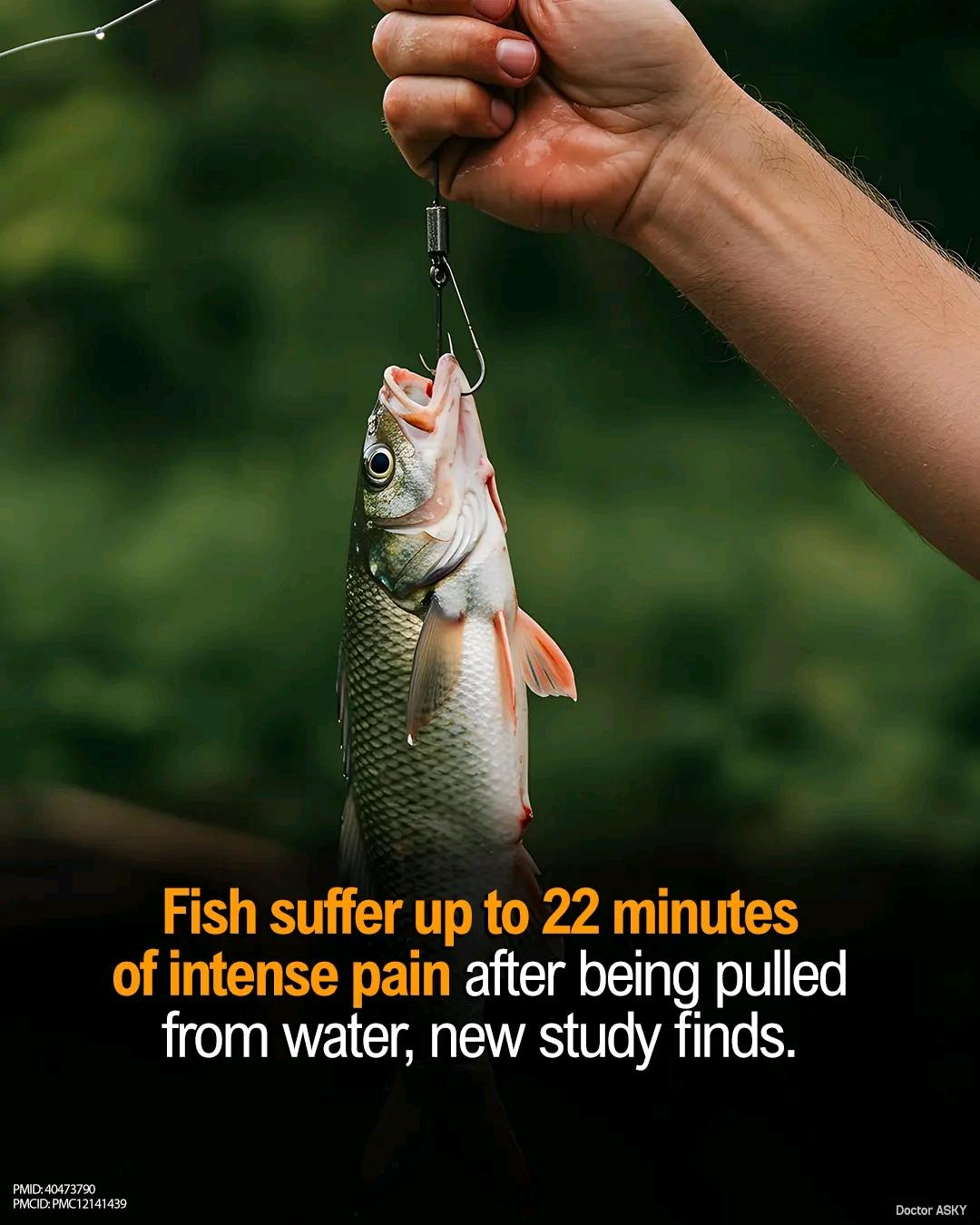
  • A troubling new study has put hard numbers on something many people have long suspected: fish pulled from water can endure long stretches of severe pain before they die. Researchers found that rainbow trout, one of the world’s most farmed fish, can suffer for as long as 22 minutes when killed by traditional methods like air or ice asphyxiation. This is one of the most common ways to slaughter fish because it’s cheap and easy, but it comes at a huge cost to the animals.

    The team used a new tool called the Welfare Footprint Framework (WFF), which combines data on the intensity of pain and the length of time it lasts to estimate the animal’s overall suffering. They pored over dozens of studies to piece together what happens to fish after they’re removed from water. Just five seconds in air triggers a stress response similar to panic in humans, with the fish frantically twisting and turning. As their gills collapse, carbon dioxide builds up in their bodies, setting off the body’s pain alarms. It can take anywhere from 2 to 25 minutes for them to finally lose consciousness.

    The researchers calculated that on average, each kilogram of fish killed this way racks up about 24 minutes of moderate to extreme pain, with some methods causing over an hour of agony. More humane alternatives like electrical stunning could drastically cut this suffering, potentially saving up to 20 hours of severe pain per dollar invested in better equipment. But current stunning systems aren’t always reliable, and extra stress before slaughter can undermine their benefits.

    Research Paper 📄
    PMID: 40473790
    PMCID: PMC12141439
    A troubling new study has put hard numbers on something many people have long suspected: fish pulled from water can endure long stretches of severe pain before they die. Researchers found that rainbow trout, one of the world’s most farmed fish, can suffer for as long as 22 minutes when killed by traditional methods like air or ice asphyxiation. This is one of the most common ways to slaughter fish because it’s cheap and easy, but it comes at a huge cost to the animals. The team used a new tool called the Welfare Footprint Framework (WFF), which combines data on the intensity of pain and the length of time it lasts to estimate the animal’s overall suffering. They pored over dozens of studies to piece together what happens to fish after they’re removed from water. Just five seconds in air triggers a stress response similar to panic in humans, with the fish frantically twisting and turning. As their gills collapse, carbon dioxide builds up in their bodies, setting off the body’s pain alarms. It can take anywhere from 2 to 25 minutes for them to finally lose consciousness. The researchers calculated that on average, each kilogram of fish killed this way racks up about 24 minutes of moderate to extreme pain, with some methods causing over an hour of agony. More humane alternatives like electrical stunning could drastically cut this suffering, potentially saving up to 20 hours of severe pain per dollar invested in better equipment. But current stunning systems aren’t always reliable, and extra stress before slaughter can undermine their benefits. Research Paper 📄 PMID: 40473790 PMCID: PMC12141439
    0 Комментарии 0 Поделились 231 Просмотры
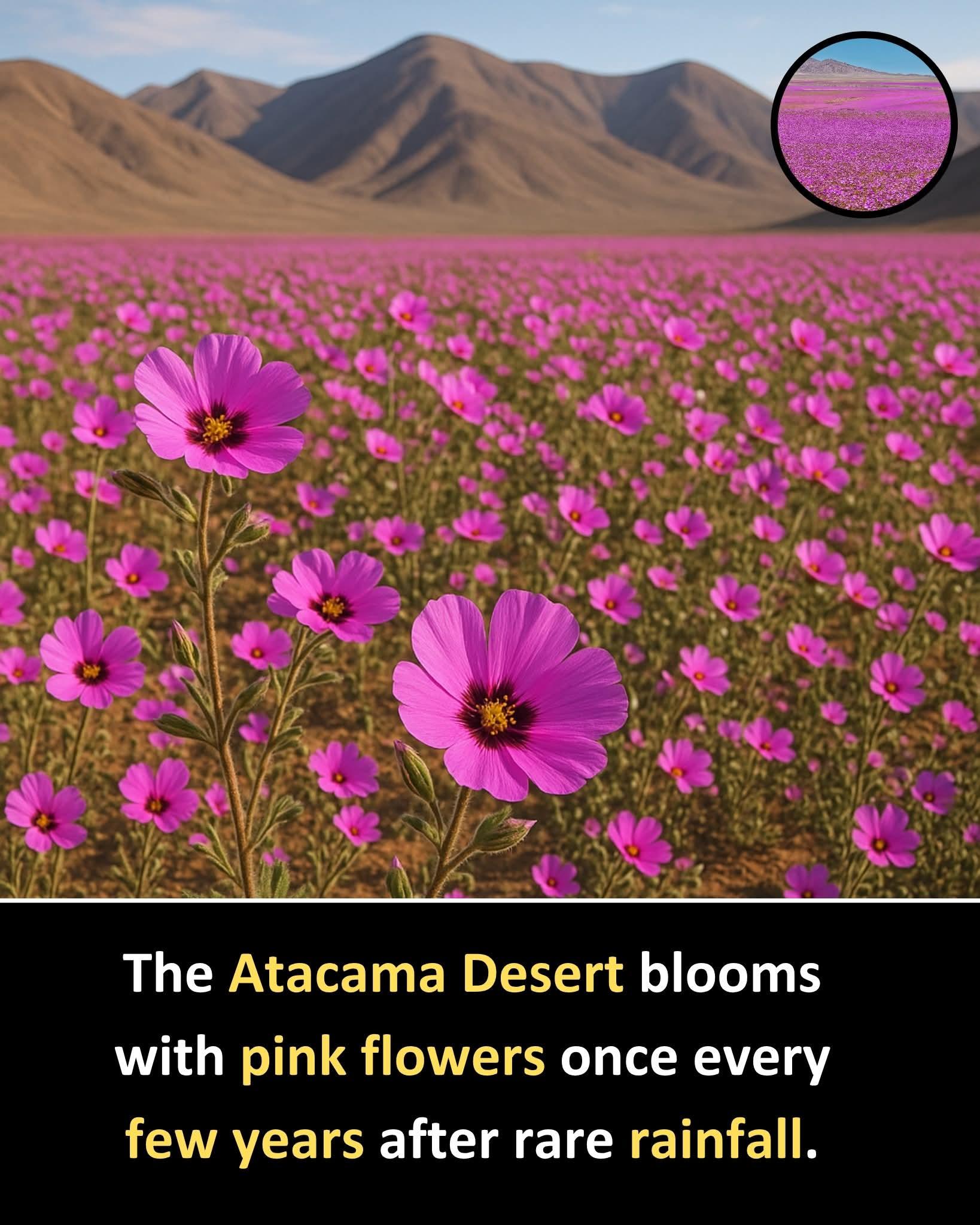
  • The Atacama Desert in northern Chile is known as one of the driest places on Earth, with some regions going decades without measurable rainfall. Yet, in a rare and breathtaking phenomenon, this barren landscape can transform into a vibrant field of pink and purple flowers when rainfall finally graces the region. This event, called the "desierto florido" or "flowering desert," typically occurs once every five to seven years when El Niño conditions bring unusually high precipitation.

    The seeds of native wildflowers like *Cistanthe longiscapa* lie dormant beneath the desert floor, waiting for moisture. When rain finally arrives, these seeds rapidly germinate and bloom, carpeting the desert in stunning colors for just a few weeks. The spectacle not only attracts scientists and photographers from around the world but also supports local biodiversity by boosting populations of insects, birds, and small animals. It’s a powerful reminder of nature’s resilience and beauty.
    The Atacama Desert in northern Chile is known as one of the driest places on Earth, with some regions going decades without measurable rainfall. Yet, in a rare and breathtaking phenomenon, this barren landscape can transform into a vibrant field of pink and purple flowers when rainfall finally graces the region. This event, called the "desierto florido" or "flowering desert," typically occurs once every five to seven years when El Niño conditions bring unusually high precipitation. The seeds of native wildflowers like *Cistanthe longiscapa* lie dormant beneath the desert floor, waiting for moisture. When rain finally arrives, these seeds rapidly germinate and bloom, carpeting the desert in stunning colors for just a few weeks. The spectacle not only attracts scientists and photographers from around the world but also supports local biodiversity by boosting populations of insects, birds, and small animals. It’s a powerful reminder of nature’s resilience and beauty.
    Love
    1
    0 Комментарии 0 Поделились 460 Просмотры
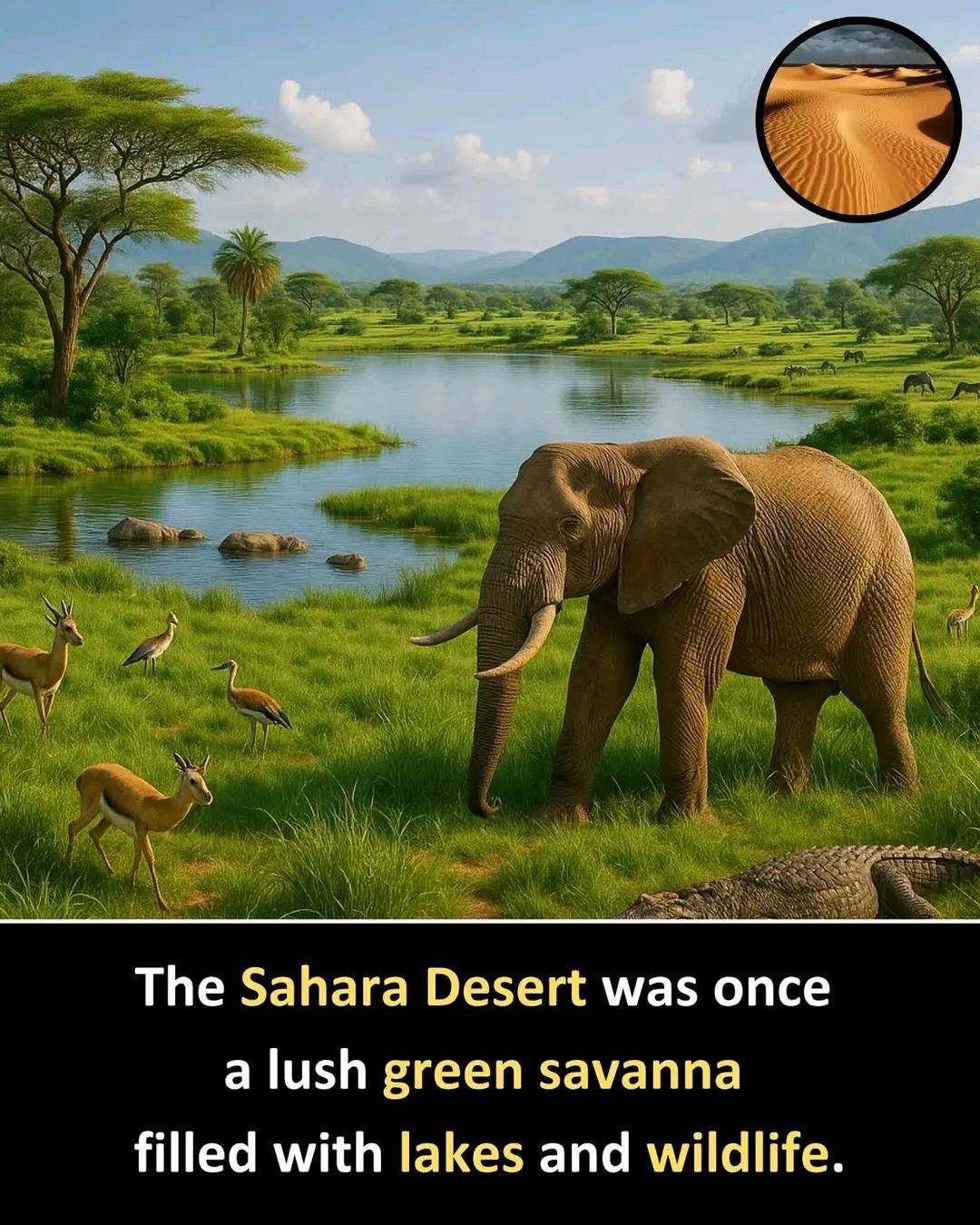
  • Thousands of years ago, the Sahara Desert—the world’s largest hot desert—was not a barren, sandy expanse. Instead, it was a thriving green savanna filled with vast grasslands, large lakes, and an abundance of wildlife, including elephants, hippos, crocodiles, and even early human settlements. This period, known as the “African Humid Period,” lasted from around 11,000 to 5,000 years ago. During this time, the region received regular rainfall due to changes in Earth’s orbit that affected monsoon patterns, transforming the landscape into one rich with vegetation and life.

    However, around 5,000 years ago, the climate began to shift drastically. The monsoons weakened, and the region started receiving less and less rainfall. Gradually, the lakes dried up, vegetation disappeared, and desertification set in. Archaeological evidence, such as cave paintings showing swimming humans and abundant animals, tells the story of this lost green Sahara. Today, the desert’s past serves as a powerful reminder of Earth’s ever-changing climate.
    Thousands of years ago, the Sahara Desert—the world’s largest hot desert—was not a barren, sandy expanse. Instead, it was a thriving green savanna filled with vast grasslands, large lakes, and an abundance of wildlife, including elephants, hippos, crocodiles, and even early human settlements. This period, known as the “African Humid Period,” lasted from around 11,000 to 5,000 years ago. During this time, the region received regular rainfall due to changes in Earth’s orbit that affected monsoon patterns, transforming the landscape into one rich with vegetation and life. However, around 5,000 years ago, the climate began to shift drastically. The monsoons weakened, and the region started receiving less and less rainfall. Gradually, the lakes dried up, vegetation disappeared, and desertification set in. Archaeological evidence, such as cave paintings showing swimming humans and abundant animals, tells the story of this lost green Sahara. Today, the desert’s past serves as a powerful reminder of Earth’s ever-changing climate.
    Love
    1
    0 Комментарии 0 Поделились 183 Просмотры
  • Cute animals in your path!

    Cute chipmunks were captured foraging among the pine trees at a forest park in Daqing City, northeast China's Heilongjiang Province Chipmunks are the smallest in the squirrel family and are unique for the black stripes running along their backs. #ChinaSeen
    Cute animals in your path! Cute chipmunks were captured foraging among the pine trees at a forest park in Daqing City, northeast China's Heilongjiang Province Chipmunks are the smallest in the squirrel family and are unique for the black stripes running along their backs. #ChinaSeen
    0 Комментарии 0 Поделились 412 Просмотры
  • Imagine fighting cancer only to learn the medicine might help it spread. A July study from Tsinghua University exposed mice to doxorubicin, cyclophosphamide, or cisplatin and saw lung tumors bloom far faster than in untreated animals.
    The drugs drove nearby fibroblasts into senescence, stripping them of lamin B1 and flooding tissue with growth proteins that awakened dormant cancer cells. Metastases doubled, creating what scientists call a fertile ground for invasion.
    Researchers stress that chemotherapy still saves lives but urge swift trials pairing it with senolytic or immune therapies to blunt this risk. Patients should not stop treatment, yet the findings signal a critical need for personalized cancer care.
    Disclaimer: This news is shared for journalistic and informational purposes only. Please consult your physician before making any medical decisions.

    #Chemotherapy #CancerResearch #Metastasis #Oncology #HealthNews
    Imagine fighting cancer only to learn the medicine might help it spread. A July study from Tsinghua University exposed mice to doxorubicin, cyclophosphamide, or cisplatin and saw lung tumors bloom far faster than in untreated animals. The drugs drove nearby fibroblasts into senescence, stripping them of lamin B1 and flooding tissue with growth proteins that awakened dormant cancer cells. Metastases doubled, creating what scientists call a fertile ground for invasion. Researchers stress that chemotherapy still saves lives but urge swift trials pairing it with senolytic or immune therapies to blunt this risk. Patients should not stop treatment, yet the findings signal a critical need for personalized cancer care. Disclaimer: This news is shared for journalistic and informational purposes only. Please consult your physician before making any medical decisions. #Chemotherapy #CancerResearch #Metastasis #Oncology #HealthNews
    0 Комментарии 0 Поделились 492 Просмотры
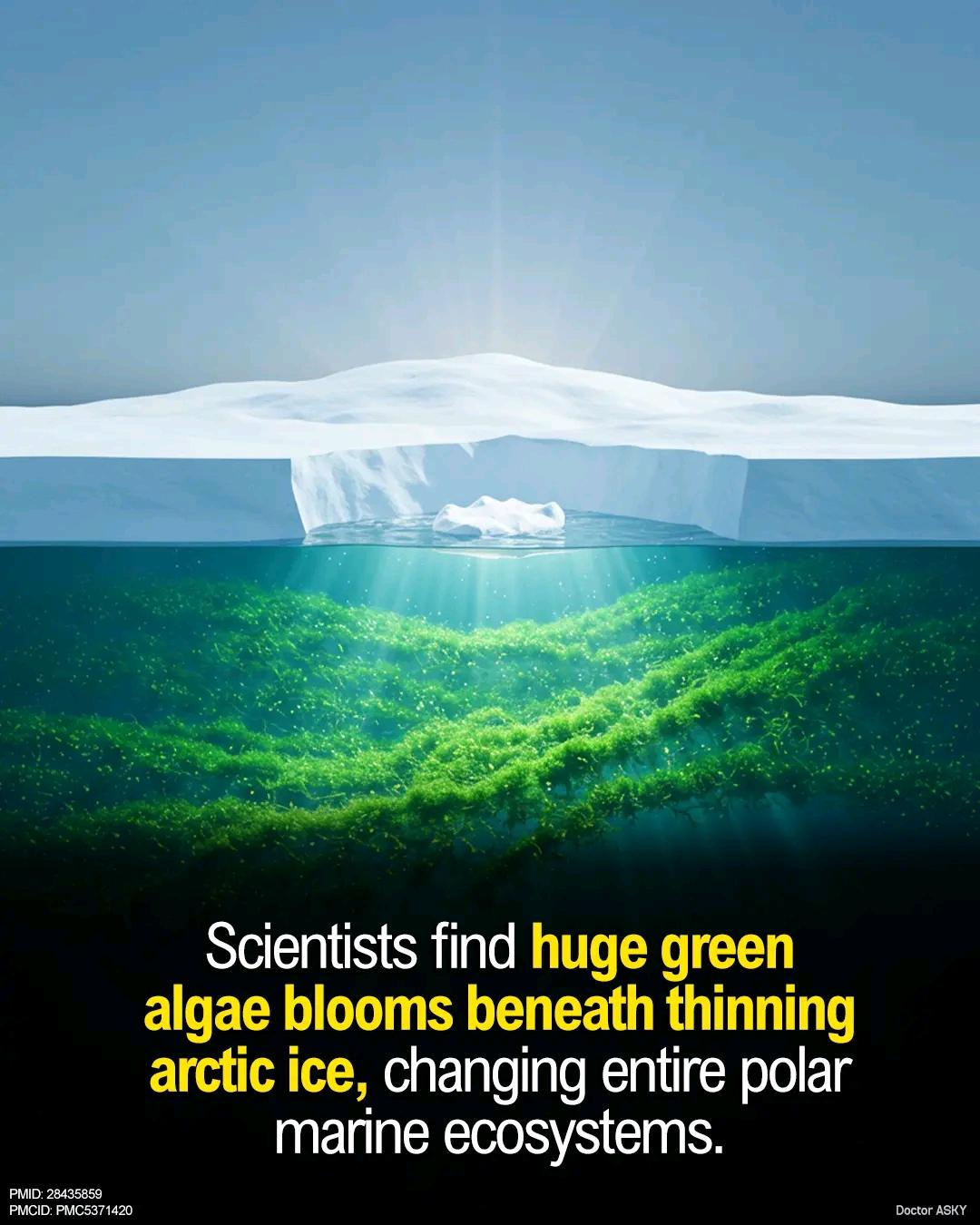
  • In a place known for its icy blues and snowy whites, researchers were stunned to find a bright green algae bloom thriving beneath Arctic ice. This strange sight was first spotted in 2011 by scientists from Stanford University who were tracking ocean life in the Chukchi Sea. The green patch turned out to be a massive bloom of phytoplankton—tiny, oxygen-producing organisms that usually need a lot of sunlight. The catch? Thick Arctic ice has always been thought to block sunlight, making such blooms impossible.

    The key to the mystery was thinner ice. A later study in 2017 by researchers at Harvard revealed that global warming had caused Arctic ice to thin out and become less reflective, allowing more sunlight to pass through. This unexpected access to light created just the right conditions for photosynthesis to kick in, sparking large under-ice blooms of phytoplankton. In fact, these blooms were found to be up to ten times more productive than usual, raising big questions about what this means for the future of the Arctic.

    Phytoplankton plays a vital role in producing oxygen and feeding marine life, but scientists worry that such fast and dramatic changes could throw the entire Arctic ecosystem off balance. Warmer temperatures, melting ice, and blooming algae could trigger unpredictable effects for everything from tiny fish to larger Arctic animals, creating yet another dangerous feedback loop in our warming world.

    PMID: 28435859
    PMCID: PMC5371420
    In a place known for its icy blues and snowy whites, researchers were stunned to find a bright green algae bloom thriving beneath Arctic ice. This strange sight was first spotted in 2011 by scientists from Stanford University who were tracking ocean life in the Chukchi Sea. The green patch turned out to be a massive bloom of phytoplankton—tiny, oxygen-producing organisms that usually need a lot of sunlight. The catch? Thick Arctic ice has always been thought to block sunlight, making such blooms impossible. The key to the mystery was thinner ice. A later study in 2017 by researchers at Harvard revealed that global warming had caused Arctic ice to thin out and become less reflective, allowing more sunlight to pass through. This unexpected access to light created just the right conditions for photosynthesis to kick in, sparking large under-ice blooms of phytoplankton. In fact, these blooms were found to be up to ten times more productive than usual, raising big questions about what this means for the future of the Arctic. Phytoplankton plays a vital role in producing oxygen and feeding marine life, but scientists worry that such fast and dramatic changes could throw the entire Arctic ecosystem off balance. Warmer temperatures, melting ice, and blooming algae could trigger unpredictable effects for everything from tiny fish to larger Arctic animals, creating yet another dangerous feedback loop in our warming world. PMID: 28435859 PMCID: PMC5371420
    0 Комментарии 0 Поделились 385 Просмотры
BlackBird Ai
https://bbai.shop