


• vCortical Labs' CL1, a revolutionary biological computer, integrates living human brain cells grown on silicon chips, aiming for adaptable and energy-efficient computing; this "Synthetic Biological Intelligence" (SBI) utilizes a "Biological Intelligence Operating System" (biOS) and holds potential for medical research, robotics, and cloud computing, while raising crucial ethical considerations about sentience.

    #BiologicalComputing #AI #NeuralNetworks #futuretech #ArtificialIntelligence #Neuroscience #BioTech #CorticalLabs #CL1 #SyntheticBiology #EthicalAI

    vCortical Labs' CL1, a revolutionary biological computer, integrates living human brain cells grown on silicon chips, aiming for adaptable and energy-efficient computing; this "Synthetic Biological Intelligence" (SBI) utilizes a "Biological Intelligence Operating System" (biOS) and holds potential for medical research, robotics, and cloud computing, while raising crucial ethical considerations about sentience. #BiologicalComputing #AI #NeuralNetworks #futuretech #ArtificialIntelligence #Neuroscience #BioTech #CorticalLabs #CL1 #SyntheticBiology #EthicalAI

    Love
    1
    0 Комментарии 0 Поделились 545 Просмотры
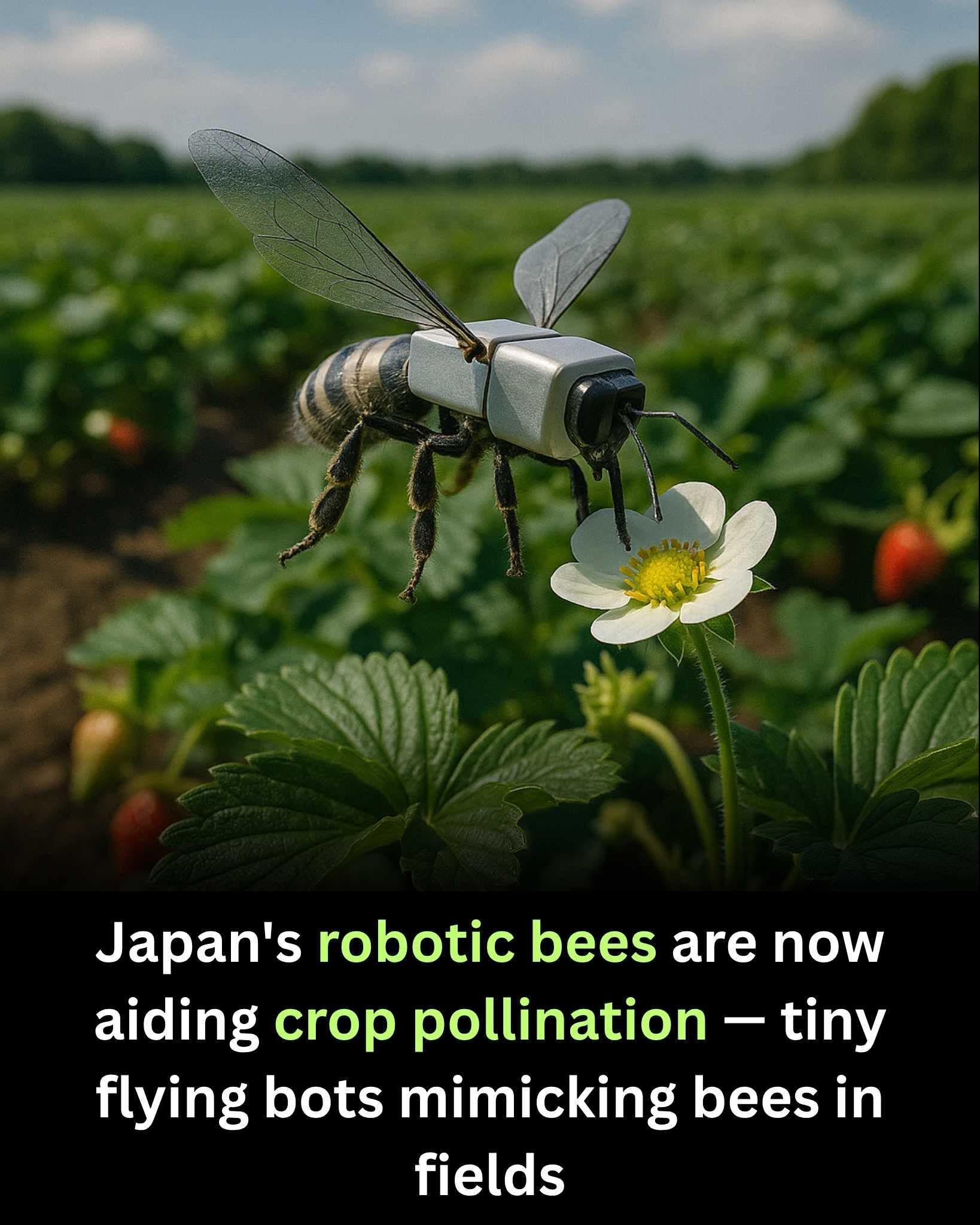
  • Japan has developed robotic bees to help with crop pollination, addressing the global decline in bee populations. These tiny flying bots, equipped with cameras, sensors, and soft horsehair coated in a sticky gel, mimic the natural pollination process of real bees. Guided by AI, they can identify flowers, collect pollen, and transfer it efficiently between plants.

    The robotic bees are being tested in greenhouses and open fields, ensuring crops like fruits and vegetables receive proper pollination even when natural bee numbers are low. Their lightweight design allows them to hover and navigate complex floral patterns without damaging delicate plants.

    This innovation could safeguard global food production, especially in regions facing severe pollinator shortages. By blending robotics with nature’s design, Japan is offering a futuristic yet practical solution to one of agriculture’s biggest challenges.

    #AgriTech #BeeBots #FutureFarming
    Japan has developed robotic bees to help with crop pollination, addressing the global decline in bee populations. These tiny flying bots, equipped with cameras, sensors, and soft horsehair coated in a sticky gel, mimic the natural pollination process of real bees. Guided by AI, they can identify flowers, collect pollen, and transfer it efficiently between plants. The robotic bees are being tested in greenhouses and open fields, ensuring crops like fruits and vegetables receive proper pollination even when natural bee numbers are low. Their lightweight design allows them to hover and navigate complex floral patterns without damaging delicate plants. This innovation could safeguard global food production, especially in regions facing severe pollinator shortages. By blending robotics with nature’s design, Japan is offering a futuristic yet practical solution to one of agriculture’s biggest challenges. #AgriTech #BeeBots #FutureFarming
    0 Комментарии 0 Поделились 560 Просмотры
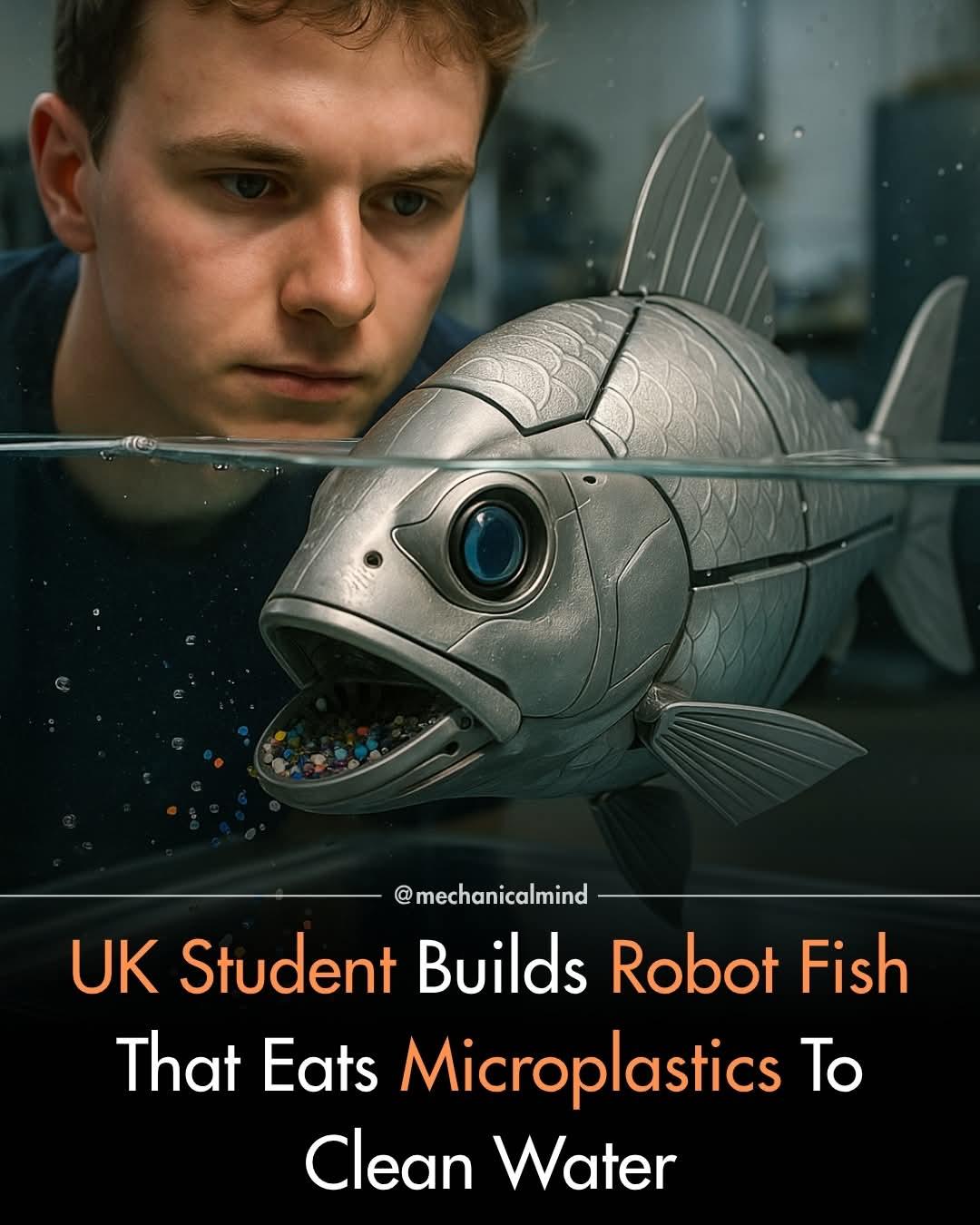
  • A student at the University of Surrey in the UK has designed a robot fish that swims through water and collects microplastics, helping clean polluted rivers and oceans. The robot is lightweight, fast, and can operate autonomously in real-world environments.

    Named “Gillbert,” the robot fish uses a fine mesh in its mouth to trap tiny plastic particles while mimicking the swimming style of real fish. Its goal is not just cleanup—but to serve as a model for bio-inspired environmental robots.

    This small invention may have a huge impact, showing how youth and innovation can take on climate challenges creatively.

    #RobotFish #MicroplasticCleanup #YouthInnovation #BioRobotics #CleanWaterTech #michanicalmind
    A student at the University of Surrey in the UK has designed a robot fish that swims through water and collects microplastics, helping clean polluted rivers and oceans. The robot is lightweight, fast, and can operate autonomously in real-world environments. Named “Gillbert,” the robot fish uses a fine mesh in its mouth to trap tiny plastic particles while mimicking the swimming style of real fish. Its goal is not just cleanup—but to serve as a model for bio-inspired environmental robots. This small invention may have a huge impact, showing how youth and innovation can take on climate challenges creatively. #RobotFish #MicroplasticCleanup #YouthInnovation #BioRobotics #CleanWaterTech #michanicalmind
    0 Комментарии 0 Поделились 568 Просмотры
BlackBird Ai
https://bbai.shop