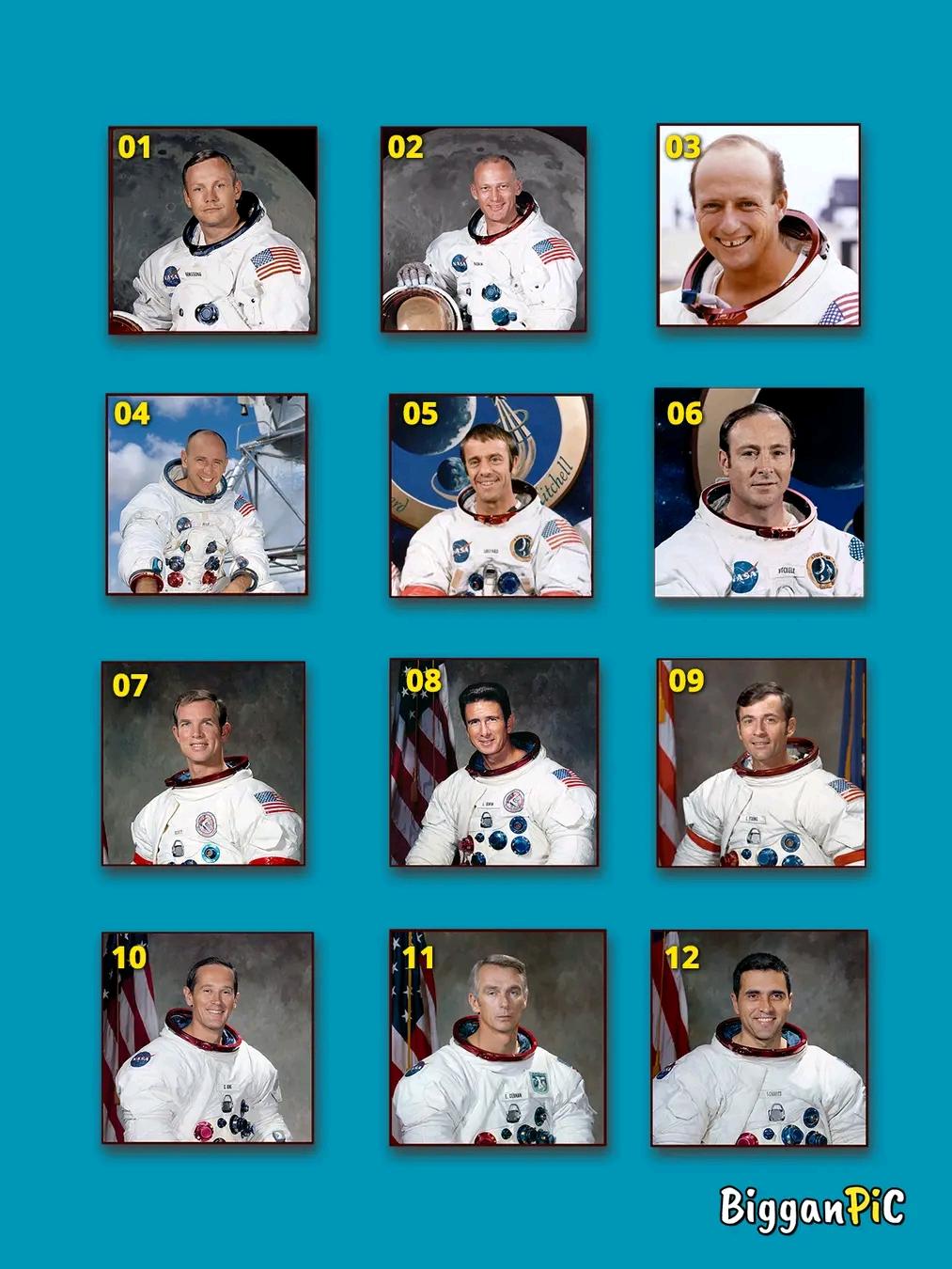
• চাঁদের মাটিতে পা রাখা ১২ জন নভোচারী:
    01. Neil Armstrong/নিল আর্মস্ট্রং: July 20, 1969 (Apollo 11)
    02. Buzz Aldrin/বাজ অলড্রিন: July 20, 1969 (Apollo 11)
    03. Pete Conrad/পিটার কনরাড: November 19, 1969 (Apollo 12)
    04. Alan Bean/অ্যালান বিন: November 19, 1969 (Apollo 12)
    05. Alan Shepard/অ্যালান শেফার্ড: February 5, 1971 (Apollo 14)
    06. Edgar Mitchell/এডগার মিচেল: February 5, 1971 (Apollo 14)
    07. David Scott/ডেভিড স্কট: July 30, 1971 (Apollo 15)
    08. James Irwin/জেমস ইরউইন: July 30, 1971 (Apollo 15)
    09. John Young/জন ইয়ং: April 21, 1972 (Apollo 16)
    10. Charles Duke/চার্লস ডিউক: April 21, 1972 (Apollo 16)
    11. Eugene Cernan/জিন সারনান: December 11, 1972 (Apollo 17)
    12. Harrison Schmitt/হ্যারিসন শ্মিট: December 11, 1972 (Apollo 17)
    চাঁদের মাটিতে পা রাখা ১২ জন নভোচারী: 01. Neil Armstrong/নিল আর্মস্ট্রং: July 20, 1969 (Apollo 11) 02. Buzz Aldrin/বাজ অলড্রিন: July 20, 1969 (Apollo 11) 03. Pete Conrad/পিটার কনরাড: November 19, 1969 (Apollo 12) 04. Alan Bean/অ্যালান বিন: November 19, 1969 (Apollo 12) 05. Alan Shepard/অ্যালান শেফার্ড: February 5, 1971 (Apollo 14) 06. Edgar Mitchell/এডগার মিচেল: February 5, 1971 (Apollo 14) 07. David Scott/ডেভিড স্কট: July 30, 1971 (Apollo 15) 08. James Irwin/জেমস ইরউইন: July 30, 1971 (Apollo 15) 09. John Young/জন ইয়ং: April 21, 1972 (Apollo 16) 10. Charles Duke/চার্লস ডিউক: April 21, 1972 (Apollo 16) 11. Eugene Cernan/জিন সারনান: December 11, 1972 (Apollo 17) 12. Harrison Schmitt/হ্যারিসন শ্মিট: December 11, 1972 (Apollo 17)
    0 Комментарии 0 Поделились 169 Просмотры
  • ধরেন, কোন মানুষকে আপনি ব্যক্তিগতভাবে চিনেন না, কিন্তু সে সোশ্যাল মিডিয়াতে যা করে, তা দিয়ে কিন্তু আপনি তার সম্পর্কে একটা বেসিক আইডিয়া করতে পারবেন। কিছু বিষয় খেয়াল করবেন।

    আমরা অনেকেই ভাবি সোশ্যাল মিডিয়া কেবল মানুষ যা দেখাতে চায় তাই প্রকাশ করে। কথাটা সত‍্য, কিন্তু মনোবিজ্ঞানের দৃষ্টিতে দেখলে, একজন ব্যক্তির পোস্ট, ভাষা, কমেন্টের ধরন এমনকি সে কার সাথে ইন্টার‍্যাক্ট করে, কিভাবে করে এসব কিছুই তার মানসিক গঠন ও ব্যাক্তিত্ব সম্পর্কে গভীর একটা ধারণা দেয়। একে বলা হয় behavioral leakage অর্থাৎ মানুষ যতই নিজেকে সাজিয়ে উপস্থাপন করুক না কেন, তার best version টা দেখানোর চেষ্টা করুক না কেন, তার অবচেতন মনের অবস্থা তার আচরণ আর ভাষার মাধ্যমে ফাঁস হয়ে যাবেই।

    যারা সবসময় অন্যের ভুল খোঁজে, ছোট ছোট বিষয়েও সমালোচনা করে বা নেতিবাচক কমেন্ট করে, তাদের মধ্যে অনেক সময় নিজের জীবন নিয়ে অস্বস্তি, অপূর্ণতা, বা নিজের অর্জন নিয়ে অসন্তুষ্টি কাজ করে। সাইকোলজিতে একে বলা হয় projection mechanism যেখানে একজন মানুষ নিজের দুর্বলতা বা ব্যর্থতা অন্যের মধ্যে খুঁজে বের করার চেষ্টা করে, যেন নিজের কষ্টটা কিছুটা হলেও হালকা হয়।

    আরও একটি গুরুত্বপূর্ণ দিক হলো repetitive behavior। একজন মানুষ যদি একই ধরণের পোস্ট বারবার করে, যেমন সবসময় অন্যকে দোষারোপ, নিজের অর্জন জোর করে প্রচার, বা বিতর্কে জড়িয়ে যাওয়া, কেউ কিছু বললেই নিজের গায়ে টেনে ইস‍্যু তৈরী করা, তাহলে সেটা আর মুড নয়, সেটা তার personality trait-এর অংশ। এ ধরনের আচরণে দেখা যায় low emotional intelligence বা external validation dependency, যেখানে সে চায় বাইরে থেকে প্রশংসা, স্বীকৃতি পেতে।

    পক্ষান্তরে, আত্মবিশ্বাসী মানুষদের মধ্যে উচ্চমাত্রার emotional intelligence ও self-regulation থাকে, যার ফলে তারা নিজের সম্মান ও কোয়ালিট রক্ষা করে চলে।মনোবিজ্ঞানে দেখা গেছে, যারা নিজের মূল্যবোধ এবং সামাজিক অবস্থানকে সম্মান করেন, তারা সোশ্যাল মিডিয়ায় সেভাবে পরিণত এবং গঠনমূলক ভাষা ব্যবহার করেন, যা তাদের আত্মবিশ্বাস এবং ব্যক্তিত্বের প্রমাণ দেয়। তাদের ভাষা, ব‍্যবহার ও আচরন দেখলে আপনি সহজেই আলাদা করতে পারবেন।এই শালীন আচরণই তাদের সামাজিক গ্রহণযোগ্যতা ও মানসিক স্থিতিশীলতা বজায় রাখতে সাহায্য করে।

    On social media, your words, tone, and behavior silently speak volumes about your inner world. In the end, personality always leaks through performance.

    Sajia Tonny
    ধরেন, কোন মানুষকে আপনি ব্যক্তিগতভাবে চিনেন না, কিন্তু সে সোশ্যাল মিডিয়াতে যা করে, তা দিয়ে কিন্তু আপনি তার সম্পর্কে একটা বেসিক আইডিয়া করতে পারবেন। কিছু বিষয় খেয়াল করবেন। আমরা অনেকেই ভাবি সোশ্যাল মিডিয়া কেবল মানুষ যা দেখাতে চায় তাই প্রকাশ করে। কথাটা সত‍্য, কিন্তু মনোবিজ্ঞানের দৃষ্টিতে দেখলে, একজন ব্যক্তির পোস্ট, ভাষা, কমেন্টের ধরন এমনকি সে কার সাথে ইন্টার‍্যাক্ট করে, কিভাবে করে এসব কিছুই তার মানসিক গঠন ও ব্যাক্তিত্ব সম্পর্কে গভীর একটা ধারণা দেয়। একে বলা হয় behavioral leakage অর্থাৎ মানুষ যতই নিজেকে সাজিয়ে উপস্থাপন করুক না কেন, তার best version টা দেখানোর চেষ্টা করুক না কেন, তার অবচেতন মনের অবস্থা তার আচরণ আর ভাষার মাধ্যমে ফাঁস হয়ে যাবেই। যারা সবসময় অন্যের ভুল খোঁজে, ছোট ছোট বিষয়েও সমালোচনা করে বা নেতিবাচক কমেন্ট করে, তাদের মধ্যে অনেক সময় নিজের জীবন নিয়ে অস্বস্তি, অপূর্ণতা, বা নিজের অর্জন নিয়ে অসন্তুষ্টি কাজ করে। সাইকোলজিতে একে বলা হয় projection mechanism যেখানে একজন মানুষ নিজের দুর্বলতা বা ব্যর্থতা অন্যের মধ্যে খুঁজে বের করার চেষ্টা করে, যেন নিজের কষ্টটা কিছুটা হলেও হালকা হয়। আরও একটি গুরুত্বপূর্ণ দিক হলো repetitive behavior। একজন মানুষ যদি একই ধরণের পোস্ট বারবার করে, যেমন সবসময় অন্যকে দোষারোপ, নিজের অর্জন জোর করে প্রচার, বা বিতর্কে জড়িয়ে যাওয়া, কেউ কিছু বললেই নিজের গায়ে টেনে ইস‍্যু তৈরী করা, তাহলে সেটা আর মুড নয়, সেটা তার personality trait-এর অংশ। এ ধরনের আচরণে দেখা যায় low emotional intelligence বা external validation dependency, যেখানে সে চায় বাইরে থেকে প্রশংসা, স্বীকৃতি পেতে। পক্ষান্তরে, আত্মবিশ্বাসী মানুষদের মধ্যে উচ্চমাত্রার emotional intelligence ও self-regulation থাকে, যার ফলে তারা নিজের সম্মান ও কোয়ালিট রক্ষা করে চলে।মনোবিজ্ঞানে দেখা গেছে, যারা নিজের মূল্যবোধ এবং সামাজিক অবস্থানকে সম্মান করেন, তারা সোশ্যাল মিডিয়ায় সেভাবে পরিণত এবং গঠনমূলক ভাষা ব্যবহার করেন, যা তাদের আত্মবিশ্বাস এবং ব্যক্তিত্বের প্রমাণ দেয়। তাদের ভাষা, ব‍্যবহার ও আচরন দেখলে আপনি সহজেই আলাদা করতে পারবেন।এই শালীন আচরণই তাদের সামাজিক গ্রহণযোগ্যতা ও মানসিক স্থিতিশীলতা বজায় রাখতে সাহায্য করে। On social media, your words, tone, and behavior silently speak volumes about your inner world. In the end, personality always leaks through performance. Sajia Tonny
    0 Комментарии 0 Поделились 219 Просмотры
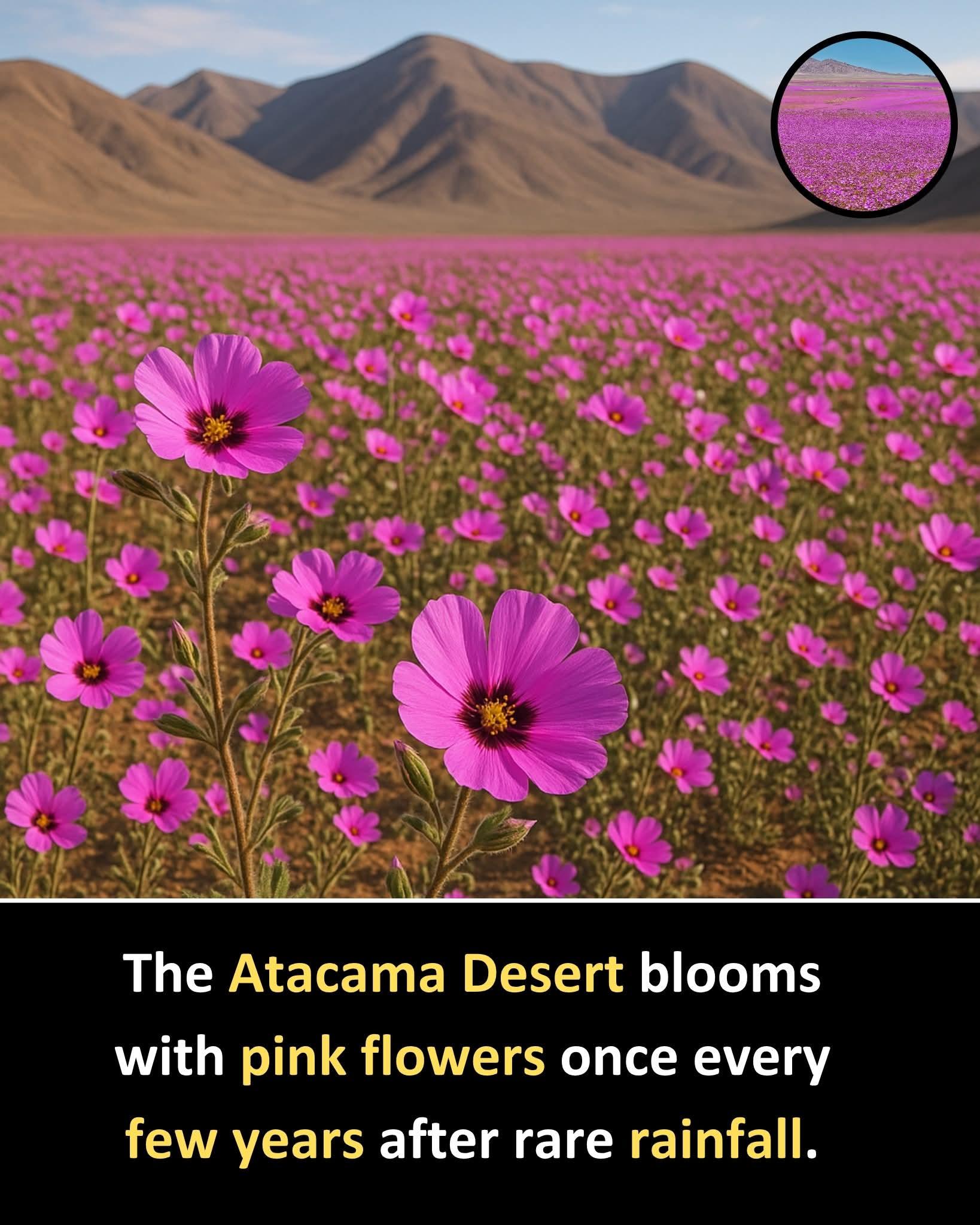
  • The Atacama Desert in northern Chile is known as one of the driest places on Earth, with some regions going decades without measurable rainfall. Yet, in a rare and breathtaking phenomenon, this barren landscape can transform into a vibrant field of pink and purple flowers when rainfall finally graces the region. This event, called the "desierto florido" or "flowering desert," typically occurs once every five to seven years when El Niño conditions bring unusually high precipitation.

    The seeds of native wildflowers like *Cistanthe longiscapa* lie dormant beneath the desert floor, waiting for moisture. When rain finally arrives, these seeds rapidly germinate and bloom, carpeting the desert in stunning colors for just a few weeks. The spectacle not only attracts scientists and photographers from around the world but also supports local biodiversity by boosting populations of insects, birds, and small animals. It’s a powerful reminder of nature’s resilience and beauty.
    The Atacama Desert in northern Chile is known as one of the driest places on Earth, with some regions going decades without measurable rainfall. Yet, in a rare and breathtaking phenomenon, this barren landscape can transform into a vibrant field of pink and purple flowers when rainfall finally graces the region. This event, called the "desierto florido" or "flowering desert," typically occurs once every five to seven years when El Niño conditions bring unusually high precipitation. The seeds of native wildflowers like *Cistanthe longiscapa* lie dormant beneath the desert floor, waiting for moisture. When rain finally arrives, these seeds rapidly germinate and bloom, carpeting the desert in stunning colors for just a few weeks. The spectacle not only attracts scientists and photographers from around the world but also supports local biodiversity by boosting populations of insects, birds, and small animals. It’s a powerful reminder of nature’s resilience and beauty.
    Love
    1
    0 Комментарии 0 Поделились 460 Просмотры
  • 🌍 A quake so powerful, it shook the entire Pacific.

    It all began on July 30, at ~11:24 a.m. PETT (23:24 UTC Jul 29) when a powerful 8.8 magnitude earthquake struck off Russia’s Kamchatka Peninsula, unleashing tsunami waves that raced across the Pacific at jet-like speeds. From Japan to Hawaii, Chile to California, coastlines went on high alert.

    The quake originated about 118 kilometers southeast of Petropavlovsk-Kamchatsky, at a depth of approximately 19 kilometers. It was initially reported as magnitude 8.0 but later upgraded to 8.8—placing it among the six strongest earthquakes ever recorded.

    This wasn’t just a regional event. It set off a tsunami that raced across the Pacific Ocean, prompting tsunami warnings for over 40 countries across four continents. That level of global alert hasn't been seen since the 2004 Indian Ocean tsunami—but even then, the warnings weren’t as Pacific-wide.

    This quake occurred in the Kuril-Kamchatka Trench, where the Pacific Plate dives beneath the Okhotsk Plate. It’s part of the Pacific Ring of Fire, Earth’s most seismically active zone. Because the earthquake was shallow and along a subduction zone, it violently displaced the seafloor—pushing a massive wall of water outward in all directions.

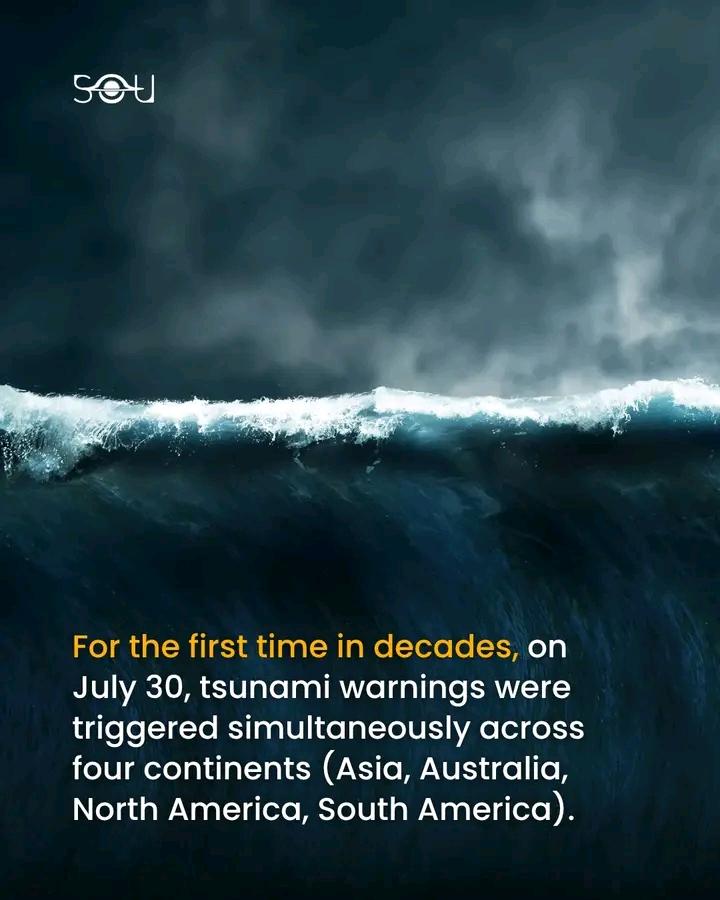
    This was the first time in decades that tsunami alerts were issued across Asia, Oceania, North America, and South America simultaneously. In total, over 100 million people were placed under some form of tsunami advisory or warning.

    The earthquake triggered dozens of aftershocks, including one measuring 6.9, further heightening concerns of secondary quakes or tsunamis. Fortunately, due to improved global early warning systems developed after previous disasters, mass casualties were largely avoided.
    🌍 A quake so powerful, it shook the entire Pacific. It all began on July 30, at ~11:24 a.m. PETT (23:24 UTC Jul 29) when a powerful 8.8 magnitude earthquake struck off Russia’s Kamchatka Peninsula, unleashing tsunami waves that raced across the Pacific at jet-like speeds. From Japan to Hawaii, Chile to California, coastlines went on high alert. The quake originated about 118 kilometers southeast of Petropavlovsk-Kamchatsky, at a depth of approximately 19 kilometers. It was initially reported as magnitude 8.0 but later upgraded to 8.8—placing it among the six strongest earthquakes ever recorded. This wasn’t just a regional event. It set off a tsunami that raced across the Pacific Ocean, prompting tsunami warnings for over 40 countries across four continents. That level of global alert hasn't been seen since the 2004 Indian Ocean tsunami—but even then, the warnings weren’t as Pacific-wide. This quake occurred in the Kuril-Kamchatka Trench, where the Pacific Plate dives beneath the Okhotsk Plate. It’s part of the Pacific Ring of Fire, Earth’s most seismically active zone. Because the earthquake was shallow and along a subduction zone, it violently displaced the seafloor—pushing a massive wall of water outward in all directions. This was the first time in decades that tsunami alerts were issued across Asia, Oceania, North America, and South America simultaneously. In total, over 100 million people were placed under some form of tsunami advisory or warning. The earthquake triggered dozens of aftershocks, including one measuring 6.9, further heightening concerns of secondary quakes or tsunamis. Fortunately, due to improved global early warning systems developed after previous disasters, mass casualties were largely avoided.
    0 Комментарии 0 Поделились 369 Просмотры
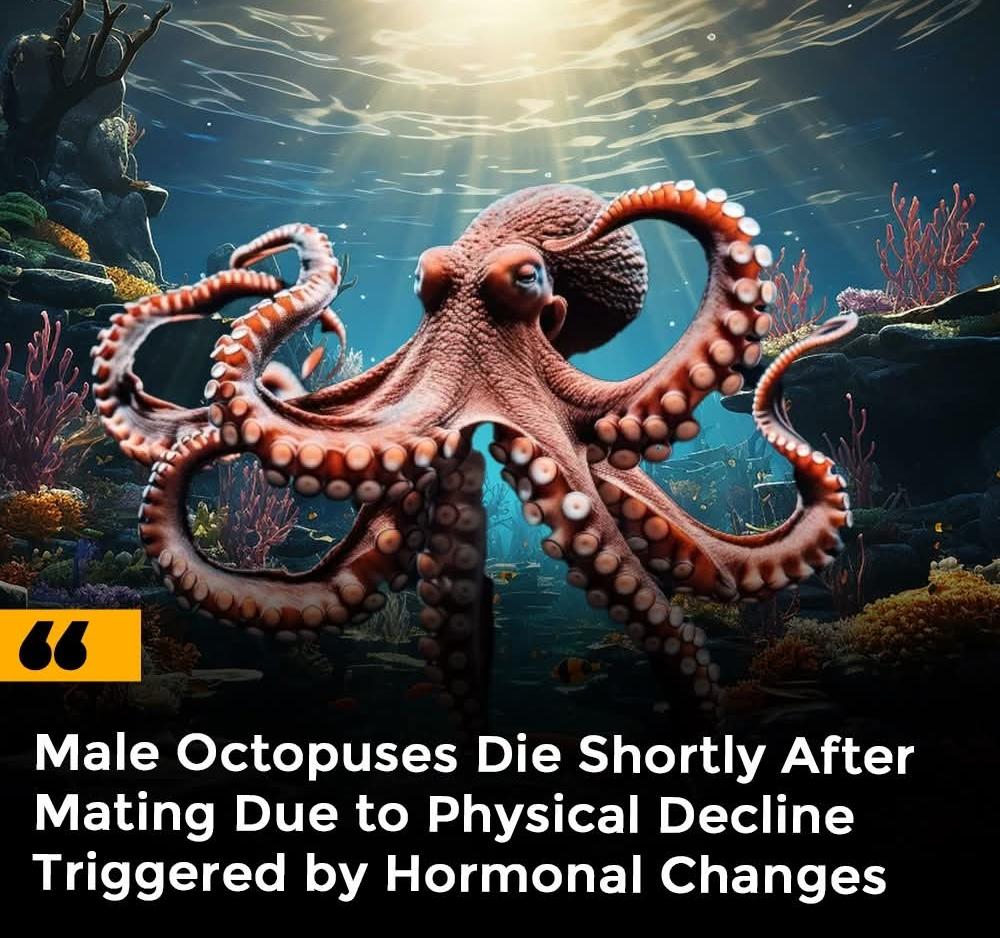
  • After mating, male octopuses enter a rapid decline, stopping eating, breaking down tissue, and even harming themselves. A hormone surge from the optic gland triggers this death spiral, ensuring they don’t outcompete their young. One mating, then the end.

    #OctopusFacts #AnimalBehavior #Senescence #MarineBiology #NatureCycles
    After mating, male octopuses enter a rapid decline, stopping eating, breaking down tissue, and even harming themselves. A hormone surge from the optic gland triggers this death spiral, ensuring they don’t outcompete their young. One mating, then the end. #OctopusFacts #AnimalBehavior #Senescence #MarineBiology #NatureCycles
    0 Комментарии 0 Поделились 418 Просмотры
  • কেনিয়ার রিফট ভ্যালির প্রত্যন্ত অঞ্চলের কেরিকো মিক্সড ডে সেকেন্ডারি স্কুলে শিক্ষকতা করেন পিটার তাবিচি। সেখানে শত শত শিক্ষার্থীর জন্য বরাদ্দ ছিল মাত্র একটি কম্পিউটার, শিক্ষক-শিক্ষার্থীর অনুপাত ১:৫৮, এবং ছাত্র-ছাত্রীদের আর্থিক অবস্থা এতটাই খারাপ যে তারা কলম, খাতা, খাবার- কিছুই কেনার সামর্থ্য রাখে না।

    কিন্তু পিটার তাবিচি ভিন্ন ধাতুতে গড়া একজন মানুষ। তিনি নিজের বেতনের ৮০ ভাগ দিয়ে শিক্ষার্থীদের জন্য ইউনিফর্ম, বই আর খাবারের ব্যবস্থা করতেন। তার নিঃস্বার্থ মনোভাব ও আত্মত্যাগ পুরো স্কুলের চেহারাই বদলে দিয়েছে।

    তার শিক্ষার্থীরা জাতীয় পরীক্ষায় কৃতিত্ব অর্জন করেছে, এমনকি আন্তর্জাতিক নানা বিজ্ঞান বিষয়ক প্রতিযোগিতায় অংশ নিয়েও অপ্রত্যাশিতভাবে অন্যদের পেছনে ফেলে সাফল্য লাভ করেছে।

    এই অসাধারণ অবদানের জন্য ২০১৯ সালে পিটার তাবিচি পান গ্লোবাল টিচার প্রাইজ, বিশ্বের অন্যতম মর্যাদাপূর্ণ ১ মিলিয়ন ডলারের পুরস্কার, যা শ্রেষ্ঠ শিক্ষকের স্বীকৃতিস্বরূপ দেওয়া হয়।

    দুবাইয়ে আয়োজিত এই পুরস্কার প্রদান অনুষ্ঠান শুধুমাত্র একজন শিক্ষকের অর্জনের স্বীকৃতিই দেয়নি, বরং প্রমাণ করেছে- যখন একজন শিক্ষক তার শিক্ষার্থীদের উপর ভরসা রাখেন, তাদের নিঃস্বার্থভাবে ভালোবাসেন ও তাদের জন্যই লড়াই করেন, তখন আসলে যেকোনো প্রতিবন্ধকতা জয় করা সম্ভব।
    .
    .
    #itihaser_golpo #itihasergolpo #PeterTabichi #schoollife #schooldays #teacherlife
    কেনিয়ার রিফট ভ্যালির প্রত্যন্ত অঞ্চলের কেরিকো মিক্সড ডে সেকেন্ডারি স্কুলে শিক্ষকতা করেন পিটার তাবিচি। সেখানে শত শত শিক্ষার্থীর জন্য বরাদ্দ ছিল মাত্র একটি কম্পিউটার, শিক্ষক-শিক্ষার্থীর অনুপাত ১:৫৮, এবং ছাত্র-ছাত্রীদের আর্থিক অবস্থা এতটাই খারাপ যে তারা কলম, খাতা, খাবার- কিছুই কেনার সামর্থ্য রাখে না। কিন্তু পিটার তাবিচি ভিন্ন ধাতুতে গড়া একজন মানুষ। তিনি নিজের বেতনের ৮০ ভাগ দিয়ে শিক্ষার্থীদের জন্য ইউনিফর্ম, বই আর খাবারের ব্যবস্থা করতেন। তার নিঃস্বার্থ মনোভাব ও আত্মত্যাগ পুরো স্কুলের চেহারাই বদলে দিয়েছে। তার শিক্ষার্থীরা জাতীয় পরীক্ষায় কৃতিত্ব অর্জন করেছে, এমনকি আন্তর্জাতিক নানা বিজ্ঞান বিষয়ক প্রতিযোগিতায় অংশ নিয়েও অপ্রত্যাশিতভাবে অন্যদের পেছনে ফেলে সাফল্য লাভ করেছে। এই অসাধারণ অবদানের জন্য ২০১৯ সালে পিটার তাবিচি পান গ্লোবাল টিচার প্রাইজ, বিশ্বের অন্যতম মর্যাদাপূর্ণ ১ মিলিয়ন ডলারের পুরস্কার, যা শ্রেষ্ঠ শিক্ষকের স্বীকৃতিস্বরূপ দেওয়া হয়। দুবাইয়ে আয়োজিত এই পুরস্কার প্রদান অনুষ্ঠান শুধুমাত্র একজন শিক্ষকের অর্জনের স্বীকৃতিই দেয়নি, বরং প্রমাণ করেছে- যখন একজন শিক্ষক তার শিক্ষার্থীদের উপর ভরসা রাখেন, তাদের নিঃস্বার্থভাবে ভালোবাসেন ও তাদের জন্যই লড়াই করেন, তখন আসলে যেকোনো প্রতিবন্ধকতা জয় করা সম্ভব। . . #itihaser_golpo #itihasergolpo #PeterTabichi #schoollife #schooldays #teacherlife
    0 Комментарии 0 Поделились 431 Просмотры
  • In 2022, Google quietly wired Apple a mind-blowing $20 billion. There was no scandal. No lawsuit. No broken systems. Just one of the most strategic, low-key deals in the history of tech.

    And yet, most people don’t even know it happened.

    All Google wanted was one thing—to remain the default search engine on every iPhone, iPad, and MacBook around the world. That’s it. One slot. One silent placement that gave Google access to more than half the world’s mobile traffic.

    That deal, that little setting most users never even change, fuels over a third of Google’s mobile ad revenue. Because when you open Safari and search something, it’s Google that serves the result. And Apple? Well, they collect a massive cut of that cash.

    Back in 2014, this deal was just $1 billion. But as the stakes rose and iPhones spread across the globe, the price tag climbed with them. Fast forward a few years, and Google is paying Apple between $18 to $20 billion every single year. That’s not just pocket change—that’s more than the GDP of some countries.

    Behind the scenes, this partnership is so valuable that Google considers losing it a “Code Red” event. They literally have internal crisis drills in case Apple ever walks away. On the flip side, Apple makes so much from this single partnership that some say it covers nearly 20% of its operating income.

    What makes it even more fascinating is that Apple doesn’t even offer its own search engine. And despite being tech rivals in public, Apple continues to call Google the “best search engine” while raking in billions.

    When Microsoft tried to get in on the deal, offering Apple 90% of Bing ad revenue, Apple didn’t even flinch. They stayed with Google. Not because they love them. But because the deal works—and it's invisible to most users.

    This quiet alliance isn’t just lucrative—it’s also controversial. U.S. regulators have opened antitrust lawsuits over this deal, arguing that it locks out competition and gives Google unfair dominance. But while the courts argue, the checks keep clearing.

    For entrepreneurs and founders, this story holds powerful lessons.

    Google didn’t pay for ads. They paid for position.

    And that position—being the default—unlocked one of the most valuable revenue streams in modern tech. Sometimes in business, the best seat at the table is not the loudest one. It’s the one people overlook. It’s the one baked into habit.

    It also shows that traffic is the new gold. Not the app. Not the content. But the ability to direct and control where attention flows. Apple could have built their own search engine. But they didn’t need to. Letting someone else win—while getting paid billions—is a different kind of power.

    We often think business success comes from being loud, innovative, or disruptive. But sometimes, the real power lies in quiet control. In unseen agreements. In being the one who decides what happens next—not necessarily the one who builds it.

    And so, two of the biggest tech giants, who seem like enemies on the surface, are actually tied together in one of the smartest, most profitable deals ever made.

    It’s a silent alliance. A strategic position. And a masterclass in how power really works in the modern world.

    Let it sink in: Google pays Apple billions… just to stay in your search bar.

    That’s the level of positioning every entrepreneur should aim for.

    Not just to be seen—but to be default.

    It does appear there is a pawn in this game. Can you guess who it is?

    #GoogleAppleDeal
    #TechStrategy
    #AntitrustRealities
    #DefaultPosition
    #TrafficMonopoly
    #DigitalPowerPlays
    #BusinessLessons
    #StartupWisdom
    #PlatformThinking
    #EntrepreneurMindset
    Kachi Ogbonna
    In 2022, Google quietly wired Apple a mind-blowing $20 billion. There was no scandal. No lawsuit. No broken systems. Just one of the most strategic, low-key deals in the history of tech. And yet, most people don’t even know it happened. All Google wanted was one thing—to remain the default search engine on every iPhone, iPad, and MacBook around the world. That’s it. One slot. One silent placement that gave Google access to more than half the world’s mobile traffic. That deal, that little setting most users never even change, fuels over a third of Google’s mobile ad revenue. Because when you open Safari and search something, it’s Google that serves the result. And Apple? Well, they collect a massive cut of that cash. Back in 2014, this deal was just $1 billion. But as the stakes rose and iPhones spread across the globe, the price tag climbed with them. Fast forward a few years, and Google is paying Apple between $18 to $20 billion every single year. That’s not just pocket change—that’s more than the GDP of some countries. Behind the scenes, this partnership is so valuable that Google considers losing it a “Code Red” event. They literally have internal crisis drills in case Apple ever walks away. On the flip side, Apple makes so much from this single partnership that some say it covers nearly 20% of its operating income. What makes it even more fascinating is that Apple doesn’t even offer its own search engine. And despite being tech rivals in public, Apple continues to call Google the “best search engine” while raking in billions. When Microsoft tried to get in on the deal, offering Apple 90% of Bing ad revenue, Apple didn’t even flinch. They stayed with Google. Not because they love them. But because the deal works—and it's invisible to most users. This quiet alliance isn’t just lucrative—it’s also controversial. U.S. regulators have opened antitrust lawsuits over this deal, arguing that it locks out competition and gives Google unfair dominance. But while the courts argue, the checks keep clearing. For entrepreneurs and founders, this story holds powerful lessons. Google didn’t pay for ads. They paid for position. And that position—being the default—unlocked one of the most valuable revenue streams in modern tech. Sometimes in business, the best seat at the table is not the loudest one. It’s the one people overlook. It’s the one baked into habit. It also shows that traffic is the new gold. Not the app. Not the content. But the ability to direct and control where attention flows. Apple could have built their own search engine. But they didn’t need to. Letting someone else win—while getting paid billions—is a different kind of power. We often think business success comes from being loud, innovative, or disruptive. But sometimes, the real power lies in quiet control. In unseen agreements. In being the one who decides what happens next—not necessarily the one who builds it. And so, two of the biggest tech giants, who seem like enemies on the surface, are actually tied together in one of the smartest, most profitable deals ever made. It’s a silent alliance. A strategic position. And a masterclass in how power really works in the modern world. Let it sink in: Google pays Apple billions… just to stay in your search bar. That’s the level of positioning every entrepreneur should aim for. Not just to be seen—but to be default. It does appear there is a pawn in this game. Can you guess who it is? #GoogleAppleDeal #TechStrategy #AntitrustRealities #DefaultPosition #TrafficMonopoly #DigitalPowerPlays #BusinessLessons #StartupWisdom #PlatformThinking #EntrepreneurMindset Kachi Ogbonna
    0 Комментарии 0 Поделились 592 Просмотры
  • In 1998, Yahoo made the most expensive mistake in corporate history.

    Two kids begged them to buy their tiny website for $1m.

    But Yahoo’s CEO called it "a waste of time".

    11 years later, those kids wiped Yahoo off the internet.

    Here’s the shocking story of Yahoo's downfall.

    1994, Yahoo started as a college project I
    A website built to help people find information online.

    By 1996, it became the largest online platform at a $33.8M valuation.

    They had the users, the hype, and the cash.
    But cracks were forming…

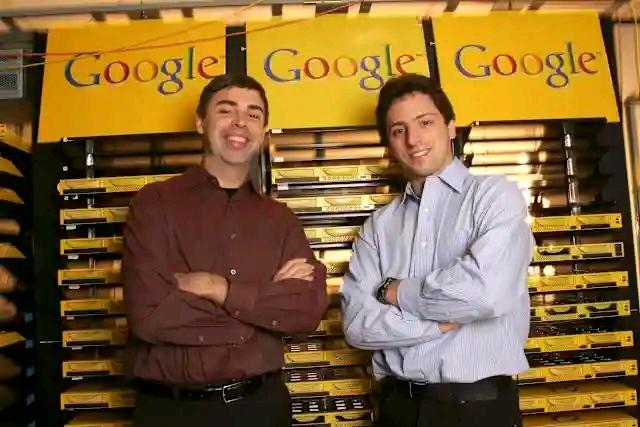
    Then in 1998, two Stanford students, Larry Page and Sergey Brin, built a revolutionary search engine.

    Their algorithm made Yahoo’s search look ancient.

    Unlike Yahoo’s directory-style listings, where human editors manually organized websites,

    These guys built something different.

    Their secret sauce? PageRank.

    Instead of just matching keywords, their algorithm ranked websites based on how many other sites linked to them, like academic citations.

    The more links a site had, especially from other credible pages, the higher it ranked.

    The result? Faster, smarter, more relevant search results.

    They named it Google.

    And when they offered to sell it to Yahoo for just $1 million, Yahoo laughed.

    “Search isn’t our focus,” they said.

    They had no idea that tiny algorithm would become their executioner.

    They turned it down, saying it wasn’t “worth their time.”

    But instead of killing the idea completely, Yahoo made the worst business decision in tech history

    They plugged Google search into Yahoo’s homepage.

    Their thinking? "Let users still come to Yahoo, but let Google handle the search behind the scenes."

    Smart in the short term.
    A catastrophe in the long run.

    Because here’s what happened:

    People LOVED Google

    It was fast, simple, and accurate, everything Yahoo search wasn’t.

    So each time someone used Yahoo, they were unknowingly falling in love with Google.

    Yahoo gave Google the exposure it needed to explode.

    And explode it did.

    Suddenly, Yahoo panicked.

    They came crawling back and offered to buy Google for $3 billion.

    But Google said, “Nah. We’re worth $5B now.”

    Yahoo laughed… and walked away again.

    Another trillion-dollar blunder, served cold with ego and regret.

    Still in denial, Yahoo doubled down.
    They decided to build their own walled ecosystem.

    They launched platforms for news, sports, shopping, and finance.

    They didn’t want to send users out, they wanted to keep them in.
    All in the name of ad revenue.

    Meanwhile, the internet exploded.
    Websites multiplied like wildfire.
    And Yahoo’s outdated, slow search system couldn’t keep up.

    So users did what users always do when something sucks:

    They left.

    They went to Google, where the search was smarter, cleaner, lightning-fast.
    No clutter. No noise. Just results.

    And then… Google played its masterstroke:

    AdWords.

    A genius idea: Businesses could bid to show up on Google search but only pay if someone clicks.

    Ads that felt natural. Relevant. Contextual.

    Every single search became a money machine.
    Google was printing cash.
    Advertisers loved it. Users didn’t mind it.

    Google didn’t just win search.
    They turned it into a business empire.

    While Yahoo? They were busy shopping.

    Buy every Tech. Company to remain relevant

    $5.7B for Broadcast com.
    $1.1B for Tumblr.
    Billions poured into acquisitions, most of them flops.

    They weren’t innovating.
    They were trying to buy relevance.

    But Google kept building: Gmail. Maps. Android. YouTube. Chrome.

    Every product was a hit.
    Every move, strategic. User-first.

    By 2009, Yahoo had had enough.

    They gave up on search completely.
    Handed it over to Microsoft.

    Let Bing take the wheel.

    Yes, Yahoo literally gave its core product to a competitor.

    That was the beginning of the end.

    In 2016, Yahoo was sold to Verizon for just $4.48 billion.
    A sad fall from a $125B peak.

    Once a titan. Now a tech ghost.

    So what really went wrong?

    Google had vision.

    They took bold bets. Focused on people. Played the long game.

    Yahoo was scattered.
    Short-sighted. Chasing quick wins and shiny distractions.

    In the end, Google didn’t just outperform Yahoo.
    They buried them.

    Because sometimes, playing it safe is the most dangerous move of all.

    Yahoo had the chance to buy Google twice.

    But they said no.

    And it cost them everything.

    So what can we learn from Yahoo’s downfall?

    Plenty.

    Here are the cold, hard lessons:

    - Never ignore innovation because it’s “too small.”
    That tiny idea you call a “waste of time” today could be your biggest threat tomorrow.

    - If you don't serve your users, someone else will.
    Yahoo chased ads. Google chased users. Guess who won?

    - Don’t fear disruption, own it.
    Yahoo was too comfortable. Too focused on preserving the old.
    Google rewrote the rules and owned the future.

    - Exposure is power.
    Yahoo thought they were “helping” Google by showing their results.
    They were unknowingly building their rival's brand on their own homepage.

    - You can’t outspend strategy.
    Yahoo thought buying companies was the answer.
    But real dominance is built, not bought.

    - Simplicity scales.
    While Yahoo was cluttered with portals and ads, Google kept it clean.
    Sometimes the simplest product wins.

    - Vision > Vanity.
    Google had a long-term vision.
    Yahoo wanted to look big fast.
    The difference? One is still around. The other is a tech relic.

    In business, it’s not about who starts first.
    It’s about who adapts, who listens, and who leads.

    Yahoo had the throne.
    But they gave it away twice.

    So remember this:

    The most expensive mistake in business isn’t doing the wrong thing.
    It’s ignoring the right one.

    #google
    #Yahoo
    #TechStories
    Tech Stories
    Ifeanyi Christopher

    In 1998, Yahoo made the most expensive mistake in corporate history. Two kids begged them to buy their tiny website for $1m. But Yahoo’s CEO called it "a waste of time". 11 years later, those kids wiped Yahoo off the internet. Here’s the shocking story of Yahoo's downfall. 1994, Yahoo started as a college project I A website built to help people find information online. By 1996, it became the largest online platform at a $33.8M valuation. They had the users, the hype, and the cash. But cracks were forming… Then in 1998, two Stanford students, Larry Page and Sergey Brin, built a revolutionary search engine. Their algorithm made Yahoo’s search look ancient. Unlike Yahoo’s directory-style listings, where human editors manually organized websites, These guys built something different. Their secret sauce? PageRank. Instead of just matching keywords, their algorithm ranked websites based on how many other sites linked to them, like academic citations. The more links a site had, especially from other credible pages, the higher it ranked. The result? Faster, smarter, more relevant search results. They named it Google. And when they offered to sell it to Yahoo for just $1 million, Yahoo laughed. “Search isn’t our focus,” they said. They had no idea that tiny algorithm would become their executioner. They turned it down, saying it wasn’t “worth their time.” But instead of killing the idea completely, Yahoo made the worst business decision in tech history They plugged Google search into Yahoo’s homepage. Their thinking? "Let users still come to Yahoo, but let Google handle the search behind the scenes." Smart in the short term. A catastrophe in the long run. Because here’s what happened: People LOVED Google It was fast, simple, and accurate, everything Yahoo search wasn’t. So each time someone used Yahoo, they were unknowingly falling in love with Google. Yahoo gave Google the exposure it needed to explode. And explode it did. Suddenly, Yahoo panicked. They came crawling back and offered to buy Google for $3 billion. But Google said, “Nah. We’re worth $5B now.” Yahoo laughed… and walked away again. Another trillion-dollar blunder, served cold with ego and regret. Still in denial, Yahoo doubled down. They decided to build their own walled ecosystem. They launched platforms for news, sports, shopping, and finance. They didn’t want to send users out, they wanted to keep them in. All in the name of ad revenue. Meanwhile, the internet exploded. Websites multiplied like wildfire. And Yahoo’s outdated, slow search system couldn’t keep up. So users did what users always do when something sucks: They left. They went to Google, where the search was smarter, cleaner, lightning-fast. No clutter. No noise. Just results. And then… Google played its masterstroke: AdWords. A genius idea: Businesses could bid to show up on Google search but only pay if someone clicks. Ads that felt natural. Relevant. Contextual. Every single search became a money machine. Google was printing cash. Advertisers loved it. Users didn’t mind it. Google didn’t just win search. They turned it into a business empire. While Yahoo? They were busy shopping. Buy every Tech. Company to remain relevant $5.7B for Broadcast com. $1.1B for Tumblr. Billions poured into acquisitions, most of them flops. They weren’t innovating. They were trying to buy relevance. But Google kept building: Gmail. Maps. Android. YouTube. Chrome. Every product was a hit. Every move, strategic. User-first. By 2009, Yahoo had had enough. They gave up on search completely. Handed it over to Microsoft. Let Bing take the wheel. Yes, Yahoo literally gave its core product to a competitor. That was the beginning of the end. In 2016, Yahoo was sold to Verizon for just $4.48 billion. A sad fall from a $125B peak. Once a titan. Now a tech ghost. So what really went wrong? Google had vision. They took bold bets. Focused on people. Played the long game. Yahoo was scattered. Short-sighted. Chasing quick wins and shiny distractions. In the end, Google didn’t just outperform Yahoo. They buried them. Because sometimes, playing it safe is the most dangerous move of all. Yahoo had the chance to buy Google twice. But they said no. And it cost them everything. So what can we learn from Yahoo’s downfall? Plenty. Here are the cold, hard lessons: - Never ignore innovation because it’s “too small.” That tiny idea you call a “waste of time” today could be your biggest threat tomorrow. - If you don't serve your users, someone else will. Yahoo chased ads. Google chased users. Guess who won? - Don’t fear disruption, own it. Yahoo was too comfortable. Too focused on preserving the old. Google rewrote the rules and owned the future. - Exposure is power. Yahoo thought they were “helping” Google by showing their results. They were unknowingly building their rival's brand on their own homepage. - You can’t outspend strategy. Yahoo thought buying companies was the answer. But real dominance is built, not bought. - Simplicity scales. While Yahoo was cluttered with portals and ads, Google kept it clean. Sometimes the simplest product wins. - Vision > Vanity. Google had a long-term vision. Yahoo wanted to look big fast. The difference? One is still around. The other is a tech relic. In business, it’s not about who starts first. It’s about who adapts, who listens, and who leads. Yahoo had the throne. But they gave it away twice. So remember this: The most expensive mistake in business isn’t doing the wrong thing. It’s ignoring the right one. #google #Yahoo #TechStories Tech Stories Ifeanyi Christopher

    0 Комментарии 0 Поделились 601 Просмотры
  • 🚨 Poland Strikes Energy Gold Beneath the Baltic! 🇵🇱⚡

    In a historic discovery near Świnoujście, Poland has identified its largest-ever conventional oil and gas reserve.

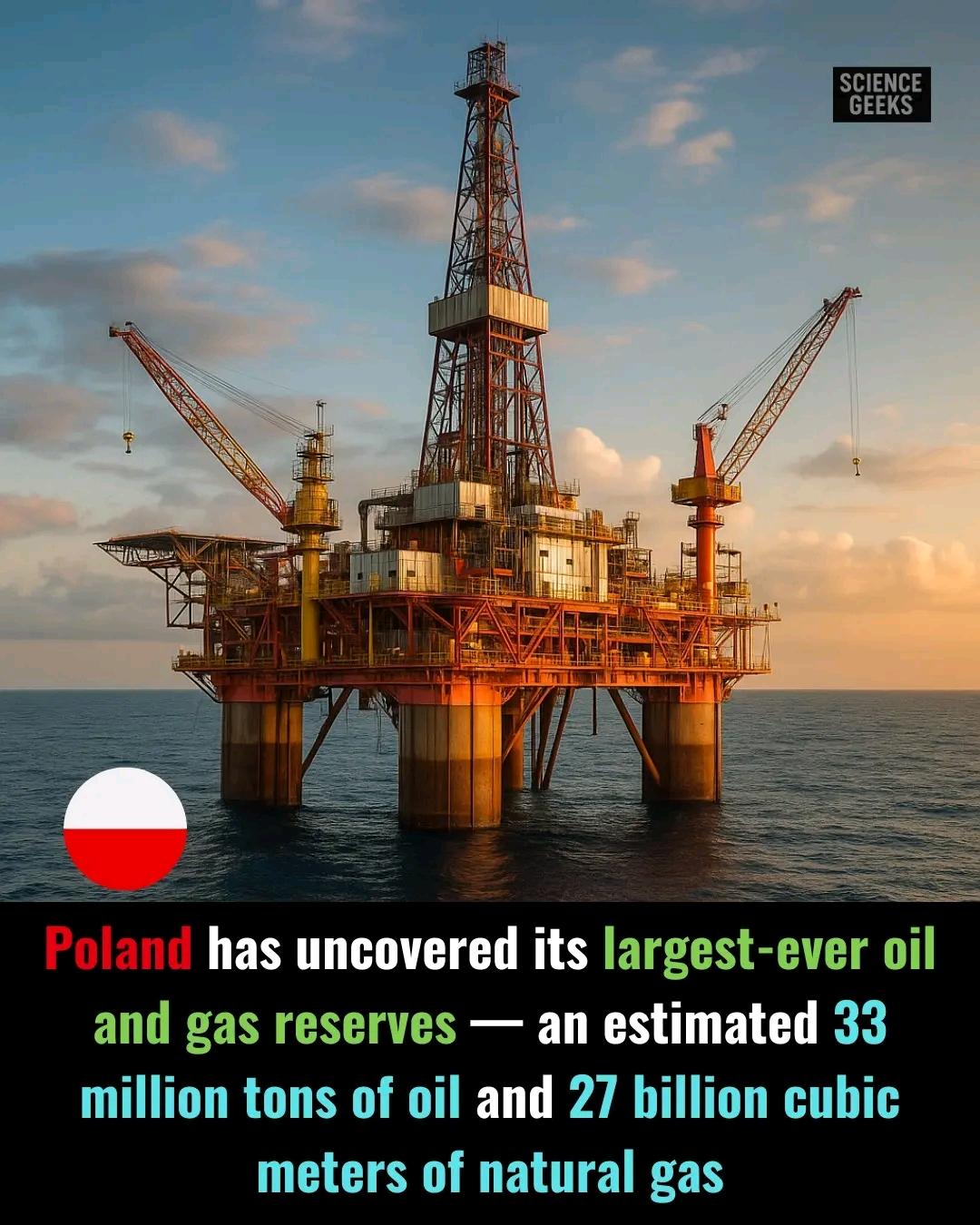
    Unearthed by Central European Petroleum (CEP), the site holds an estimated 33 million tonnes of crude oil and 27 billion cubic meters of natural gas — a find that could double the country’s oil reserves and increase gas reserves by 20%.

    This game-changing development is set to reduce Poland’s dependence on energy imports, strengthen national energy security, and shift the balance of regional power.

    Touted as one of Europe’s biggest hydrocarbon discoveries in a decade, it places Poland firmly on the map as a rising energy force.

    #PolandEnergy #BalticDiscovery #OilAndGas #EnergyIndependence #CEP #EuropeEnergy #NaturalResources #Polska #Geopolitics #BalticSea
    🚨 Poland Strikes Energy Gold Beneath the Baltic! 🇵🇱⚡ In a historic discovery near Świnoujście, Poland has identified its largest-ever conventional oil and gas reserve. Unearthed by Central European Petroleum (CEP), the site holds an estimated 33 million tonnes of crude oil and 27 billion cubic meters of natural gas — a find that could double the country’s oil reserves and increase gas reserves by 20%. This game-changing development is set to reduce Poland’s dependence on energy imports, strengthen national energy security, and shift the balance of regional power. Touted as one of Europe’s biggest hydrocarbon discoveries in a decade, it places Poland firmly on the map as a rising energy force. #PolandEnergy #BalticDiscovery #OilAndGas #EnergyIndependence #CEP #EuropeEnergy #NaturalResources #Polska #Geopolitics #BalticSea
    0 Комментарии 0 Поделились 452 Просмотры
  • 🌼 Dandelion root wipes out 95% of colon cancer cells in lab tests 🧬

    Could a common weed be a powerful cancer fighter?

    A groundbreaking study by the University of Windsor revealed that dandelion root extract (DRE) eliminated over 95% of colorectal cancer cells within 48 hours in laboratory conditions.

    Published in Oncotarget, the study found that DRE activates multiple cancer cell death pathways, indicating a complex and potent anticancer effect.

    Lead researcher Dr. Siyaram Pandey highlighted its rare ability to kill cancer cells without harming healthy ones—something conventional chemotherapy often cannot do.

    Why this matters:

    Low toxicity and naturally derived

    Targets only cancer cells

    Sparks new interest in plant-based cancer therapies

    Important caveat: These findings are from lab tests, not human clinical trials.
    “Most cells are dead within 48 hours,” said Pandey, “but that doesn’t mean patients will be cured in 48 hours.”

    Still, this research shines a light on the powerful potential of natural remedies and the urgent need for further clinical trials.

    #DandelionRoot #ColonCancer #CancerResearch #NaturalTherapy #ScienceNews #PlantPower #Oncotarget #UniversityOfWindsor #SiyaramPandey #MedicalBreakthrough #AlternativeMedicine #HopeThroughScience #NaturalCures #HealthInnovation
    🌼 Dandelion root wipes out 95% of colon cancer cells in lab tests 🧬 Could a common weed be a powerful cancer fighter? A groundbreaking study by the University of Windsor revealed that dandelion root extract (DRE) eliminated over 95% of colorectal cancer cells within 48 hours in laboratory conditions. Published in Oncotarget, the study found that DRE activates multiple cancer cell death pathways, indicating a complex and potent anticancer effect. Lead researcher Dr. Siyaram Pandey highlighted its rare ability to kill cancer cells without harming healthy ones—something conventional chemotherapy often cannot do. Why this matters: Low toxicity and naturally derived Targets only cancer cells Sparks new interest in plant-based cancer therapies Important caveat: These findings are from lab tests, not human clinical trials. “Most cells are dead within 48 hours,” said Pandey, “but that doesn’t mean patients will be cured in 48 hours.” Still, this research shines a light on the powerful potential of natural remedies and the urgent need for further clinical trials. #DandelionRoot #ColonCancer #CancerResearch #NaturalTherapy #ScienceNews #PlantPower #Oncotarget #UniversityOfWindsor #SiyaramPandey #MedicalBreakthrough #AlternativeMedicine #HopeThroughScience #NaturalCures #HealthInnovation
    0 Комментарии 0 Поделились 763 Просмотры
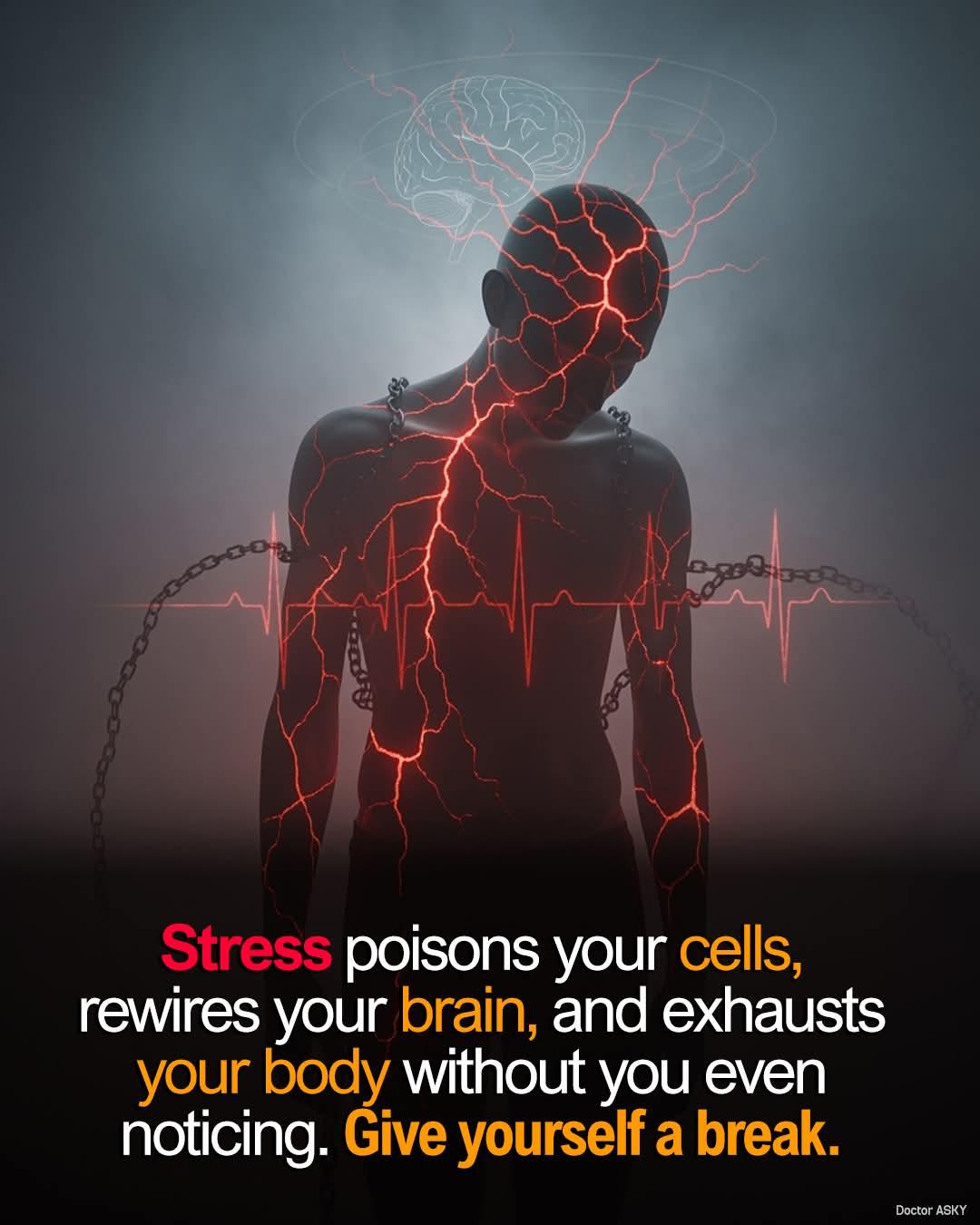
  • Stress, anxiety, overworking, and overthinking don’t just drain you mentally—they silently disrupt nearly every system in your body. Constant mental pressure floods the brain with cortisol, the main stress hormone. Over time, this shrinks the hippocampus (memory and learning) and weakens the prefrontal cortex (decision-making and emotional control). Anxiety keeps your brain stuck in survival mode, making it harder to focus, sleep, or think clearly. Mood swings, panic attacks, or emotional numbness often follow.

    This pressure doesn’t stop at the brain. It reaches your heart and blood vessels, raising blood pressure and heart rate. The arteries become inflamed, increasing the risk of clots, plaque buildup, strokes, and heart disease. Over time, this can quietly erode cardiovascular health.

    On a cellular level, stress shortens telomeres—the protective caps on DNA—accelerating aging. The immune system weakens, making it harder to fight illness or recover. Chronic inflammation from stress raises the risk of autoimmune issues, cancer, and other serious conditions. Free radicals multiply, damaging cells and organs over time.

    Your gut suffers too. Stress disrupts digestion, causing cramps, bloating, or irregular bowel movements. It can damage the gut lining, triggering leaky gut, inflammation, and food sensitivities. Appetite swings between cravings and total loss can lead to fatigue and nutrient imbalances.

    Hormones fall out of balance. Sleep becomes difficult, and stress affects thyroid, reproductive, and insulin levels. This can lead to weight gain, fatigue, acne, missed periods, low libido, or even diabetes. Muscles stay tense, bones weaken, and skin may dull or break out due to cortisol’s effects.

    Left unchecked, this leads to burnout—emotional, mental, and physical collapse. The risk of Alzheimer’s, heart disease, and chronic illnesses grows. Brain function slows, emotions numb, and life begins to feel like survival.

    But healing is possible. Your well-being matters more than your to-do list. You are precious. Please take a moment to breathe, rest, and care for yourself. Nothing is more important than you. ❤
    Stress, anxiety, overworking, and overthinking don’t just drain you mentally—they silently disrupt nearly every system in your body. Constant mental pressure floods the brain with cortisol, the main stress hormone. Over time, this shrinks the hippocampus (memory and learning) and weakens the prefrontal cortex (decision-making and emotional control). Anxiety keeps your brain stuck in survival mode, making it harder to focus, sleep, or think clearly. Mood swings, panic attacks, or emotional numbness often follow. This pressure doesn’t stop at the brain. It reaches your heart and blood vessels, raising blood pressure and heart rate. The arteries become inflamed, increasing the risk of clots, plaque buildup, strokes, and heart disease. Over time, this can quietly erode cardiovascular health. On a cellular level, stress shortens telomeres—the protective caps on DNA—accelerating aging. The immune system weakens, making it harder to fight illness or recover. Chronic inflammation from stress raises the risk of autoimmune issues, cancer, and other serious conditions. Free radicals multiply, damaging cells and organs over time. Your gut suffers too. Stress disrupts digestion, causing cramps, bloating, or irregular bowel movements. It can damage the gut lining, triggering leaky gut, inflammation, and food sensitivities. Appetite swings between cravings and total loss can lead to fatigue and nutrient imbalances. Hormones fall out of balance. Sleep becomes difficult, and stress affects thyroid, reproductive, and insulin levels. This can lead to weight gain, fatigue, acne, missed periods, low libido, or even diabetes. Muscles stay tense, bones weaken, and skin may dull or break out due to cortisol’s effects. Left unchecked, this leads to burnout—emotional, mental, and physical collapse. The risk of Alzheimer’s, heart disease, and chronic illnesses grows. Brain function slows, emotions numb, and life begins to feel like survival. But healing is possible. Your well-being matters more than your to-do list. You are precious. Please take a moment to breathe, rest, and care for yourself. Nothing is more important than you. ❤
    0 Комментарии 0 Поделились 412 Просмотры
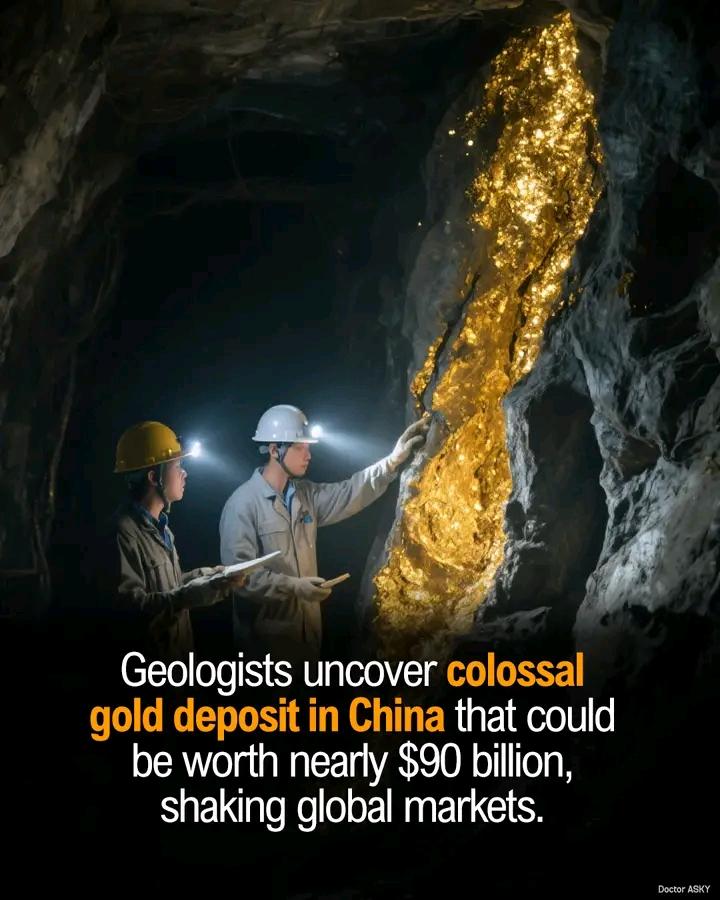
  • Geologists in China have stumbled upon what might be one of the largest gold treasures ever found, and it’s already sending ripples through global markets. This “supergiant” gold ore deposit was discovered in November 2024 deep underground in Hunan Province. Early surveys revealed an incredible 330 tons of gold spread across more than 40 veins reaching depths of about 6,600 feet.

    But when researchers dug deeper — quite literally — using advanced 3D computer models, they estimated this reserve could actually hold up to a staggering 1,100 tons of gold at depths close to 9,800 feet. That would make it even bigger than South Africa’s famous South Deep mine, long considered the world’s largest known gold reserve. Valued at roughly $83 billion (or 600 billion yuan), the discovery is a game changer for China, which already leads global gold production but still imports heavily due to its enormous appetite for the precious metal.

    Core samples from the site are particularly promising, with some showing as much as 138 grams of gold per metric ton — that’s a very rich concentration by mining standards. While some experts are cautious, questioning the practical ability to extract all that gold, the initial find was enough to send global gold prices soaring to around $2,700 an ounce. Even though this massive stash would only cover China’s gold needs for less than two years, it’s still a monumental find that could reshape the country’s mining landscape. This discovery was led by geologists from the Geological Bureau of Hunan Province.
    Geologists in China have stumbled upon what might be one of the largest gold treasures ever found, and it’s already sending ripples through global markets. This “supergiant” gold ore deposit was discovered in November 2024 deep underground in Hunan Province. Early surveys revealed an incredible 330 tons of gold spread across more than 40 veins reaching depths of about 6,600 feet. But when researchers dug deeper — quite literally — using advanced 3D computer models, they estimated this reserve could actually hold up to a staggering 1,100 tons of gold at depths close to 9,800 feet. That would make it even bigger than South Africa’s famous South Deep mine, long considered the world’s largest known gold reserve. Valued at roughly $83 billion (or 600 billion yuan), the discovery is a game changer for China, which already leads global gold production but still imports heavily due to its enormous appetite for the precious metal. Core samples from the site are particularly promising, with some showing as much as 138 grams of gold per metric ton — that’s a very rich concentration by mining standards. While some experts are cautious, questioning the practical ability to extract all that gold, the initial find was enough to send global gold prices soaring to around $2,700 an ounce. Even though this massive stash would only cover China’s gold needs for less than two years, it’s still a monumental find that could reshape the country’s mining landscape. This discovery was led by geologists from the Geological Bureau of Hunan Province.
    Wow
    2
    0 Комментарии 0 Поделились 265 Просмотры
Расширенные страницы
BlackBird Ai
https://bbai.shop