


• At the deepest level, you are a cosmic miracle. Your body is made up of about 7,000,000,000,000,000,000,000,000,000,000 (7 octillion) atoms each one forged in the hearts of ancient stars and supernovae billions of years ago.

    Every atom in you carbon, oxygen, calcium, iron traveled an epic journey across the universe before coming together to make you.

    This means you’re not just in the universe you are the universe, expressing itself as a living, breathing human form. The atoms in your body have seen cosmic explosions, danced in nebulae, and helped build worlds before ever becoming a part of you. When you look at your hands, your heart, your very thoughts, you’re witnessing the universe reflecting on itself.

    It’s a humbling and awe-inspiring thought: we are star-stuff, walking and wondering, living proof that the cosmos itself is alive with possibility.

    📸 Credit: Physics and astronomy research, Carl Sagan’s “star stuff” quote, and atomic structure studies.
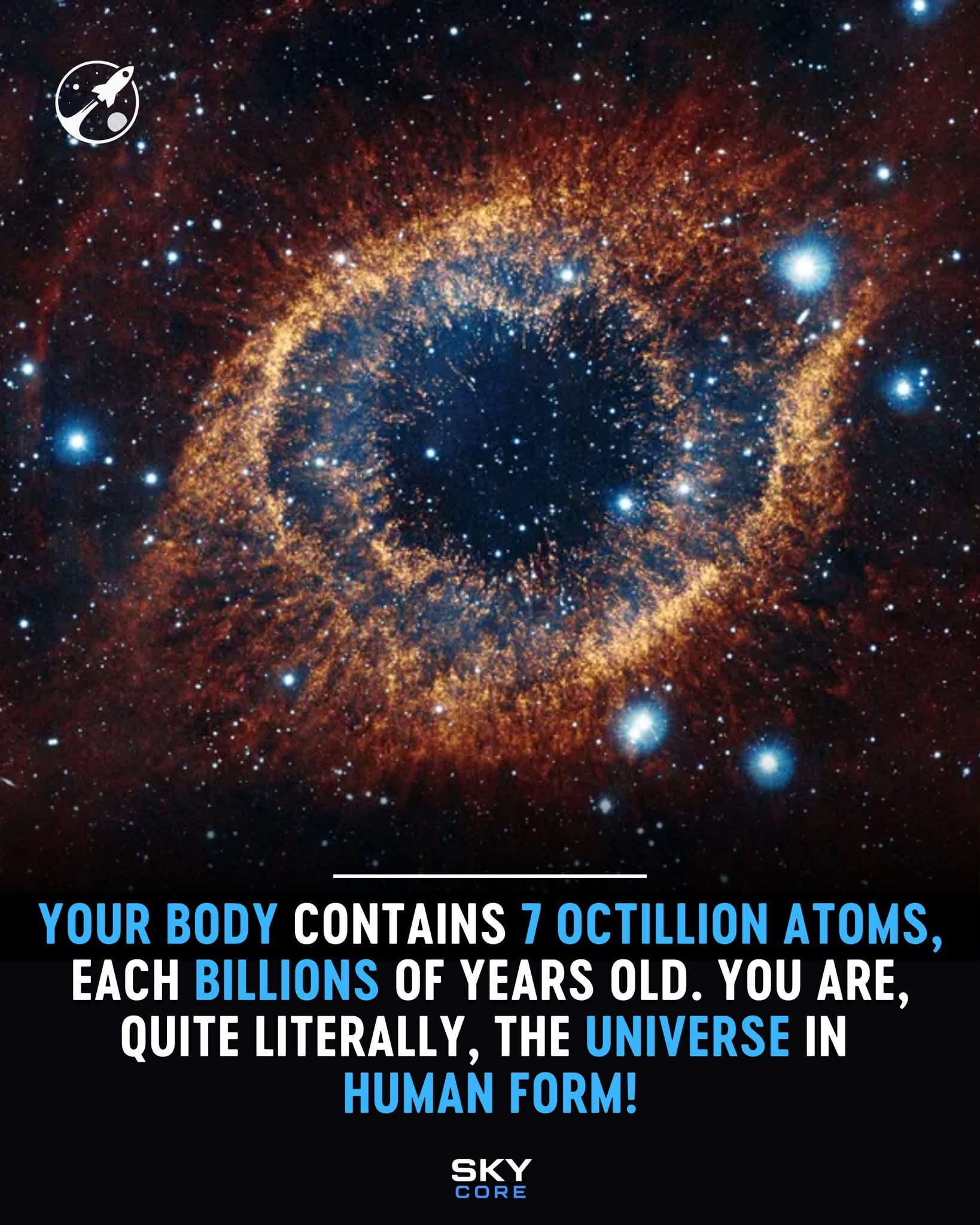
    At the deepest level, you are a cosmic miracle. Your body is made up of about 7,000,000,000,000,000,000,000,000,000,000 (7 octillion) atoms each one forged in the hearts of ancient stars and supernovae billions of years ago. Every atom in you carbon, oxygen, calcium, iron traveled an epic journey across the universe before coming together to make you. This means you’re not just in the universe you are the universe, expressing itself as a living, breathing human form. The atoms in your body have seen cosmic explosions, danced in nebulae, and helped build worlds before ever becoming a part of you. When you look at your hands, your heart, your very thoughts, you’re witnessing the universe reflecting on itself. It’s a humbling and awe-inspiring thought: we are star-stuff, walking and wondering, living proof that the cosmos itself is alive with possibility. 📸 Credit: Physics and astronomy research, Carl Sagan’s “star stuff” quote, and atomic structure studies.
    0 Commentaires 0 Parts 502 Vue
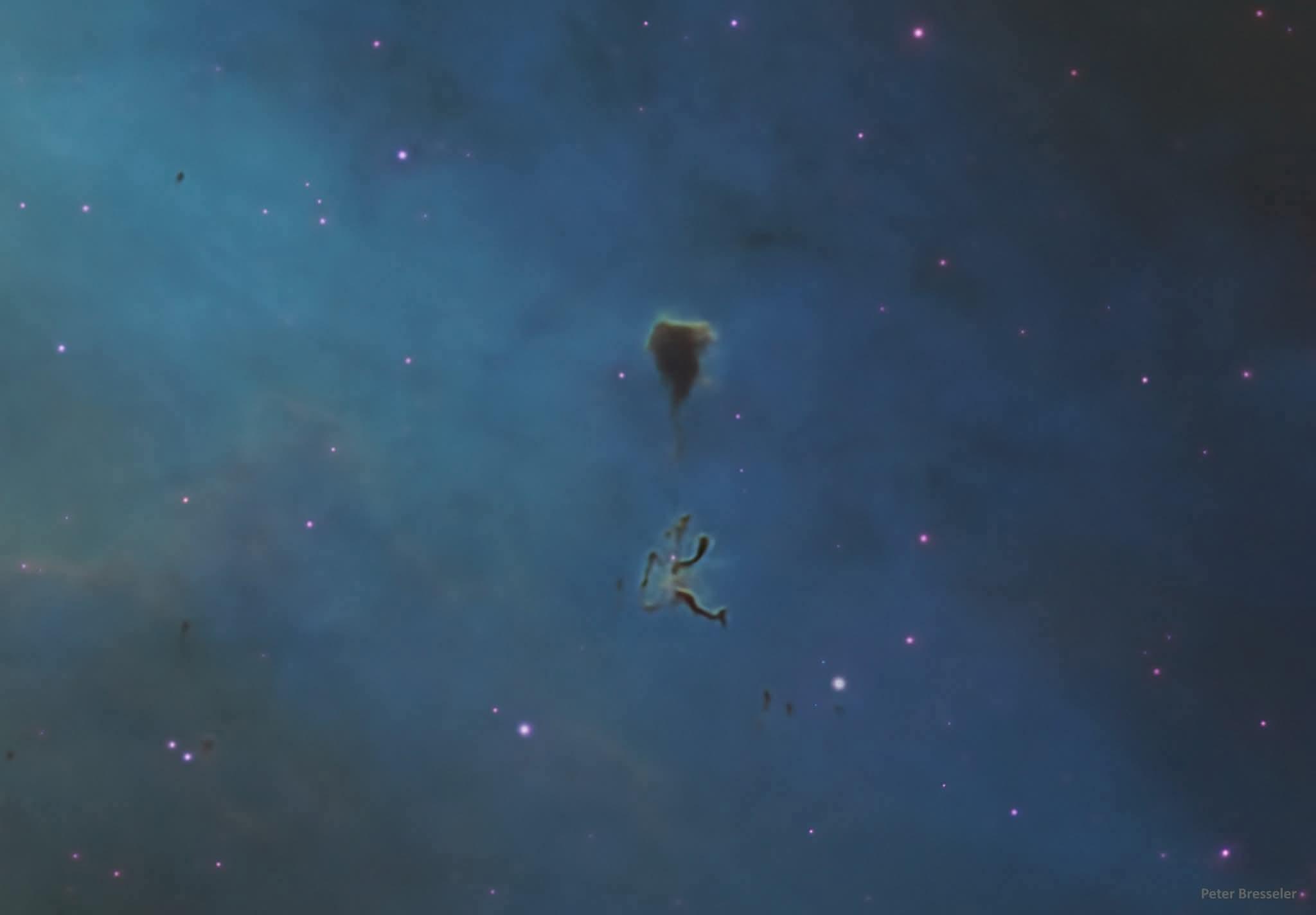
  • 🌌 A small, dark, nebula looks isolated near the center of this telescopic close-up. The wedge-shaped cosmic cloudlet lies within a relatively crowded region of space though. About 7,000 light-years distant and filled with glowing gas and an embedded cluster of young stars, the region is known as M16 or the Eagle Nebula. Hubble's iconic images of the Eagle Nebula include the famous star-forming Pillars of Creation, towering structures of interstellar gas and dust 4 to 5 light-years long. But this small dark nebula, known to some as a Bok globule, is a fraction of a light-year across. The Bok globule stands out in silhouette against the expansive background of M16's diffuse glow. Found scattered within emission nebulae and star clusters, Bok globules are small interstellar clouds of cold molecular gas and obscuring dust that also form stars within their dense, collapsing cores.

    #SpaceExploration #spacephotography #spacefacts #nebula
    🌌 A small, dark, nebula looks isolated near the center of this telescopic close-up. The wedge-shaped cosmic cloudlet lies within a relatively crowded region of space though. About 7,000 light-years distant and filled with glowing gas and an embedded cluster of young stars, the region is known as M16 or the Eagle Nebula. Hubble's iconic images of the Eagle Nebula include the famous star-forming Pillars of Creation, towering structures of interstellar gas and dust 4 to 5 light-years long. But this small dark nebula, known to some as a Bok globule, is a fraction of a light-year across. The Bok globule stands out in silhouette against the expansive background of M16's diffuse glow. Found scattered within emission nebulae and star clusters, Bok globules are small interstellar clouds of cold molecular gas and obscuring dust that also form stars within their dense, collapsing cores. #SpaceExploration #spacephotography #spacefacts #nebula
    0 Commentaires 0 Parts 456 Vue
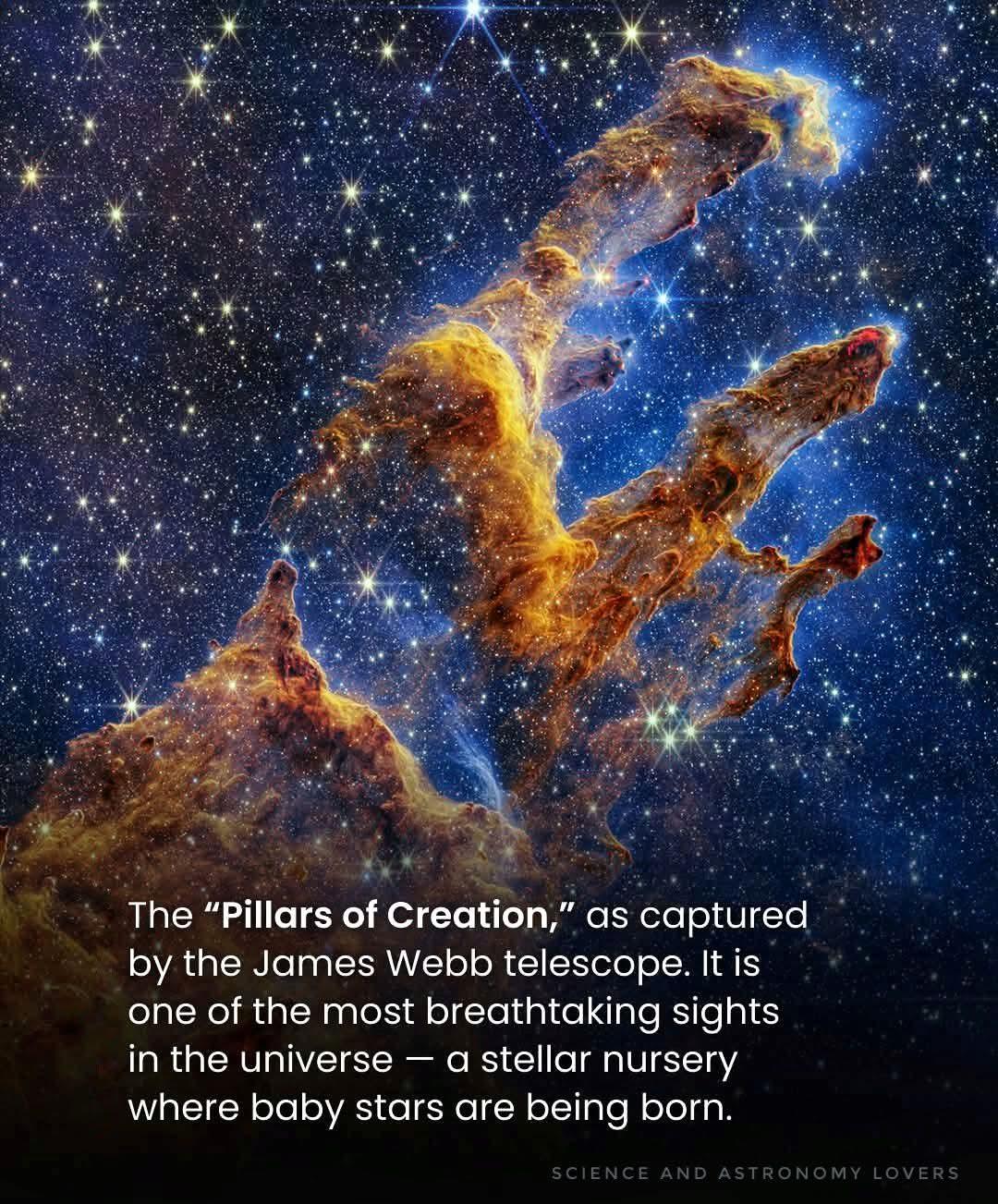
  • Deep in the heart of the Eagle Nebula, around 6,500 light-years from Earth, lies a cosmic wonder that has captivated astronomers and dreamers alike the Pillars of Creation. These towering columns of interstellar gas and dust are more than just visually stunning… they’re active star factories!

    First unveiled by the Hubble Telescope in 1995, the pillars appeared as dark, ghostly shapes silhouetted against the glowing backdrop of space. But now, thanks to the James Webb Space Telescope’s powerful infrared eyes, we can see through the dust—and what’s hiding inside is simply mind-blowing.

    Bright red specks dot the image like embers in a galactic forge those are infant stars, just beginning to shine. The pillars themselves now appear in exquisite detail, slowly dissolving under the intense radiation of nearby massive stars. It’s a glimpse into both creation and destruction—a snapshot of the universe in motion.

    These pillars won’t last forever. But for now, we get to marvel at this breathtaking moment in time, where stars are born and the cosmos tells its story in light and dust.

    📸Credit: NASA's James Webb Space Telescope
    Deep in the heart of the Eagle Nebula, around 6,500 light-years from Earth, lies a cosmic wonder that has captivated astronomers and dreamers alike the Pillars of Creation. These towering columns of interstellar gas and dust are more than just visually stunning… they’re active star factories! First unveiled by the Hubble Telescope in 1995, the pillars appeared as dark, ghostly shapes silhouetted against the glowing backdrop of space. But now, thanks to the James Webb Space Telescope’s powerful infrared eyes, we can see through the dust—and what’s hiding inside is simply mind-blowing. Bright red specks dot the image like embers in a galactic forge those are infant stars, just beginning to shine. The pillars themselves now appear in exquisite detail, slowly dissolving under the intense radiation of nearby massive stars. It’s a glimpse into both creation and destruction—a snapshot of the universe in motion. These pillars won’t last forever. But for now, we get to marvel at this breathtaking moment in time, where stars are born and the cosmos tells its story in light and dust. 📸Credit: NASA's James Webb Space Telescope
    0 Commentaires 0 Parts 359 Vue
  • বিশ্বের সবচেয়ে বড় ৩২০০ মেগাপিক্সেল ডিজিটাল ক্যামেরায় তোলা প্রথম ছবি আজ প্রকাশ করা হয়েছে!

    নিচে যেই নীহারিকার (Nebula) ছবিটি দেখছেন, সেটি এই ক্যামেরায় তোলা প্রথম ছবিগুলোর একটি। ছবিটি এক মুহূর্তে তোলা হয়নি—বরং এটি তৈরি হয়েছে মোট ৬৭৮টি আলাদা এক্সপোজার একত্র করে। ছবিটি ঠিক কোথাকার, তা এখনো আনুষ্ঠানিকভাবে জানানো হয়নি। তবে আজ রাত ৯টা থেকে ইউটিউব লাইভ সম্প্রচারে বিস্তারিত

    আপডেট: এই ছবির অরজিনাল ভার্সন ২৪.১৪ গিগাবাইট। চাইলে আপনি ডাউনলোড করতে পারবেন। লিংক কমেন্টে 😃
    বিশ্বের সবচেয়ে বড় ৩২০০ মেগাপিক্সেল ডিজিটাল ক্যামেরায় তোলা প্রথম ছবি আজ প্রকাশ করা হয়েছে! নিচে যেই নীহারিকার (Nebula) ছবিটি দেখছেন, সেটি এই ক্যামেরায় তোলা প্রথম ছবিগুলোর একটি। ছবিটি এক মুহূর্তে তোলা হয়নি—বরং এটি তৈরি হয়েছে মোট ৬৭৮টি আলাদা এক্সপোজার একত্র করে। ছবিটি ঠিক কোথাকার, তা এখনো আনুষ্ঠানিকভাবে জানানো হয়নি। তবে আজ রাত ৯টা থেকে ইউটিউব লাইভ সম্প্রচারে বিস্তারিত আপডেট: এই ছবির অরজিনাল ভার্সন ২৪.১৪ গিগাবাইট। চাইলে আপনি ডাউনলোড করতে পারবেন। লিংক কমেন্টে 😃
    0 Commentaires 0 Parts 224 Vue
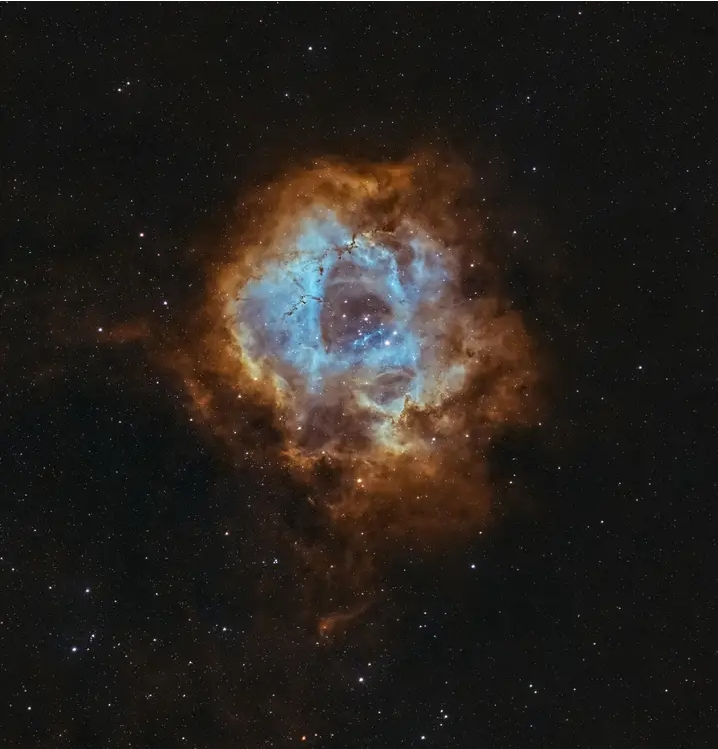
  • The Rosette Nebula / গোলাপ নীহারিকা আমার সবচেয়ে পছন্দের নীহারিকার একটি। এই নীহারিকাটি পৃথিবী থেকে ৫,২০০ আলোকবর্ষ দূরে। তার মানে আমরা ৫,২০০ বছর আগে এটাকে যেমন দেখা যেত সেটা দেখছি। এর কারণ হোল আলোর বেগ। আলো সেকেন্ডে ৩ লক্ষ্য কিমি. গতিতে চলে আর এই নেবুলাটি এতই দূরে যে সেখানকার আলো আমাদের কাছে পৌছাতে হাজার হাজার বছর লাগে।

    আর যদি প্রশ্ন করেন এর রঙ কি এমন নাকি, তার উত্তরটাও একটু জটিল। প্রথমত এটাকে খালি চোখে, এমনকি শক্তিশালি টেলিস্কোপ দিয়েও দেখা কষ্টকর কারণ এটা খুবই অনুজ্জ্বল। আর যদি বিশাল একটা টেলিস্কোপ দিয়ে একদম অন্ধকার এলাকা থেকে দেখেন তাহলে খুব আবছা আর ফেকাসে দেখাবে। তাহলে এই ছবিতে রঙ আসলো কিভাবে? এসেছে কারণ আমি ৬ ঘণ্টা ধরে এর এক্সপোজার নিয়েছি তারপর ডাটা আমপ্লিফিকেশনের মাধ্যমে দৃশ্যমান করা হয়েছে। অনেকটা টিভির ভলিউম বারানর মতো ব্যাপারটা।

    আর শহরের আলোকদূষণ এড়াতে আমি একটা ডুয়েল ন্যারোবান্ড ফিলটার ব্যাবহার করেছি যা দিয়ে আমি নেবুলার হাইড্রোজেন আর অক্সিজেনের আলো পৃথক ভাবে ধারন করেছি। এখানে কমলা রঙের অংশে হাইড্রোজেনের আলো আর নীলচে অংশে অক্সিজেনের আলো দেখছি। আমাদের একেকটা চোখ যদি ফুটবল মাঠের সমান হত আর আমরা মহাকাশ থেকে যদি এই নেবুলার দিকে তাকাতাম তাহলে এটা দেখতে লালচে দেখাত। তাহলে এমন রঙ কেন দিলাম? কারণ এটা এক নজরে আমাদের বলে দেয় কথায় কোন ধরনের গ্যাস আছে। এটা একটা বৈজ্ঞানিক ছবি যাকে ফলস কালার ইমেজ বলে। কিন্তু এখানে যে গঠন দেখছি সেটা সঠিক এবং বাস্তব।

    যদি খেয়াল করেন তাহলে দেখবেন এখানে কিছু কালো কালো দানার মত ছোপ আছে। এগুলকে বলে বক গ্লবিউল (Bok Globule)। এখানে ঘনিভুত ধূলিকণা আর গ্যাস আছে আর এর ভেতরে জন্ম নিচ্ছে নতুন একেকটি তারা। ফিউশন রিয়েকশন শুরু হলে এই ধূলিকণা গুলো সরে যাবে আর তারপর আমরা তারাটিকে দেখতে পারবো। বেপারটা অনেকটা প্রজাপতির জন্মের মতো তাইনা?

    ছবিটি কেমন লাগলো জানাবেন। :) আর ছবিটি ৯০° ঘুরিয়ে দেখুন তো একে কিসের মতো লাগে! 💀

    ⚙️ NERD SPECS:
    Telescope/Lens: Canon 70-200L F4 at 200mm
    Camera: QHY268C
    Tracker: iOptron CEM40
    Filter: Optolong L-eXtreme 2"
    Total Exposure: 6hrs
    Location: Dhaka, Bangladesh
    Processing: DSS + PixInsight
    The Rosette Nebula / গোলাপ নীহারিকা আমার সবচেয়ে পছন্দের নীহারিকার একটি। এই নীহারিকাটি পৃথিবী থেকে ৫,২০০ আলোকবর্ষ দূরে। তার মানে আমরা ৫,২০০ বছর আগে এটাকে যেমন দেখা যেত সেটা দেখছি। এর কারণ হোল আলোর বেগ। আলো সেকেন্ডে ৩ লক্ষ্য কিমি. গতিতে চলে আর এই নেবুলাটি এতই দূরে যে সেখানকার আলো আমাদের কাছে পৌছাতে হাজার হাজার বছর লাগে। আর যদি প্রশ্ন করেন এর রঙ কি এমন নাকি, তার উত্তরটাও একটু জটিল। প্রথমত এটাকে খালি চোখে, এমনকি শক্তিশালি টেলিস্কোপ দিয়েও দেখা কষ্টকর কারণ এটা খুবই অনুজ্জ্বল। আর যদি বিশাল একটা টেলিস্কোপ দিয়ে একদম অন্ধকার এলাকা থেকে দেখেন তাহলে খুব আবছা আর ফেকাসে দেখাবে। তাহলে এই ছবিতে রঙ আসলো কিভাবে? এসেছে কারণ আমি ৬ ঘণ্টা ধরে এর এক্সপোজার নিয়েছি তারপর ডাটা আমপ্লিফিকেশনের মাধ্যমে দৃশ্যমান করা হয়েছে। অনেকটা টিভির ভলিউম বারানর মতো ব্যাপারটা। আর শহরের আলোকদূষণ এড়াতে আমি একটা ডুয়েল ন্যারোবান্ড ফিলটার ব্যাবহার করেছি যা দিয়ে আমি নেবুলার হাইড্রোজেন আর অক্সিজেনের আলো পৃথক ভাবে ধারন করেছি। এখানে কমলা রঙের অংশে হাইড্রোজেনের আলো আর নীলচে অংশে অক্সিজেনের আলো দেখছি। আমাদের একেকটা চোখ যদি ফুটবল মাঠের সমান হত আর আমরা মহাকাশ থেকে যদি এই নেবুলার দিকে তাকাতাম তাহলে এটা দেখতে লালচে দেখাত। তাহলে এমন রঙ কেন দিলাম? কারণ এটা এক নজরে আমাদের বলে দেয় কথায় কোন ধরনের গ্যাস আছে। এটা একটা বৈজ্ঞানিক ছবি যাকে ফলস কালার ইমেজ বলে। কিন্তু এখানে যে গঠন দেখছি সেটা সঠিক এবং বাস্তব। যদি খেয়াল করেন তাহলে দেখবেন এখানে কিছু কালো কালো দানার মত ছোপ আছে। এগুলকে বলে বক গ্লবিউল (Bok Globule)। এখানে ঘনিভুত ধূলিকণা আর গ্যাস আছে আর এর ভেতরে জন্ম নিচ্ছে নতুন একেকটি তারা। ফিউশন রিয়েকশন শুরু হলে এই ধূলিকণা গুলো সরে যাবে আর তারপর আমরা তারাটিকে দেখতে পারবো। বেপারটা অনেকটা প্রজাপতির জন্মের মতো তাইনা? ছবিটি কেমন লাগলো জানাবেন। :) আর ছবিটি ৯০° ঘুরিয়ে দেখুন তো একে কিসের মতো লাগে! 💀 ⚙️ NERD SPECS: Telescope/Lens: Canon 70-200L F4 at 200mm Camera: QHY268C Tracker: iOptron CEM40 Filter: Optolong L-eXtreme 2" Total Exposure: 6hrs Location: Dhaka, Bangladesh Processing: DSS + PixInsight
    0 Commentaires 0 Parts 420 Vue
BlackBird Ai
https://bbai.shop