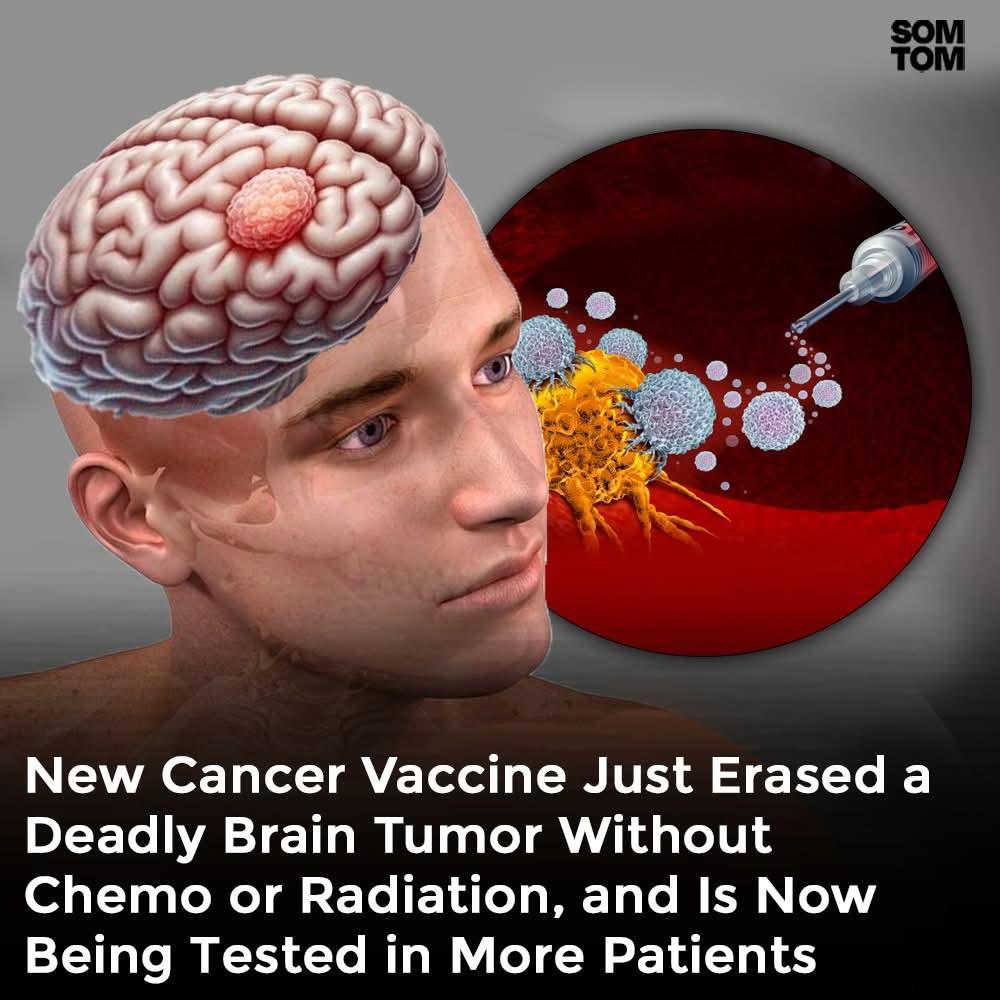
• A personalized mRNA vaccine wiped out one patient’s glioblastoma, an aggressive brain tumor, with no chemo or radiation. Developed at Brigham and Women’s Hospital, the single-dose shot trained the immune system to attack the tumor’s unique mutations. Two years later, the patient remains cancer-free. Early trial, big promise. More testing is now underway.

    #CancerVaccine #Glioblastoma #mRNATherapy #MedicalBreakthrough #ImmunotherapyRevolution
    A personalized mRNA vaccine wiped out one patient’s glioblastoma, an aggressive brain tumor, with no chemo or radiation. Developed at Brigham and Women’s Hospital, the single-dose shot trained the immune system to attack the tumor’s unique mutations. Two years later, the patient remains cancer-free. Early trial, big promise. More testing is now underway. #CancerVaccine #Glioblastoma #mRNATherapy #MedicalBreakthrough #ImmunotherapyRevolution
    0 Comments 0 Shares 668 Views
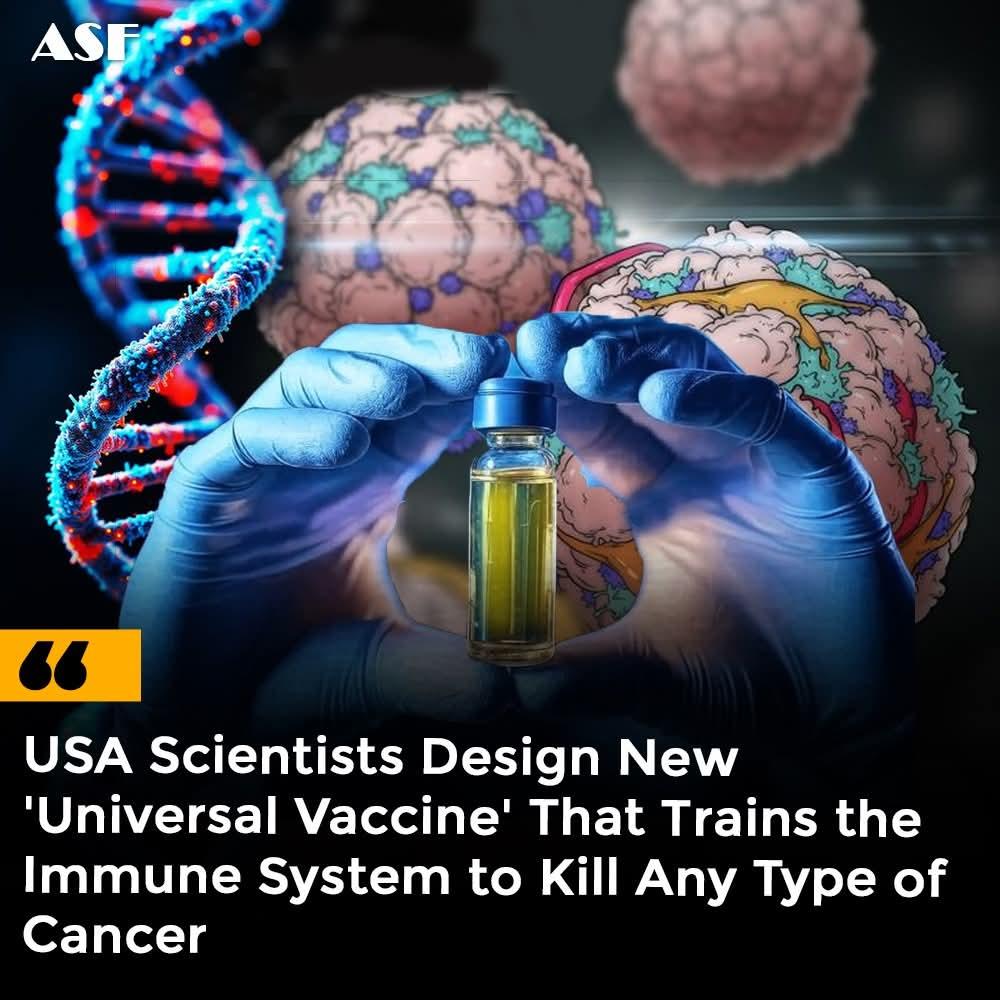
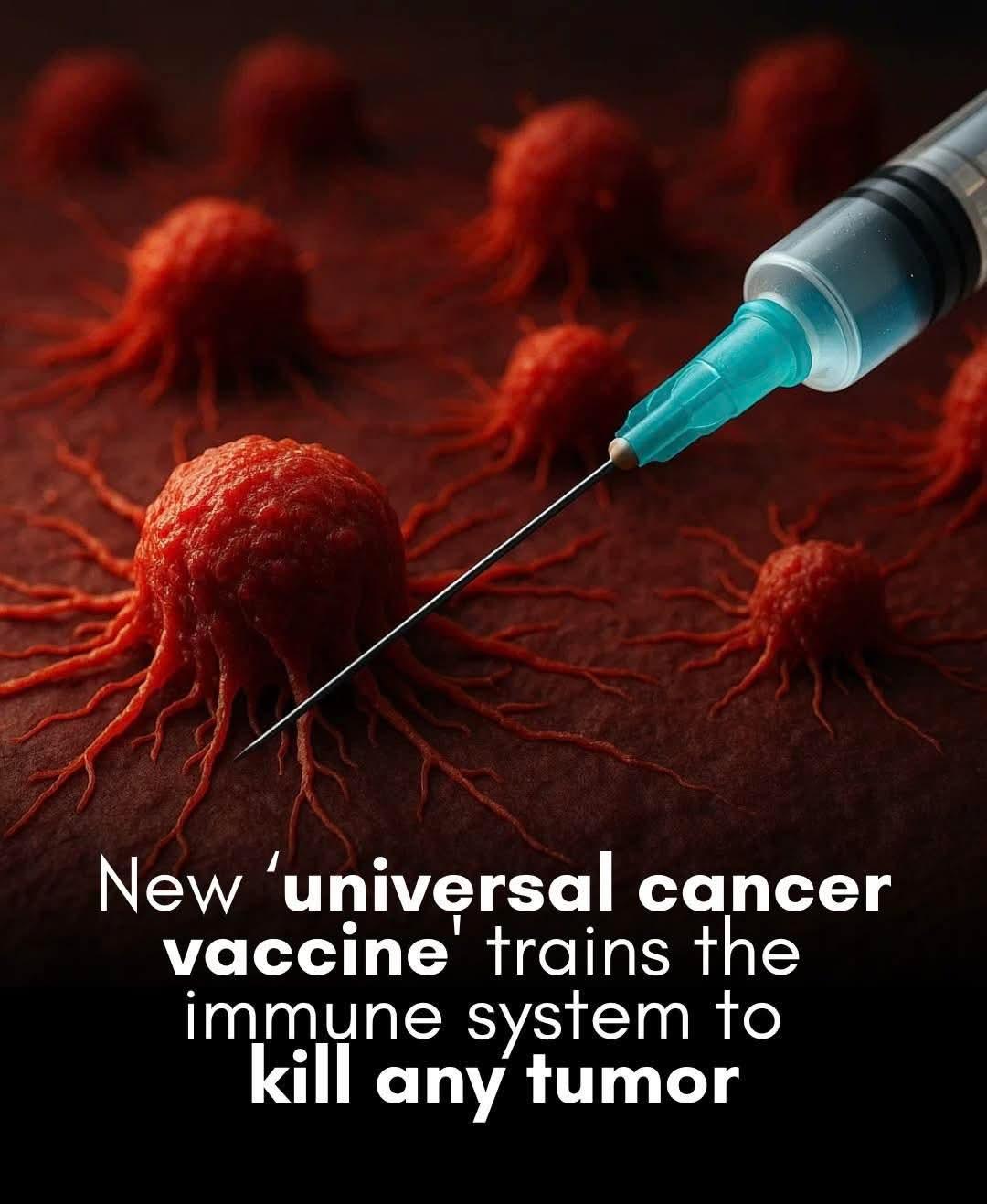
  • A universal mRNA cancer vaccine may be within reach. University of Florida scientists created a shot that makes tumors visible to the immune system, clearing drug-resistant melanomas in mice without chemo or radiation. One vaccine. Any tumor. A new era in cancer care begins.
    Disclaimer: This news is shared for journalistic and informational purposes only. Please consult your physician before making any medical decisions.

    #CancerVaccine #mRNA #MedicalBreakthrough #UFResearch #Immunotherapy
    A universal mRNA cancer vaccine may be within reach. University of Florida scientists created a shot that makes tumors visible to the immune system, clearing drug-resistant melanomas in mice without chemo or radiation. One vaccine. Any tumor. A new era in cancer care begins. Disclaimer: This news is shared for journalistic and informational purposes only. Please consult your physician before making any medical decisions. #CancerVaccine #mRNA #MedicalBreakthrough #UFResearch #Immunotherapy
    0 Comments 0 Shares 510 Views
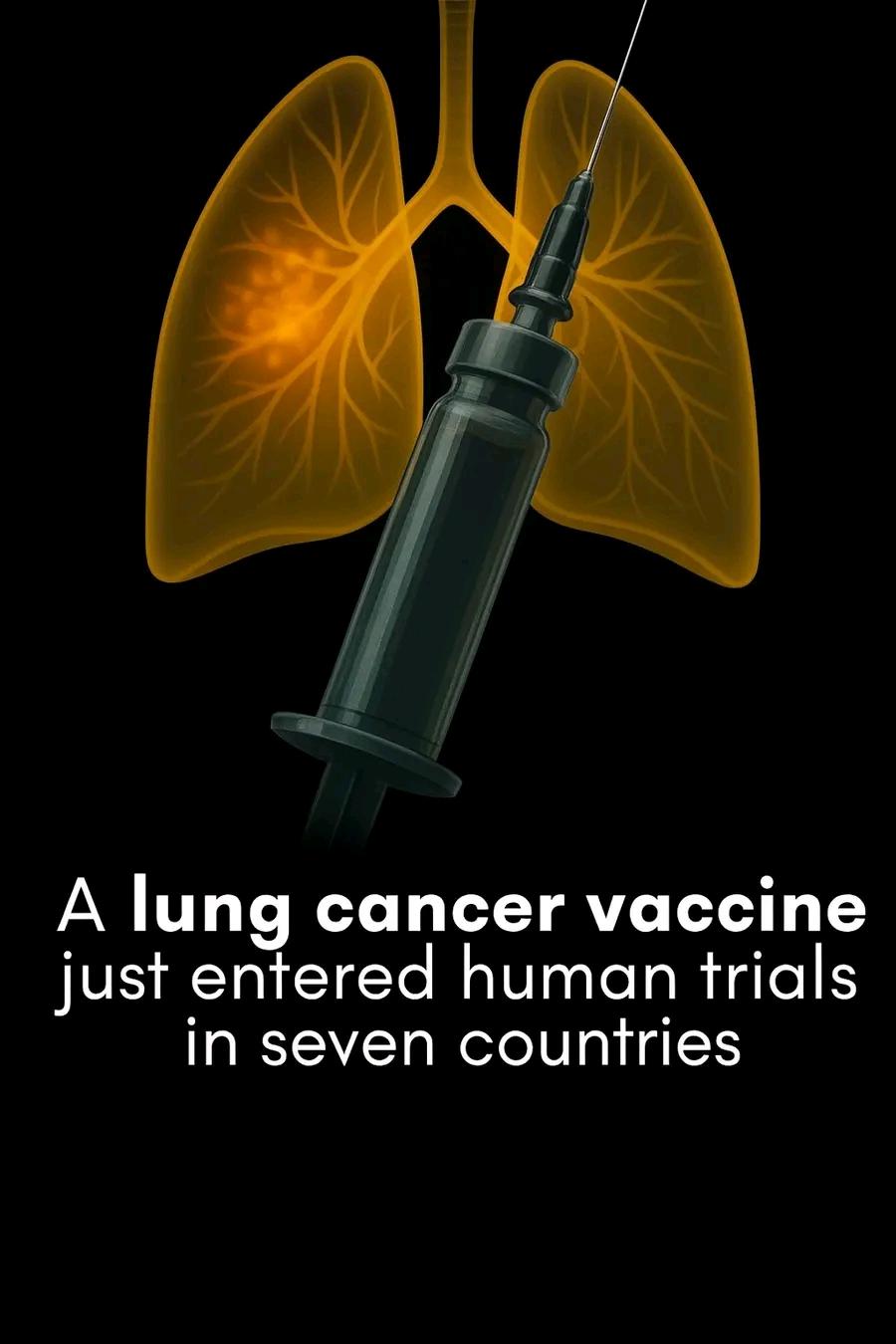
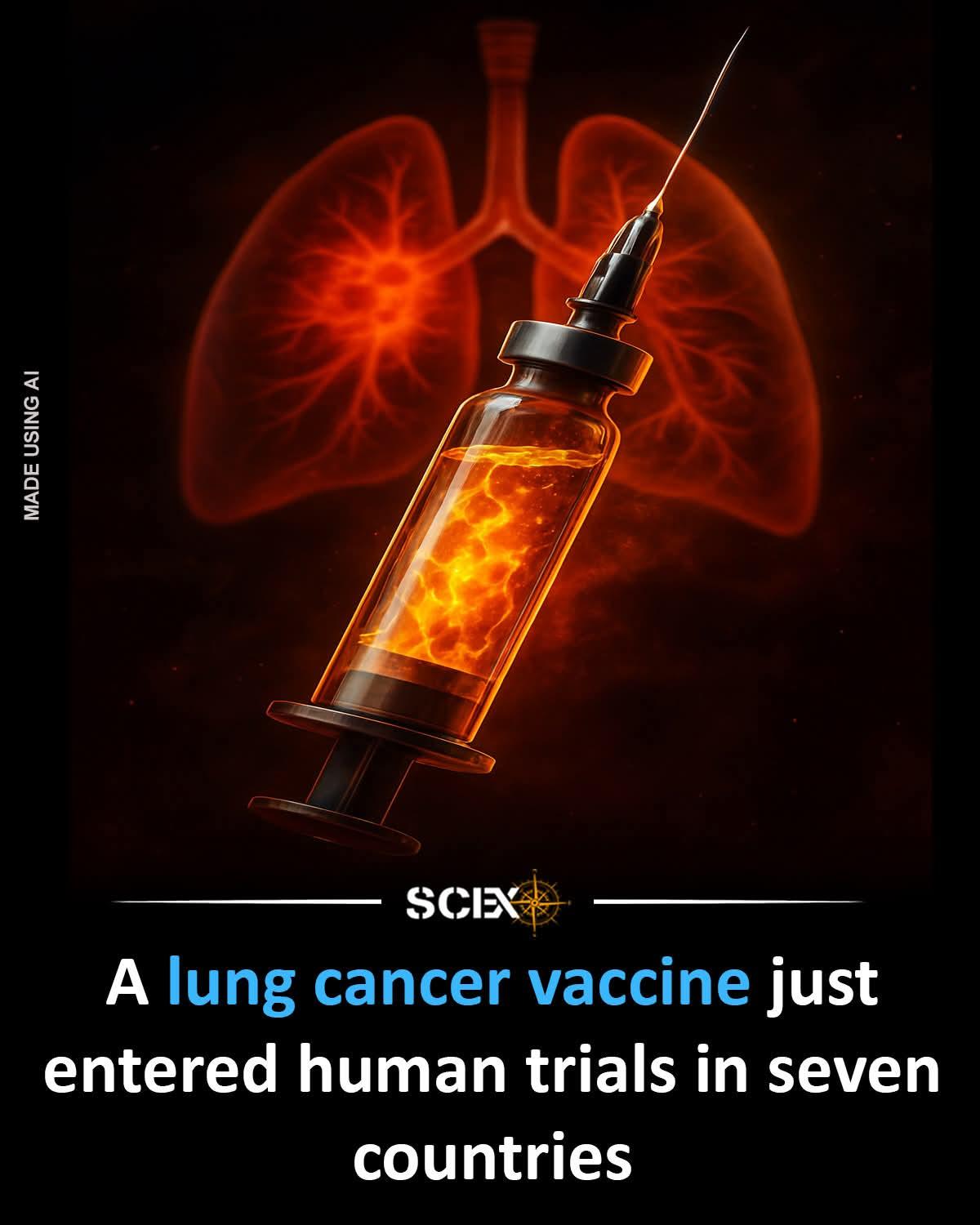
  • The world's first mRNA lung cancer vaccine has begun human testing in a groundbreaking international trial that could transform cancer treatment. BioNTech, the pharmaceutical company that co-developed a leading COVID-19 vaccine, is now testing BNT116 against non-small cell lung cancer, the most common and lethal form of the disease. The experimental vaccine works by teaching the immune system to identify and attack cancer cells, potentially offering new hope for patients facing advanced lung cancer diagnoses. Researchers are conducting the initial safety trial at 34 medical centers across seven countries, including major sites in the UK, US, and Germany. This represents the first time mRNA technology has been tested as a lung cancer treatment in humans.
    The world's first mRNA lung cancer vaccine has begun human testing in a groundbreaking international trial that could transform cancer treatment. BioNTech, the pharmaceutical company that co-developed a leading COVID-19 vaccine, is now testing BNT116 against non-small cell lung cancer, the most common and lethal form of the disease. The experimental vaccine works by teaching the immune system to identify and attack cancer cells, potentially offering new hope for patients facing advanced lung cancer diagnoses. Researchers are conducting the initial safety trial at 34 medical centers across seven countries, including major sites in the UK, US, and Germany. This represents the first time mRNA technology has been tested as a lung cancer treatment in humans.
    0 Comments 0 Shares 475 Views
  • 🚨 Major Breakthrough in Cancer Research!

    Scientists at the University of Florida have developed a promising universal cancer vaccine that could revolutionize cancer treatment. 💉🧬

    Using mRNA technology—the same platform behind COVID-19 vaccines—this experimental shot trains the immune system to identify and destroy a molecule found in many types of cancer cells, including melanoma, breast, pancreatic, and lung cancers.

    In preclinical mouse trials, the vaccine not only wiped out existing tumors but also prevented new ones from forming. The key lies in targeting TACA (tumor-associated carbohydrate antigen), a structure common to several cancers.

    ⚠️ While it’s still in early stages and not yet tested in humans, this innovation could pave the way for a single vaccine to combat multiple forms of cancer.

    🔬 Human clinical trials are up next—stay tuned for this potential game-changer in cancer care.

    #UniversalCancerVaccine #mRNARevolution #CancerBreakthrough #Immunotherapy #OncologyInnovation #BiotechNews #HealthTech #ScienceUpdate #FutureOfMedicine
    🚨 Major Breakthrough in Cancer Research! Scientists at the University of Florida have developed a promising universal cancer vaccine that could revolutionize cancer treatment. 💉🧬 Using mRNA technology—the same platform behind COVID-19 vaccines—this experimental shot trains the immune system to identify and destroy a molecule found in many types of cancer cells, including melanoma, breast, pancreatic, and lung cancers. In preclinical mouse trials, the vaccine not only wiped out existing tumors but also prevented new ones from forming. The key lies in targeting TACA (tumor-associated carbohydrate antigen), a structure common to several cancers. ⚠️ While it’s still in early stages and not yet tested in humans, this innovation could pave the way for a single vaccine to combat multiple forms of cancer. 🔬 Human clinical trials are up next—stay tuned for this potential game-changer in cancer care. #UniversalCancerVaccine #mRNARevolution #CancerBreakthrough #Immunotherapy #OncologyInnovation #BiotechNews #HealthTech #ScienceUpdate #FutureOfMedicine
    0 Comments 0 Shares 673 Views
  • A Groundbreaking Moment in Cancer Research: World’s First Lung Cancer mRNA Vaccine Enters Human Trials 🧬💉

    In a historic leap for oncology, scientists have officially launched the world’s first clinical trial of an mRNA vaccine for lung cancer—a potential game-changer in the fight against one of the deadliest cancers worldwide.

    Developed by BioNTech, the biotech firm behind one of the pioneering COVID-19 vaccines, the new vaccine—BNT116—is specifically designed to combat non-small cell lung cancer (NSCLC), which accounts for about 85% of all lung cancer cases.

    Unlike traditional treatments, BNT116 works by teaching the immune system to recognize and attack cancer cells, and to help prevent the cancer from coming back. If successful, it could redefine how we treat—and possibly even prevent—advanced lung cancer.

    The Phase 1 clinical trial is currently underway at 34 sites across seven countries, including the UK, United States, and Germany, marking a major milestone in personalized cancer immunotherapy.

    🔬 Source: BioNTech via BioNTech Official Press Release

    #LungCancerVaccine #BioNTech #mRNAtechnology #CancerResearch #NSCLC #CancerTreatment #MedicalBreakthrough #Immunotherapy #BNT116 #LungCancerAwareness #ScienceNews #ClinicalTrials
    A Groundbreaking Moment in Cancer Research: World’s First Lung Cancer mRNA Vaccine Enters Human Trials 🧬💉 In a historic leap for oncology, scientists have officially launched the world’s first clinical trial of an mRNA vaccine for lung cancer—a potential game-changer in the fight against one of the deadliest cancers worldwide. Developed by BioNTech, the biotech firm behind one of the pioneering COVID-19 vaccines, the new vaccine—BNT116—is specifically designed to combat non-small cell lung cancer (NSCLC), which accounts for about 85% of all lung cancer cases. Unlike traditional treatments, BNT116 works by teaching the immune system to recognize and attack cancer cells, and to help prevent the cancer from coming back. If successful, it could redefine how we treat—and possibly even prevent—advanced lung cancer. The Phase 1 clinical trial is currently underway at 34 sites across seven countries, including the UK, United States, and Germany, marking a major milestone in personalized cancer immunotherapy. 🔬 Source: BioNTech via BioNTech Official Press Release #LungCancerVaccine #BioNTech #mRNAtechnology #CancerResearch #NSCLC #CancerTreatment #MedicalBreakthrough #Immunotherapy #BNT116 #LungCancerAwareness #ScienceNews #ClinicalTrials
    0 Comments 0 Shares 797 Views
  • যুক্তরাষ্ট্রের ইউনিভার্সিটি অব ফ্লোরিডা-এর গবেষকরা তৈরি করেছেন এক অভূতপূর্ব “ইউনিভার্সাল” mRNA ক্যান্সার ভ্যাকসিন।
    এটি প্রতিরোধমূলক নয়, বরং থেরাপিউটিক ইমিউনোথেরাপি—অর্থাৎ শরীরের প্রতিরক্ষা ব্যবস্থাকে সক্রিয় করে সরাসরি টিউমার আক্রমণ করতে সাহায্য করে।

    মূল বৈশিষ্ট্য:

    ইঁদুরের উপর পরীক্ষায় এই ভ্যাকসিন ত্বক, হাড়, মস্তিষ্কসহ বিভিন্ন ক্যান্সারের টিউমার ছোট করেছে।

    PD‑1 ব্লকারের মতো ইমিউন চেকপয়েন্ট ইনহিবিটরের সঙ্গে ব্যবহার করলে এর কার্যকারিতা আরও বেড়েছে।

    এটি নির্দিষ্ট ক্যান্সার অ্যান্টিজেনকে নয়, বরং ভাইরাস সংক্রমণের মতো প্রতিক্রিয়া সৃষ্টি করে T সেলকে টিউমার শনাক্ত ও আক্রমণ করতে উস্কে দেয়।

    টাইপ‑I ইন্টারফেরন সিগনালিং বাড়িয়ে এবং এপিটোপ স্প্রেডিং ঘটিয়ে ক্যান্সার কোষের বিরুদ্ধে বিস্তৃত আক্রমণ চালায়।

    গবেষণাটি Nature Biomedical Engineering জার্নালে প্রকাশিত হয়েছে। যদিও এখনো প্রিক্লিনিক্যাল পর্যায়ে রয়েছে, শীঘ্রই মানুষের উপর ট্রায়ালের পরিকল্পনা চলছে।

    উল্লেখ্য, Moderna-এর mRNA‑4157/V940 (মেলানোমায়) এবং autogene cevumeran (প্যানক্রিয়াটিক ক্যান্সারে) ইতিমধ্যেই প্রাথমিক পর্যায়ের ক্লিনিক্যাল ট্রায়ালে প্রতিশ্রুতিশীল ফল দেখাচ্ছে।

    | Follow করুন | দুনিয়ার জানা-অজানা
    যুক্তরাষ্ট্রের ইউনিভার্সিটি অব ফ্লোরিডা-এর গবেষকরা তৈরি করেছেন এক অভূতপূর্ব “ইউনিভার্সাল” mRNA ক্যান্সার ভ্যাকসিন। এটি প্রতিরোধমূলক নয়, বরং থেরাপিউটিক ইমিউনোথেরাপি—অর্থাৎ শরীরের প্রতিরক্ষা ব্যবস্থাকে সক্রিয় করে সরাসরি টিউমার আক্রমণ করতে সাহায্য করে। মূল বৈশিষ্ট্য: ইঁদুরের উপর পরীক্ষায় এই ভ্যাকসিন ত্বক, হাড়, মস্তিষ্কসহ বিভিন্ন ক্যান্সারের টিউমার ছোট করেছে। PD‑1 ব্লকারের মতো ইমিউন চেকপয়েন্ট ইনহিবিটরের সঙ্গে ব্যবহার করলে এর কার্যকারিতা আরও বেড়েছে। এটি নির্দিষ্ট ক্যান্সার অ্যান্টিজেনকে নয়, বরং ভাইরাস সংক্রমণের মতো প্রতিক্রিয়া সৃষ্টি করে T সেলকে টিউমার শনাক্ত ও আক্রমণ করতে উস্কে দেয়। টাইপ‑I ইন্টারফেরন সিগনালিং বাড়িয়ে এবং এপিটোপ স্প্রেডিং ঘটিয়ে ক্যান্সার কোষের বিরুদ্ধে বিস্তৃত আক্রমণ চালায়। গবেষণাটি Nature Biomedical Engineering জার্নালে প্রকাশিত হয়েছে। যদিও এখনো প্রিক্লিনিক্যাল পর্যায়ে রয়েছে, শীঘ্রই মানুষের উপর ট্রায়ালের পরিকল্পনা চলছে। উল্লেখ্য, Moderna-এর mRNA‑4157/V940 (মেলানোমায়) এবং autogene cevumeran (প্যানক্রিয়াটিক ক্যান্সারে) ইতিমধ্যেই প্রাথমিক পর্যায়ের ক্লিনিক্যাল ট্রায়ালে প্রতিশ্রুতিশীল ফল দেখাচ্ছে। | Follow করুন | দুনিয়ার জানা-অজানা
    0 Comments 0 Shares 285 Views
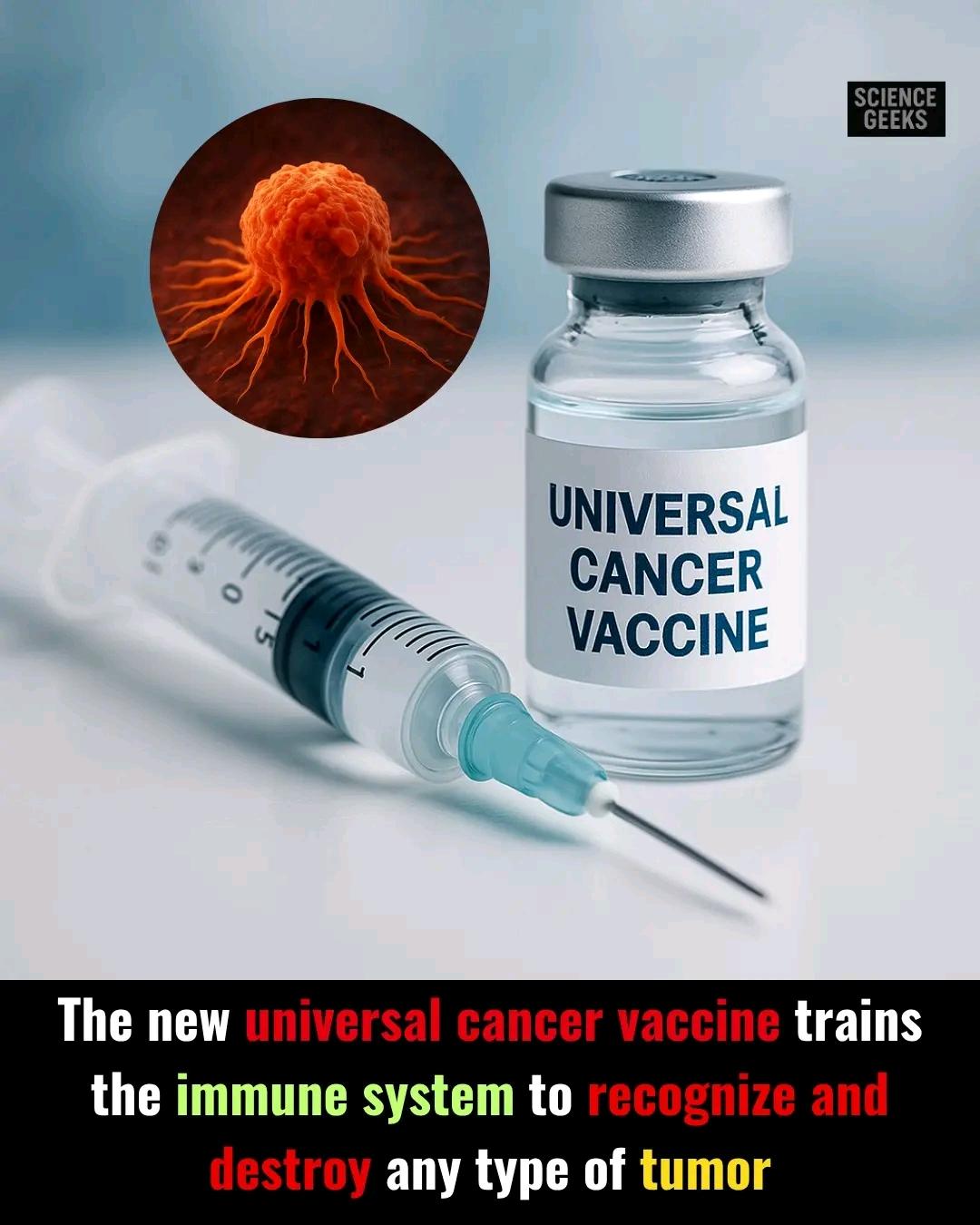
  • Scientists may have just found the keys to a universal cancer vaccine — no chemo or radiation.

    A groundbreaking mRNA vaccine developed by scientists at the University of Florida could signal the dawn of a universal cancer treatment. Unlike traditional therapies that target specific tumor types, this experimental vaccine teaches the immune system to identify and attack cancer cells broadly—regardless of type. Using a mechanism similar to COVID-19 vaccines, the jab delivers genetic instructions that encourage immune cells to recognize and destroy tumors by exposing cancer cell markers like PD-L1, making them more visible to the body’s natural defenses. In animal trials, the vaccine not only cleared resistant melanoma tumors but also proved effective against brain, bone, and skin cancers—all without surgery, chemotherapy, or radiation.

    What makes this development especially significant is its potential to be used as an "off-the-shelf" solution, bypassing the need for customized treatments tailored to each patient's unique cancer profile. This universal strategy may offer a faster, more scalable way to treat patients, especially those with difficult-to-treat cancers. As researchers prepare for human trials, the hope is that this mRNA technology—once thought to be limited to virus defense—could revolutionize how we fight cancer across the board.
    Scientists may have just found the keys to a universal cancer vaccine — no chemo or radiation. A groundbreaking mRNA vaccine developed by scientists at the University of Florida could signal the dawn of a universal cancer treatment. Unlike traditional therapies that target specific tumor types, this experimental vaccine teaches the immune system to identify and attack cancer cells broadly—regardless of type. Using a mechanism similar to COVID-19 vaccines, the jab delivers genetic instructions that encourage immune cells to recognize and destroy tumors by exposing cancer cell markers like PD-L1, making them more visible to the body’s natural defenses. In animal trials, the vaccine not only cleared resistant melanoma tumors but also proved effective against brain, bone, and skin cancers—all without surgery, chemotherapy, or radiation. What makes this development especially significant is its potential to be used as an "off-the-shelf" solution, bypassing the need for customized treatments tailored to each patient's unique cancer profile. This universal strategy may offer a faster, more scalable way to treat patients, especially those with difficult-to-treat cancers. As researchers prepare for human trials, the hope is that this mRNA technology—once thought to be limited to virus defense—could revolutionize how we fight cancer across the board.
    0 Comments 0 Shares 409 Views
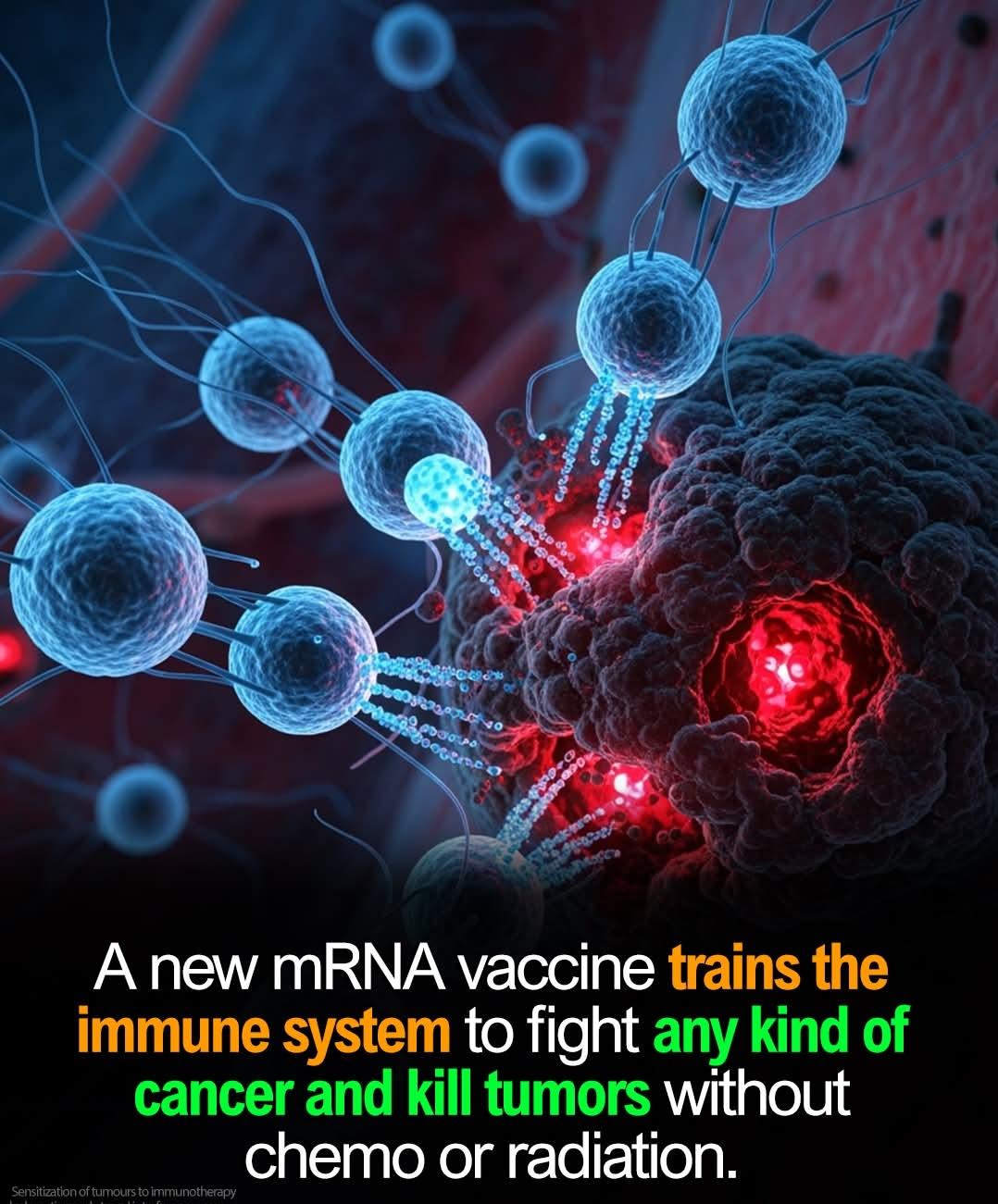
  • Scientists at the University of Florida have developed a breakthrough mRNA vaccine that may be able to fight almost any type of cancer—without needing chemotherapy, surgery, or radiation. It works by reprogramming the immune system to identify and destroy tumors, even in cases where traditional treatments have failed.

    Unlike typical cancer treatments that target a specific tumor, this vaccine takes a broader approach. It boosts early immune signals known as type-I interferons—like internal alarm bells—which help the body detect and attack cancer cells. These signals also trigger something called “epitope spreading,” meaning the immune system begins targeting multiple parts of a tumor instead of just one. That leads to a much stronger and more complete attack on cancer.

    The mRNA used in the vaccine doesn’t directly target cancer cells. Instead, it delivers instructions that push cancer cells to produce a protein called PD-L1. This protein acts like a flag, making hidden tumors more visible to the immune system. Once exposed, the immune system can launch an attack—even against resistant cancers.

    In mice, this vaccine successfully cleared stubborn tumors and protected against the cancer returning. Even more impressively, immune responses from one tumor could be transferred to help fight others. This opens the door to a universal, off-the-shelf cancer vaccine that could work across many types of cancer, offering new hope to people with difficult-to-treat cases.

    Research Paper :
    Qdaisat, S., Wummer, B., Stover, B.D. et al.
    Sensitization of tumours to immunotherapy by boosting
    early type-I interferon responses enables epitope
    spreading.

    Scientists at the University of Florida have developed a breakthrough mRNA vaccine that may be able to fight almost any type of cancer—without needing chemotherapy, surgery, or radiation. It works by reprogramming the immune system to identify and destroy tumors, even in cases where traditional treatments have failed. Unlike typical cancer treatments that target a specific tumor, this vaccine takes a broader approach. It boosts early immune signals known as type-I interferons—like internal alarm bells—which help the body detect and attack cancer cells. These signals also trigger something called “epitope spreading,” meaning the immune system begins targeting multiple parts of a tumor instead of just one. That leads to a much stronger and more complete attack on cancer. The mRNA used in the vaccine doesn’t directly target cancer cells. Instead, it delivers instructions that push cancer cells to produce a protein called PD-L1. This protein acts like a flag, making hidden tumors more visible to the immune system. Once exposed, the immune system can launch an attack—even against resistant cancers. In mice, this vaccine successfully cleared stubborn tumors and protected against the cancer returning. Even more impressively, immune responses from one tumor could be transferred to help fight others. This opens the door to a universal, off-the-shelf cancer vaccine that could work across many types of cancer, offering new hope to people with difficult-to-treat cases. Research Paper : Qdaisat, S., Wummer, B., Stover, B.D. et al. Sensitization of tumours to immunotherapy by boosting early type-I interferon responses enables epitope spreading.

    Wow
    1
    0 Comments 0 Shares 421 Views
BlackBird Ai
https://bbai.shop