• আমাজন বন
    পৃথিবীর সবচেয়ে রহস্যময় বন
    Amazon
    Largest Rainforest In The World
    মরুচর
    অ্যামাজন বন
    অ্যামাজন বনের অবাক করা তথ্য
    অ্যামাজন বন কোথায় অবস্থিত
    অ্যামাজন বন এর জীববৈচিত্র
    আমাজন বন পৃথিবীর সবচেয়ে রহস্যময় বন Amazon Largest Rainforest In The World মরুচর অ্যামাজন বন অ্যামাজন বনের অবাক করা তথ্য অ্যামাজন বন কোথায় অবস্থিত অ্যামাজন বন এর জীববৈচিত্র
    0 Comments 0 Shares 2K Views
  • 🌊 Japan Built a Wall… and a Forest

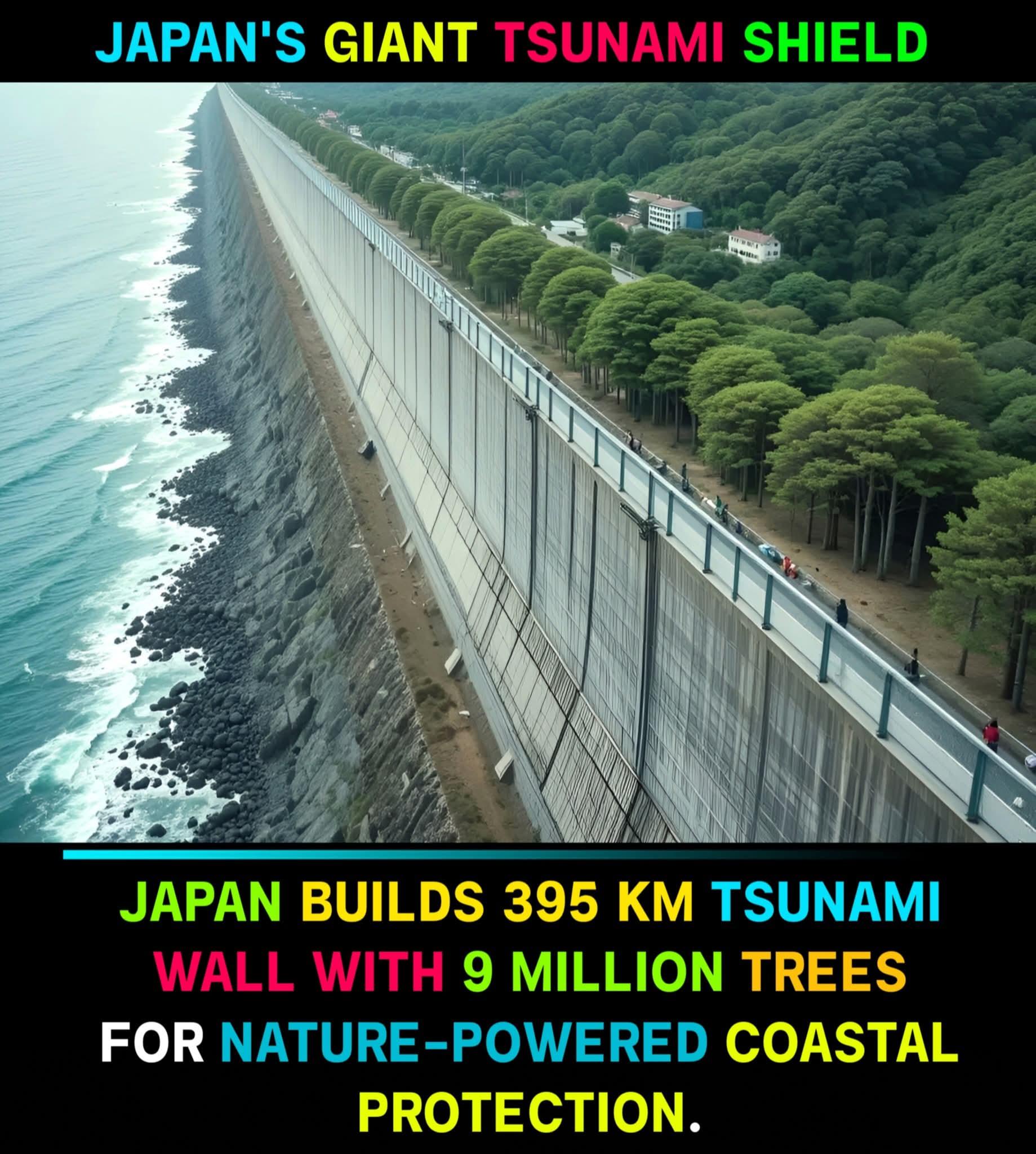
    After the devastating 2011 tsunami, Japan didn’t just rebuild—they went fortress mode.

    Stretching an unbelievable 395 km, the Great Tsunami Wall is a beast of engineering. In some spots, it’s taller than a 4-story building (14.7 meters), with foundations plunging 25 meters deep to hold back the ocean’s fury.

    But here’s the twist—Japan didn’t stop at concrete. They also planted 9 million trees along the coast, creating the “Great Forest Wall.” This living barrier slows incoming waves and traps dangerous debris before it can be dragged back to sea.

    It’s part man-made muscle, part Mother Nature magic—and it’s one of the boldest disaster defenses on Earth. 🇯🇵
    🌊 Japan Built a Wall… and a Forest After the devastating 2011 tsunami, Japan didn’t just rebuild—they went fortress mode. Stretching an unbelievable 395 km, the Great Tsunami Wall is a beast of engineering. In some spots, it’s taller than a 4-story building (14.7 meters), with foundations plunging 25 meters deep to hold back the ocean’s fury. But here’s the twist—Japan didn’t stop at concrete. They also planted 9 million trees along the coast, creating the “Great Forest Wall.” This living barrier slows incoming waves and traps dangerous debris before it can be dragged back to sea. It’s part man-made muscle, part Mother Nature magic—and it’s one of the boldest disaster defenses on Earth. 🇯🇵
    0 Comments 0 Shares 2K Views
  • Brazil pioneers reforestation drone swarm that plants 100,000 trees per day

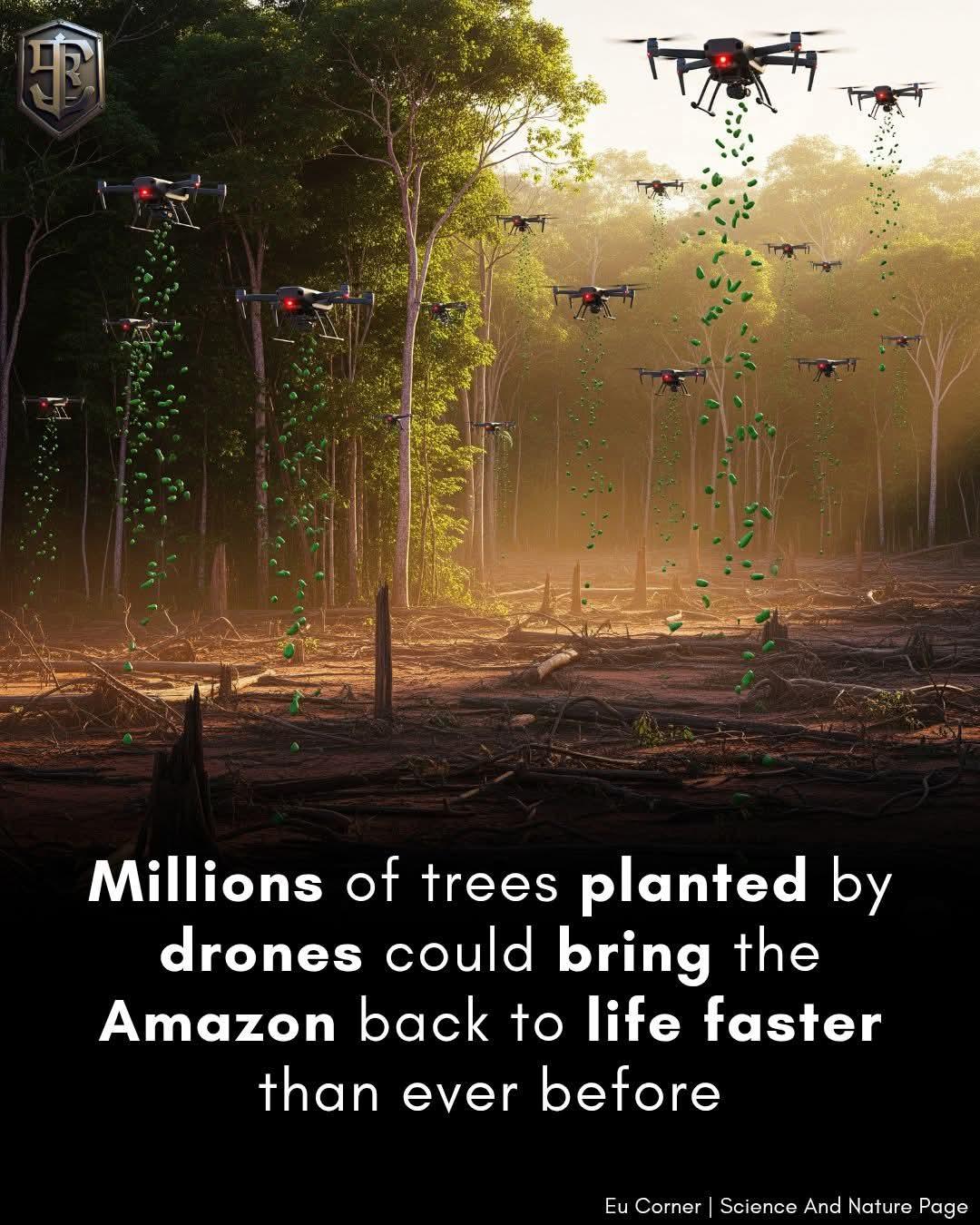
    Brazilian environmentalists and engineers have launched a drone swarm system capable of planting over 100,000 trees daily in deforested areas, accelerating efforts to restore the Amazon rainforest. The drones autonomously map degraded land, select optimal planting spots, and disperse seed pods embedded in nutrient-rich capsules.

    Each drone operates with GPS precision and AI-powered terrain analysis, adjusting flight paths to avoid obstacles and maximize coverage. Seed pods are designed to germinate quickly and protect young plants from pests and drought.

    This approach vastly outpaces manual planting methods, which are labor-intensive and slow, enabling large-scale reforestation in remote or dangerous areas. The drones can also monitor newly planted zones, collecting data on growth rates and environmental conditions to guide future efforts.

    Partnerships with local communities ensure sustainable management and biodiversity preservation, integrating drone technology with traditional conservation knowledge. The project aims to restore millions of hectares over the next decade, contributing to global climate change mitigation.

    Brazil’s drone swarm system is seen as a model for other countries facing deforestation, offering a scalable and cost-effective solution to one of the planet’s most urgent ecological challenges.
    Brazil pioneers reforestation drone swarm that plants 100,000 trees per day Brazilian environmentalists and engineers have launched a drone swarm system capable of planting over 100,000 trees daily in deforested areas, accelerating efforts to restore the Amazon rainforest. The drones autonomously map degraded land, select optimal planting spots, and disperse seed pods embedded in nutrient-rich capsules. Each drone operates with GPS precision and AI-powered terrain analysis, adjusting flight paths to avoid obstacles and maximize coverage. Seed pods are designed to germinate quickly and protect young plants from pests and drought. This approach vastly outpaces manual planting methods, which are labor-intensive and slow, enabling large-scale reforestation in remote or dangerous areas. The drones can also monitor newly planted zones, collecting data on growth rates and environmental conditions to guide future efforts. Partnerships with local communities ensure sustainable management and biodiversity preservation, integrating drone technology with traditional conservation knowledge. The project aims to restore millions of hectares over the next decade, contributing to global climate change mitigation. Brazil’s drone swarm system is seen as a model for other countries facing deforestation, offering a scalable and cost-effective solution to one of the planet’s most urgent ecological challenges.
    0 Comments 0 Shares 802 Views
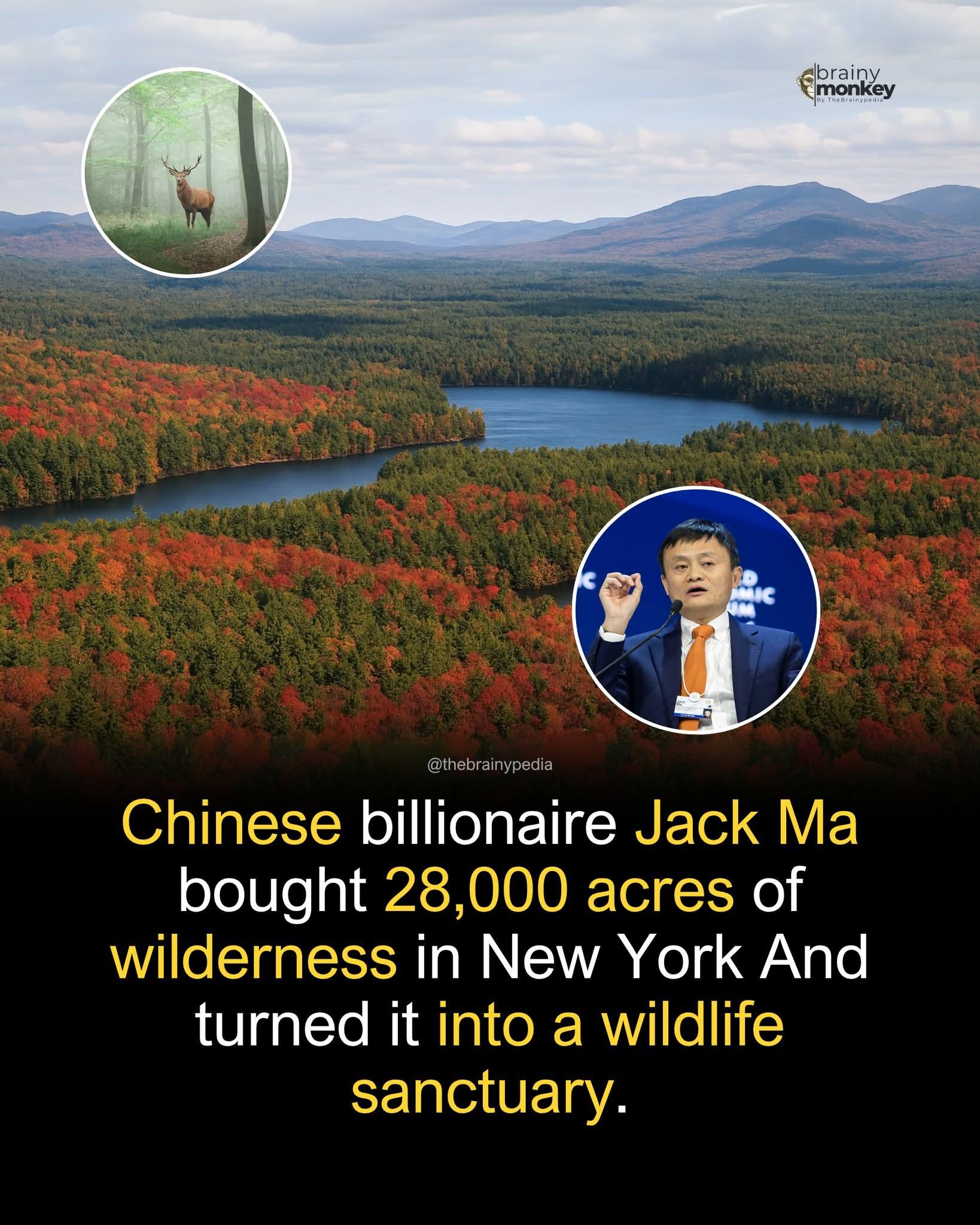
  • The Chinese billionaire and founder of Alibaba purchased 28,100 acres of wilderness in New York’s Adirondack Mountains in 2015 and turned it into a wildlife sanctuary. According to Good News Network, the property, known as Brandon Park, includes nine miles of the Saint Regis River, trout streams, forests, lakes, ponds, and even a maple syrup operation.

    Ma paid $23 million for the land and plans to halt all logging and mining activity, preserving the area’s biodiversity and protecting its timber and water resources.

    This is Ma’s first conservation investment outside China, and he’s reportedly forming a nonprofit entity to manage the land. He’s also a board member of The Nature Conservancy, reflecting his growing commitment to global environmental stewardship.
    The Chinese billionaire and founder of Alibaba purchased 28,100 acres of wilderness in New York’s Adirondack Mountains in 2015 and turned it into a wildlife sanctuary. According to Good News Network, the property, known as Brandon Park, includes nine miles of the Saint Regis River, trout streams, forests, lakes, ponds, and even a maple syrup operation. Ma paid $23 million for the land and plans to halt all logging and mining activity, preserving the area’s biodiversity and protecting its timber and water resources. This is Ma’s first conservation investment outside China, and he’s reportedly forming a nonprofit entity to manage the land. He’s also a board member of The Nature Conservancy, reflecting his growing commitment to global environmental stewardship.
    0 Comments 0 Shares 551 Views
  • A hidden world beneath Antarctica’s ice: 34 million years of preserved history!

    Deep beneath over a mile of ice in East Antarctica, scientists have uncovered an extraordinary hidden landscape—an ancient world of rivers, valleys, and possibly even forests, all untouched by sunlight for over 34 million years. Discovered in Wilkes Land, a remote part of Antarctica the size of Belgium, this pristine terrain is like cracking open a time capsule from Earth’s deep past.

    Using satellite imagery and ice-penetrating radar, researchers revealed a landscape spanning 12,000 square miles, similar in size to Maryland. The terrain features three massive highland blocks separated by valleys that plunge nearly 4,000 feet deep. This part of Antarctica, once part of the supercontinent Gondwana, likely boasted flowing rivers and dense forests under a mild climate. Palm tree pollen found along the coast further supports this lush history.

    Over millions of years, as Antarctica drifted toward the South Pole, the climate shifted dramatically. Falling carbon dioxide levels and ocean current changes triggered an ice age, which gradually froze the land. The East Antarctic Ice Sheet sealed the region 14 million years ago, preserving it remarkably well.

    Today, researchers are excited to explore this preserved ancient world, providing crucial insights into how Antarctica’s ice sheets formed and how they might respond to global warming. Despite the challenges of drilling through thick ice, scientists are eager to piece together the secrets of this lost world.

    Follow Factology for more awe-inspiring discoveries beneath our planet’s surface.

    #DidYouKnow #FoodForThoughts #InterestingFacts #Antarctica #IceSheetDiscovery #AncientLandscapes #ClimateScience
    A hidden world beneath Antarctica’s ice: 34 million years of preserved history! Deep beneath over a mile of ice in East Antarctica, scientists have uncovered an extraordinary hidden landscape—an ancient world of rivers, valleys, and possibly even forests, all untouched by sunlight for over 34 million years. Discovered in Wilkes Land, a remote part of Antarctica the size of Belgium, this pristine terrain is like cracking open a time capsule from Earth’s deep past. Using satellite imagery and ice-penetrating radar, researchers revealed a landscape spanning 12,000 square miles, similar in size to Maryland. The terrain features three massive highland blocks separated by valleys that plunge nearly 4,000 feet deep. This part of Antarctica, once part of the supercontinent Gondwana, likely boasted flowing rivers and dense forests under a mild climate. Palm tree pollen found along the coast further supports this lush history. Over millions of years, as Antarctica drifted toward the South Pole, the climate shifted dramatically. Falling carbon dioxide levels and ocean current changes triggered an ice age, which gradually froze the land. The East Antarctic Ice Sheet sealed the region 14 million years ago, preserving it remarkably well. Today, researchers are excited to explore this preserved ancient world, providing crucial insights into how Antarctica’s ice sheets formed and how they might respond to global warming. Despite the challenges of drilling through thick ice, scientists are eager to piece together the secrets of this lost world. Follow Factology for more awe-inspiring discoveries beneath our planet’s surface. #DidYouKnow #FoodForThoughts #InterestingFacts #Antarctica #IceSheetDiscovery #AncientLandscapes #ClimateScience
    0 Comments 0 Shares 809 Views
  • আওকিগাহারা বা সু ইসাইড ফরেস্ট ☠️
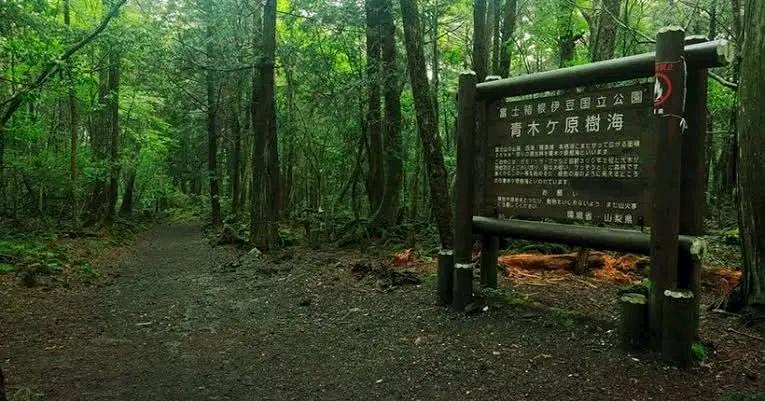
    জাপানের “সু ইসাইড ফরেস্ট” নামে পরিচিত অরণ্যটির প্রকৃত নাম আওকিগাহারা (Aokigahara)। এটি বিশ্বের অন্যতম রহস্যময় এবং মর্মান্তিক স্থান হিসেবে পরিচিত। নিচে আওকিগাহারা বন সম্পর্কে কিছু গুরুত্বপূর্ণ তথ্য দেওয়া হলো:

    নাম: আওকিগাহারা (Aokigahara), অর্থ "নীল গাছের সমুদ্র"

    অন্য নাম: "সুই সাইড ফরেস্ট" বা "জঙ্গলের আ ত্মহ ত্যা ক্ষেত্র"
    ফুজি পর্বতের পাদদেশে, জাপানের হনশু দ্বীপে।

    প্রায় ৩০ বর্গ কিলোমিটার জায়গা জুড়ে অবস্থিত।

    আওকিগাহারা বনটি অত্যন্ত ঘন এবং নীরব। এখানকার গাছগুলো এত ঘন যে বাতাস এবং আলো ভেতরে খুব কম প্রবেশ করে।

    লাভা বেড়ে গঠিত হওয়ায় এখানে কম্পাস কাজ করে না—এটা অনেক অভিযাত্রী ও পর্যটকদের পথ হারানোর একটি কারণ।

    এটি একটি "Soundproof Forest", কারণ গাছের ঘনত্ব শব্দ শোষণ করে ফেলে।


    আ ত্মহ ত্যার ইতিহাস:
    এটি বিশ্বে দ্বিতীয় সর্বোচ্চ আ ত্মহ ত্যার স্থান (প্রথম: গোল্ডেন গেট ব্রিজ, USA)।

    প্রতি বছর অসংখ্য মানুষ এই বনে গিয়ে আ ত্মহ ত্যা করেন।

    স্থানীয় প্রশাসন নিয়মিতভাবে "দেহ উদ্ধার অভিযান" চালায়।

    বনের প্রবেশপথে সতর্কতামূলক বোর্ড ঝোলানো থাকে, যাতে লেখা থাকে:

    > “আপনার জীবন আপনার মূল্যবান। আপনার পরিবারের কথা ভাবুন। দয়া করে সাহায্য চাইতে দ্বিধা করবেন না।”

    সাংস্কৃতিক ও ঐতিহাসিক পটভূমি:

    কিছু গবেষক মনে করেন, এই বনের খা রাপ খ্যাতির উৎস হতে পারে "উবাসুতে" নামক একটি প্রাচীন প্রথা, যেখানে বৃদ্ধ বা অসুস্থ আত্মীয়দের পর্বতের জঙ্গলে ফেলে রাখা হতো।

    মিচিও সুই (Seicho Matsumoto) নামক এক জাপানি লেখক তাঁর উপন্যাস "Tower of Waves" (1959)-এ এই বনের কথা উল্লেখ করেন, যেখানে এক দম্পতি এখানে আ ত্মহ ত্যা করে।

    আধুনিক যুগে অনেক ইউটিউবার ও পর্যটক বনের ভিতরে ভিডিও করে, যার কারণে এটিকে আরও রহস্যময় ও বিতর্কিত করে তোলে।

    🎥 চলচ্চিত্র ও মিডিয়া:

    "The Forest" (2016) নামক একটি হলিউড হরর সিনেমা এই জঙ্গলকে কেন্দ্র করে নির্মিত।

    অনেক ডকুমেন্টারি ও ইউটিউব চ্যানেল আওকিগাহারার আতঙ্ক এবং সত্য ঘটনা তুলে ধরেছে।

    🛑 জাপান সরকার কী করে?

    প্রশাসন আ ত্মহ ত্যা নিরুৎসাহিত করতে প্রতিনিয়ত প্রচারণা চালায়।

    বনের কিছু এলাকায় সিসিটিভি ক্যামেরা স্থাপন করা হয়েছে।

    স্থানীয় স্বেচ্ছাসেবীরা বনে টহল দেন এবং সন্দেহভাজনদের সহায়তা করেন।

    (Collected from various websites)

    So Ny
    Paranormal Society BD

    NOTE : THIS POST IS COPYRIGHT PROTECTED
    ©

    Don't try to copy without permission...
    Otherwise Facebook community can take actions .
    আওকিগাহারা বা সু ইসাইড ফরেস্ট ☠️ জাপানের “সু ইসাইড ফরেস্ট” নামে পরিচিত অরণ্যটির প্রকৃত নাম আওকিগাহারা (Aokigahara)। এটি বিশ্বের অন্যতম রহস্যময় এবং মর্মান্তিক স্থান হিসেবে পরিচিত। নিচে আওকিগাহারা বন সম্পর্কে কিছু গুরুত্বপূর্ণ তথ্য দেওয়া হলো: নাম: আওকিগাহারা (Aokigahara), অর্থ "নীল গাছের সমুদ্র" অন্য নাম: "সুই সাইড ফরেস্ট" বা "জঙ্গলের আ ত্মহ ত্যা ক্ষেত্র" ফুজি পর্বতের পাদদেশে, জাপানের হনশু দ্বীপে। প্রায় ৩০ বর্গ কিলোমিটার জায়গা জুড়ে অবস্থিত। আওকিগাহারা বনটি অত্যন্ত ঘন এবং নীরব। এখানকার গাছগুলো এত ঘন যে বাতাস এবং আলো ভেতরে খুব কম প্রবেশ করে। লাভা বেড়ে গঠিত হওয়ায় এখানে কম্পাস কাজ করে না—এটা অনেক অভিযাত্রী ও পর্যটকদের পথ হারানোর একটি কারণ। এটি একটি "Soundproof Forest", কারণ গাছের ঘনত্ব শব্দ শোষণ করে ফেলে। আ ত্মহ ত্যার ইতিহাস: এটি বিশ্বে দ্বিতীয় সর্বোচ্চ আ ত্মহ ত্যার স্থান (প্রথম: গোল্ডেন গেট ব্রিজ, USA)। প্রতি বছর অসংখ্য মানুষ এই বনে গিয়ে আ ত্মহ ত্যা করেন। স্থানীয় প্রশাসন নিয়মিতভাবে "দেহ উদ্ধার অভিযান" চালায়। বনের প্রবেশপথে সতর্কতামূলক বোর্ড ঝোলানো থাকে, যাতে লেখা থাকে: > “আপনার জীবন আপনার মূল্যবান। আপনার পরিবারের কথা ভাবুন। দয়া করে সাহায্য চাইতে দ্বিধা করবেন না।” সাংস্কৃতিক ও ঐতিহাসিক পটভূমি: কিছু গবেষক মনে করেন, এই বনের খা রাপ খ্যাতির উৎস হতে পারে "উবাসুতে" নামক একটি প্রাচীন প্রথা, যেখানে বৃদ্ধ বা অসুস্থ আত্মীয়দের পর্বতের জঙ্গলে ফেলে রাখা হতো। মিচিও সুই (Seicho Matsumoto) নামক এক জাপানি লেখক তাঁর উপন্যাস "Tower of Waves" (1959)-এ এই বনের কথা উল্লেখ করেন, যেখানে এক দম্পতি এখানে আ ত্মহ ত্যা করে। আধুনিক যুগে অনেক ইউটিউবার ও পর্যটক বনের ভিতরে ভিডিও করে, যার কারণে এটিকে আরও রহস্যময় ও বিতর্কিত করে তোলে। 🎥 চলচ্চিত্র ও মিডিয়া: "The Forest" (2016) নামক একটি হলিউড হরর সিনেমা এই জঙ্গলকে কেন্দ্র করে নির্মিত। অনেক ডকুমেন্টারি ও ইউটিউব চ্যানেল আওকিগাহারার আতঙ্ক এবং সত্য ঘটনা তুলে ধরেছে। 🛑 জাপান সরকার কী করে? প্রশাসন আ ত্মহ ত্যা নিরুৎসাহিত করতে প্রতিনিয়ত প্রচারণা চালায়। বনের কিছু এলাকায় সিসিটিভি ক্যামেরা স্থাপন করা হয়েছে। স্থানীয় স্বেচ্ছাসেবীরা বনে টহল দেন এবং সন্দেহভাজনদের সহায়তা করেন। (Collected from various websites) So Ny Paranormal Society BD NOTE : THIS POST IS COPYRIGHT PROTECTED © Don't try to copy without permission... Otherwise Facebook community can take actions .
    0 Comments 0 Shares 546 Views
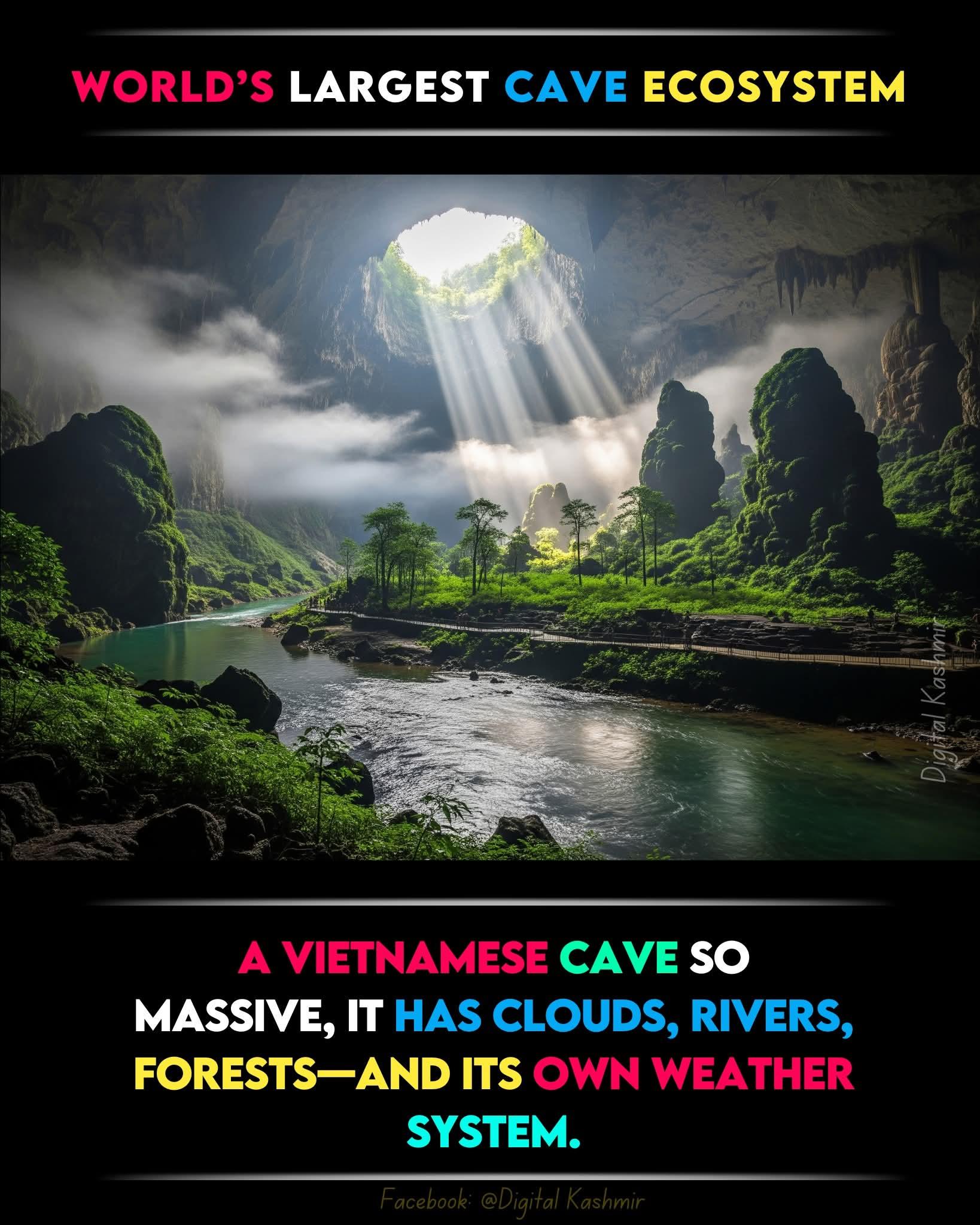
  • Deep in Vietnam’s Phong Nha-Kẻ Bàng National Park lies Sơn Đoòng — the largest cave on Earth, so vast it has its own weather system. This underground marvel is home to drifting clouds, flowing rivers, and entire forests teeming with life. Discovered in 1991 and fully explored only in 2009, its cathedral-like chambers are over 200 meters tall — large enough to fit a 40-story building! Light streaming through collapsed ceilings allows plant life to thrive, creating a surreal ecosystem hidden from the outside world. It’s a cave… with its own climate. Nature, once again, redefines awe.

    Image is for representation only.

    #vietnamcave
    #sondoong
    #HiddenEcosystem
    #NatureWonders
    Deep in Vietnam’s Phong Nha-Kẻ Bàng National Park lies Sơn Đoòng — the largest cave on Earth, so vast it has its own weather system. This underground marvel is home to drifting clouds, flowing rivers, and entire forests teeming with life. Discovered in 1991 and fully explored only in 2009, its cathedral-like chambers are over 200 meters tall — large enough to fit a 40-story building! Light streaming through collapsed ceilings allows plant life to thrive, creating a surreal ecosystem hidden from the outside world. It’s a cave… with its own climate. Nature, once again, redefines awe. Image is for representation only. #vietnamcave #sondoong #HiddenEcosystem #NatureWonders
    0 Comments 0 Shares 645 Views
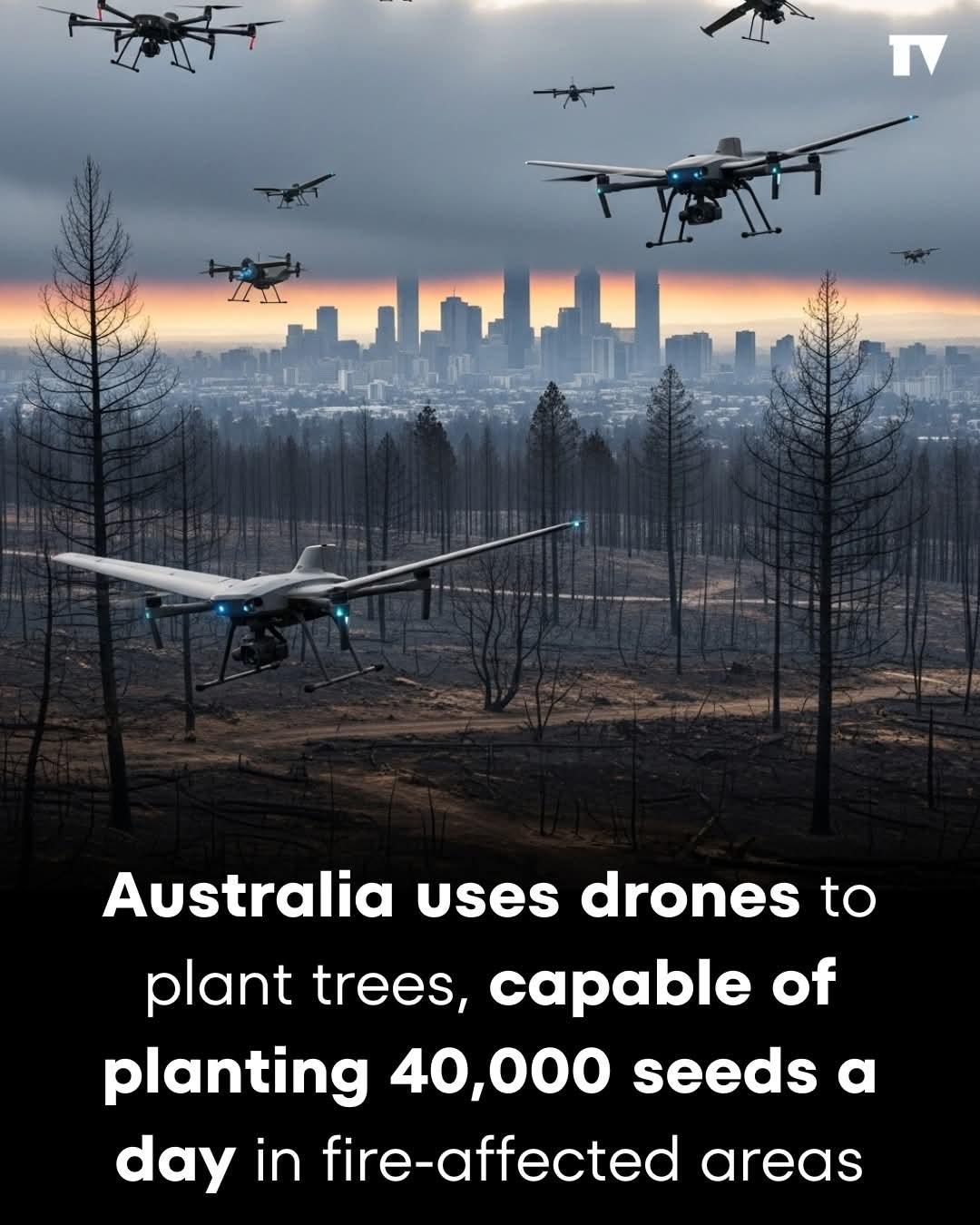
  • Australia is using drones to plant trees in bushfire-ravaged regions, with each drone capable of planting 40,000 seeds daily, outpacing traditional methods and aiding ecosystem recovery amid worsening climate-driven wildfires.

    These aerial drones deploy biodegradable seed pods with native seeds, nutrients, and protective coatings, guided by GPS and AI to target optimal planting sites with precision, eliminating the need for manual labor in hazardous areas.

    This scalable, high-tech reforestation model accelerates forest recovery, boosts carbon capture, and restores wildlife habitats, showcasing a powerful collaboration between technology and nature to combat environmental damage.
    Australia is using drones to plant trees in bushfire-ravaged regions, with each drone capable of planting 40,000 seeds daily, outpacing traditional methods and aiding ecosystem recovery amid worsening climate-driven wildfires. These aerial drones deploy biodegradable seed pods with native seeds, nutrients, and protective coatings, guided by GPS and AI to target optimal planting sites with precision, eliminating the need for manual labor in hazardous areas. This scalable, high-tech reforestation model accelerates forest recovery, boosts carbon capture, and restores wildlife habitats, showcasing a powerful collaboration between technology and nature to combat environmental damage.
    0 Comments 0 Shares 703 Views
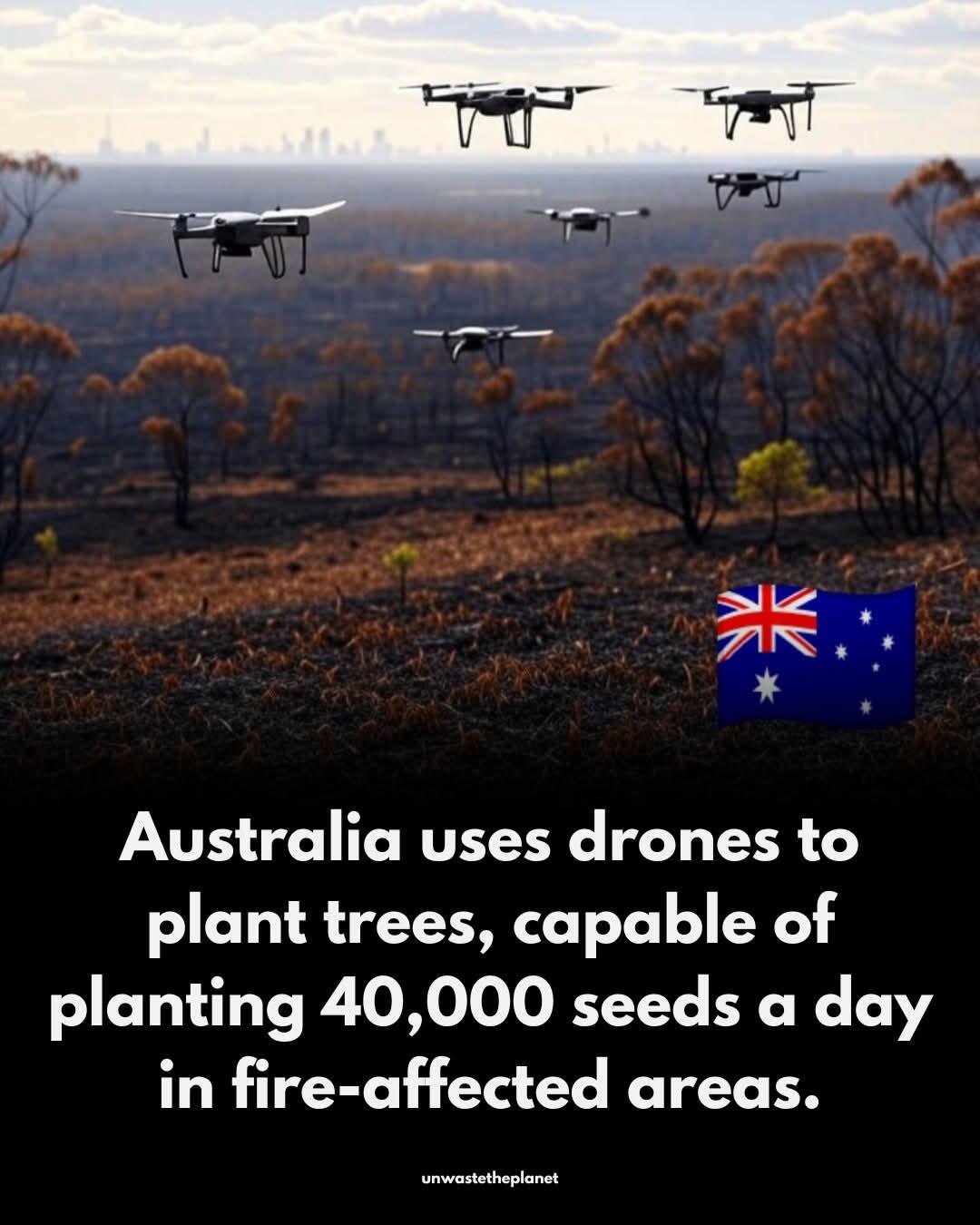
  • Australia is now deploying drones to plant trees—particularly in regions devastated by bushfires—with each drone capable of planting up to 40,000 seeds per day. This technology-driven method is restoring large, damaged ecosystems at a scale and speed that traditional tree-planting methods cannot match, a crucial advantage as climate change continues to intensify the frequency and severity of wildfires.

    The innovation lies in aerial drones equipped with biodegradable seed pods that contain native tree seeds, essential nutrients, and protective coatings to boost germination and survival rates. Guided by GPS and powered by AI, the drones identify optimal planting sites, navigate difficult terrain, and drop the pods with pinpoint accuracy—eliminating the need for manual labor in hazardous or inaccessible areas.

    Traditionally, reforestation has been a slow, labor-intensive process, relying on human workers to plant saplings one by one. Now, with drone-based planting, Australia is pioneering a scalable, high-tech reforestation model that accelerates forest recovery, increases carbon capture, and helps restore critical wildlife habitats. It’s a compelling example of how technology and nature can work together to address environmental destruction in the modern era.

    Sources:
    AirSeed Technologies, “Drone Reforestation Projects in Australia,” 2023.
    The Guardian, “Australian Drones Plant Trees to Fight Climate Change and Restore Forests,” 2023.
    BBC News, “Tree-Planting Drones Aim to Restore Burned Landscapes,” 2023.

    Australia is now deploying drones to plant trees—particularly in regions devastated by bushfires—with each drone capable of planting up to 40,000 seeds per day. This technology-driven method is restoring large, damaged ecosystems at a scale and speed that traditional tree-planting methods cannot match, a crucial advantage as climate change continues to intensify the frequency and severity of wildfires. The innovation lies in aerial drones equipped with biodegradable seed pods that contain native tree seeds, essential nutrients, and protective coatings to boost germination and survival rates. Guided by GPS and powered by AI, the drones identify optimal planting sites, navigate difficult terrain, and drop the pods with pinpoint accuracy—eliminating the need for manual labor in hazardous or inaccessible areas. Traditionally, reforestation has been a slow, labor-intensive process, relying on human workers to plant saplings one by one. Now, with drone-based planting, Australia is pioneering a scalable, high-tech reforestation model that accelerates forest recovery, increases carbon capture, and helps restore critical wildlife habitats. It’s a compelling example of how technology and nature can work together to address environmental destruction in the modern era. Sources: AirSeed Technologies, “Drone Reforestation Projects in Australia,” 2023. The Guardian, “Australian Drones Plant Trees to Fight Climate Change and Restore Forests,” 2023. BBC News, “Tree-Planting Drones Aim to Restore Burned Landscapes,” 2023.

    0 Comments 0 Shares 654 Views
  • In a major advancement for sustainable manufacturing, Chinese researchers have developed a process to create a new type of paper from a combination of desert sand and agricultural waste. This innovative material, often referred to as "stone paper," uses calcium carbonate from sand and discarded fibers from sources like cotton stalks. Unlike traditional paper production, which is a resource-intensive process requiring large amounts of water and wood pulp, this method is designed to be free of water, bleaching chemicals, and deforestation.

    This breakthrough technology has significant environmental and economic implications. By transforming abundant, previously unusable materials like desert sand into a valuable resource, China is addressing both the issue of desertification and the high environmental cost of traditional paper production. The resulting paper is not only waterproof and tear-resistant but also recyclable and durable, offering a more sustainable alternative for various applications, including packaging, notebooks, and posters. This shift towards using non-traditional materials for manufacturing demonstrates a new approach to eco-conscious production and has the potential to transform economies in arid regions.

    #SustainableTech #Innovation #DesertPaper #China #GreenManufacturing
    In a major advancement for sustainable manufacturing, Chinese researchers have developed a process to create a new type of paper from a combination of desert sand and agricultural waste. This innovative material, often referred to as "stone paper," uses calcium carbonate from sand and discarded fibers from sources like cotton stalks. Unlike traditional paper production, which is a resource-intensive process requiring large amounts of water and wood pulp, this method is designed to be free of water, bleaching chemicals, and deforestation. This breakthrough technology has significant environmental and economic implications. By transforming abundant, previously unusable materials like desert sand into a valuable resource, China is addressing both the issue of desertification and the high environmental cost of traditional paper production. The resulting paper is not only waterproof and tear-resistant but also recyclable and durable, offering a more sustainable alternative for various applications, including packaging, notebooks, and posters. This shift towards using non-traditional materials for manufacturing demonstrates a new approach to eco-conscious production and has the potential to transform economies in arid regions. #SustainableTech #Innovation #DesertPaper #China #GreenManufacturing
    0 Comments 0 Shares 490 Views
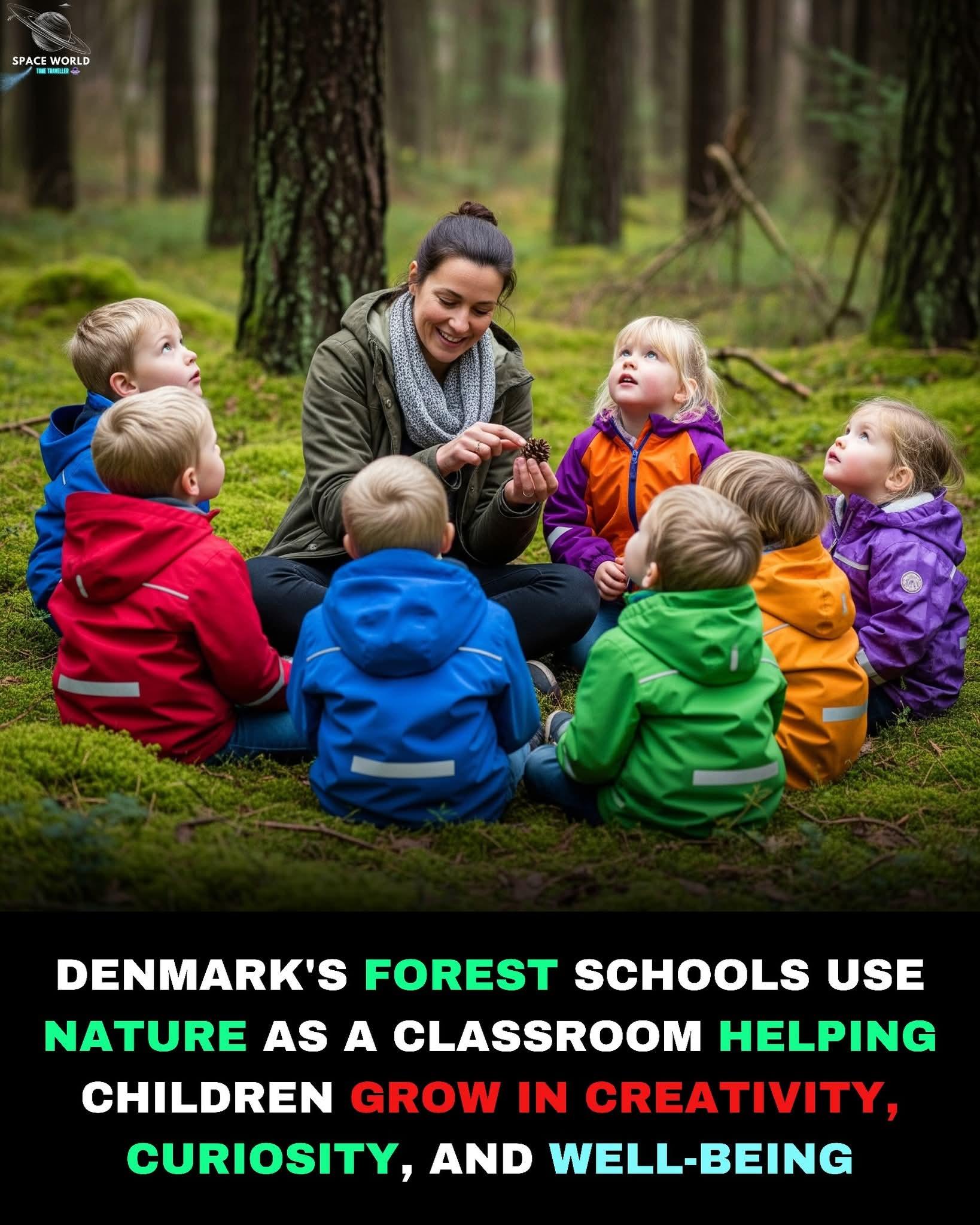
  • Denmark is known for its innovative “forest schools,” where nature becomes the classroom and learning happens in the great outdoors. These schools—also known as skovbørnehaver—focus on outdoor, play-based education, where children spend most of their day exploring forests, building shelters, climbing trees, and observing wildlife. This model supports not just academic growth but also social, emotional, and physical development. The idea is to let kids be kids—curious, free, and connected to nature.

    Research has shown that children in forest schools often demonstrate stronger problem-solving skills, better cooperation, and reduced stress levels. In Denmark, this approach is deeply rooted in the belief that early childhood education should nurture creativity and confidence rather than revolve around rigid academics. With rising interest in alternative learning models worldwide, Denmark’s forest schools are inspiring educators across the globe to rethink what a classroom can be.

    #denmark #facts #DenmarkEducation #ChildDevelopment #didyouknowfacts
    Denmark is known for its innovative “forest schools,” where nature becomes the classroom and learning happens in the great outdoors. These schools—also known as skovbørnehaver—focus on outdoor, play-based education, where children spend most of their day exploring forests, building shelters, climbing trees, and observing wildlife. This model supports not just academic growth but also social, emotional, and physical development. The idea is to let kids be kids—curious, free, and connected to nature. Research has shown that children in forest schools often demonstrate stronger problem-solving skills, better cooperation, and reduced stress levels. In Denmark, this approach is deeply rooted in the belief that early childhood education should nurture creativity and confidence rather than revolve around rigid academics. With rising interest in alternative learning models worldwide, Denmark’s forest schools are inspiring educators across the globe to rethink what a classroom can be. #denmark #facts #DenmarkEducation #ChildDevelopment #didyouknowfacts
    0 Comments 0 Shares 572 Views
  • Cute animals in your path!

    Cute chipmunks were captured foraging among the pine trees at a forest park in Daqing City, northeast China's Heilongjiang Province Chipmunks are the smallest in the squirrel family and are unique for the black stripes running along their backs. #ChinaSeen
    Cute animals in your path! Cute chipmunks were captured foraging among the pine trees at a forest park in Daqing City, northeast China's Heilongjiang Province Chipmunks are the smallest in the squirrel family and are unique for the black stripes running along their backs. #ChinaSeen
    0 Comments 0 Shares 412 Views
More Results
BlackBird Ai
https://bbai.shop