


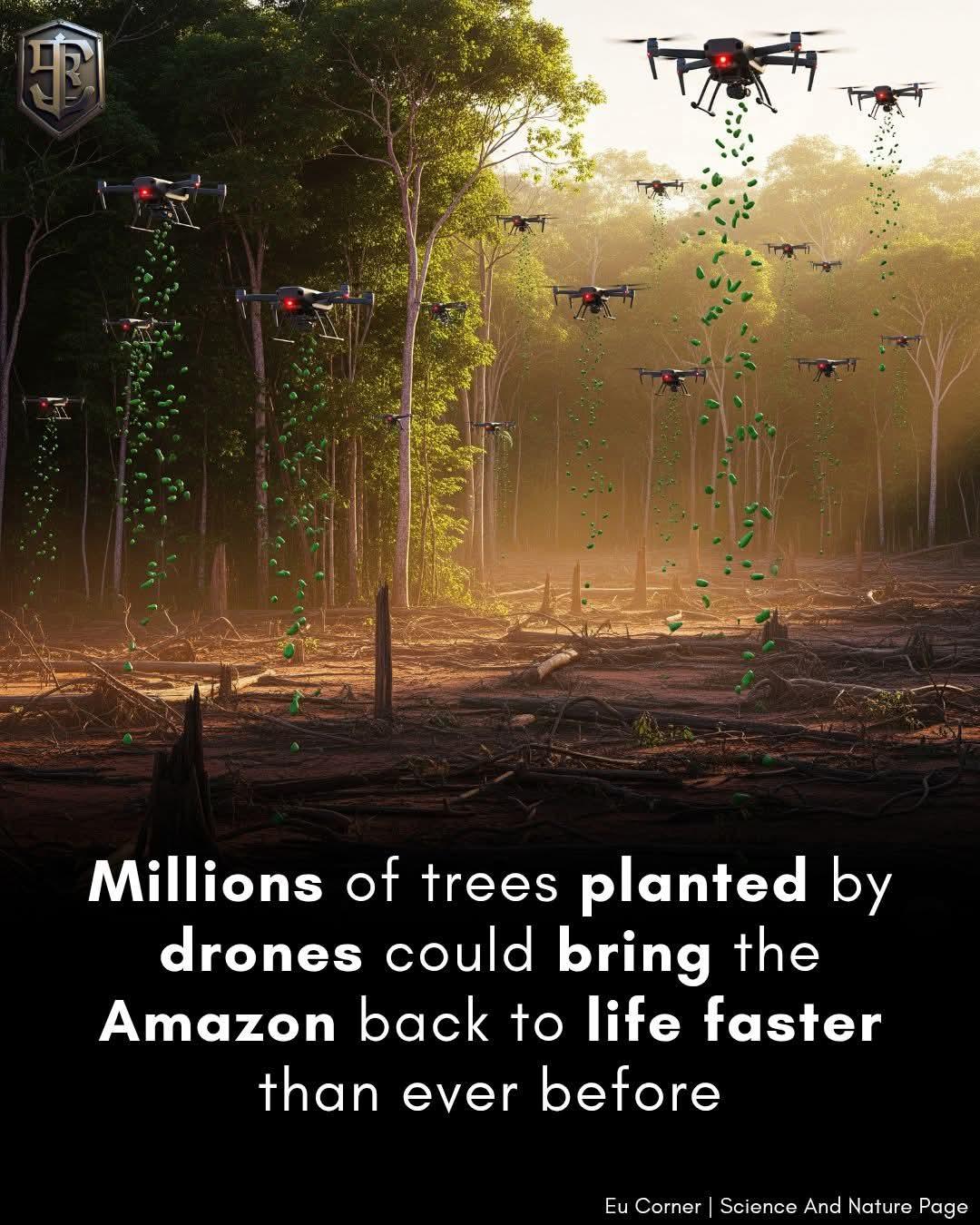
• Brazil pioneers reforestation drone swarm that plants 100,000 trees per day

    Brazilian environmentalists and engineers have launched a drone swarm system capable of planting over 100,000 trees daily in deforested areas, accelerating efforts to restore the Amazon rainforest. The drones autonomously map degraded land, select optimal planting spots, and disperse seed pods embedded in nutrient-rich capsules.

    Each drone operates with GPS precision and AI-powered terrain analysis, adjusting flight paths to avoid obstacles and maximize coverage. Seed pods are designed to germinate quickly and protect young plants from pests and drought.

    This approach vastly outpaces manual planting methods, which are labor-intensive and slow, enabling large-scale reforestation in remote or dangerous areas. The drones can also monitor newly planted zones, collecting data on growth rates and environmental conditions to guide future efforts.

    Partnerships with local communities ensure sustainable management and biodiversity preservation, integrating drone technology with traditional conservation knowledge. The project aims to restore millions of hectares over the next decade, contributing to global climate change mitigation.

    Brazil’s drone swarm system is seen as a model for other countries facing deforestation, offering a scalable and cost-effective solution to one of the planet’s most urgent ecological challenges.
    Brazil pioneers reforestation drone swarm that plants 100,000 trees per day Brazilian environmentalists and engineers have launched a drone swarm system capable of planting over 100,000 trees daily in deforested areas, accelerating efforts to restore the Amazon rainforest. The drones autonomously map degraded land, select optimal planting spots, and disperse seed pods embedded in nutrient-rich capsules. Each drone operates with GPS precision and AI-powered terrain analysis, adjusting flight paths to avoid obstacles and maximize coverage. Seed pods are designed to germinate quickly and protect young plants from pests and drought. This approach vastly outpaces manual planting methods, which are labor-intensive and slow, enabling large-scale reforestation in remote or dangerous areas. The drones can also monitor newly planted zones, collecting data on growth rates and environmental conditions to guide future efforts. Partnerships with local communities ensure sustainable management and biodiversity preservation, integrating drone technology with traditional conservation knowledge. The project aims to restore millions of hectares over the next decade, contributing to global climate change mitigation. Brazil’s drone swarm system is seen as a model for other countries facing deforestation, offering a scalable and cost-effective solution to one of the planet’s most urgent ecological challenges.
    0 Commentarios 0 Acciones 802 Views
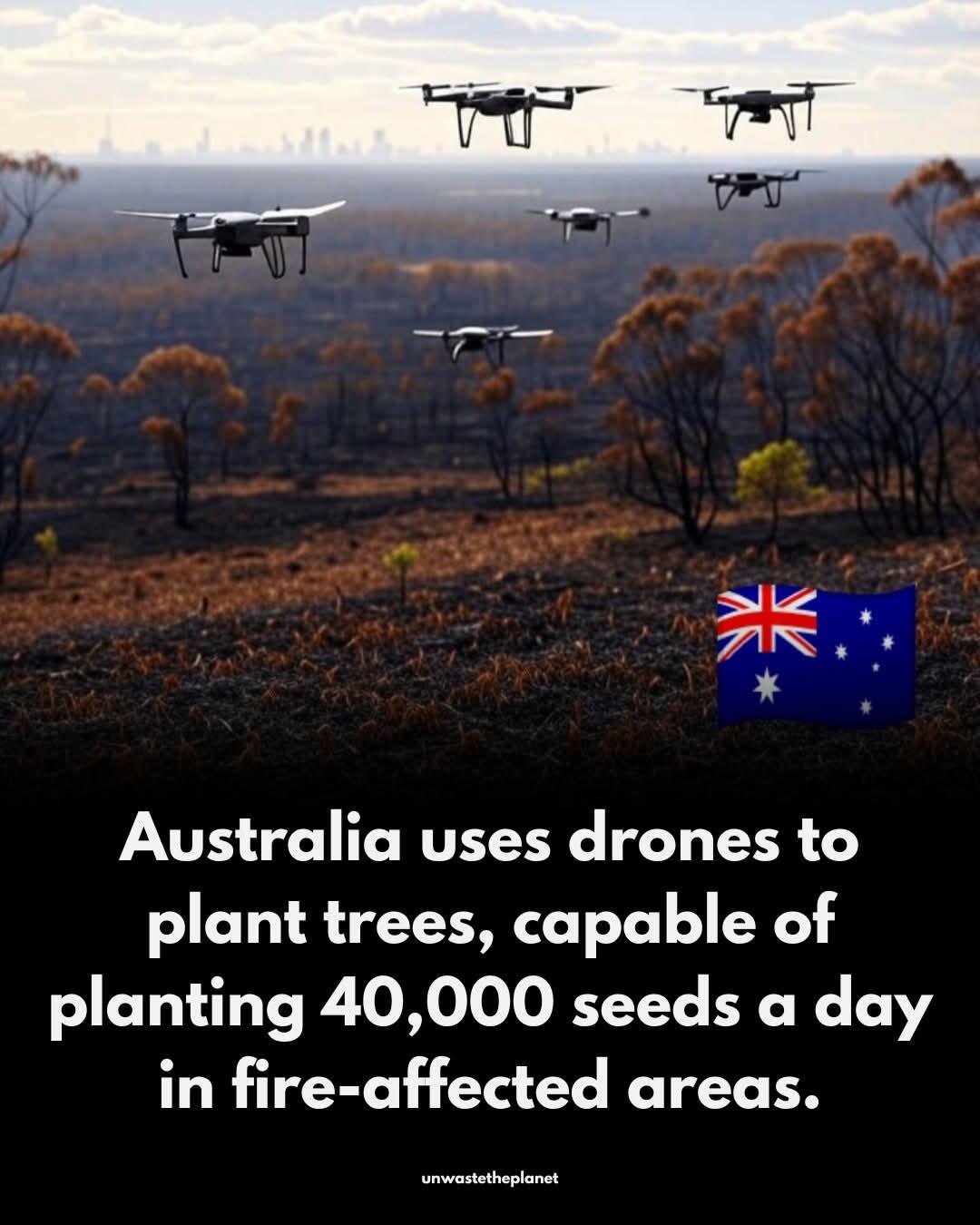
  • Australia is now deploying drones to plant trees—particularly in regions devastated by bushfires—with each drone capable of planting up to 40,000 seeds per day. This technology-driven method is restoring large, damaged ecosystems at a scale and speed that traditional tree-planting methods cannot match, a crucial advantage as climate change continues to intensify the frequency and severity of wildfires.

    The innovation lies in aerial drones equipped with biodegradable seed pods that contain native tree seeds, essential nutrients, and protective coatings to boost germination and survival rates. Guided by GPS and powered by AI, the drones identify optimal planting sites, navigate difficult terrain, and drop the pods with pinpoint accuracy—eliminating the need for manual labor in hazardous or inaccessible areas.

    Traditionally, reforestation has been a slow, labor-intensive process, relying on human workers to plant saplings one by one. Now, with drone-based planting, Australia is pioneering a scalable, high-tech reforestation model that accelerates forest recovery, increases carbon capture, and helps restore critical wildlife habitats. It’s a compelling example of how technology and nature can work together to address environmental destruction in the modern era.

    Sources:
    AirSeed Technologies, “Drone Reforestation Projects in Australia,” 2023.
    The Guardian, “Australian Drones Plant Trees to Fight Climate Change and Restore Forests,” 2023.
    BBC News, “Tree-Planting Drones Aim to Restore Burned Landscapes,” 2023.
    Australia is now deploying drones to plant trees—particularly in regions devastated by bushfires—with each drone capable of planting up to 40,000 seeds per day. This technology-driven method is restoring large, damaged ecosystems at a scale and speed that traditional tree-planting methods cannot match, a crucial advantage as climate change continues to intensify the frequency and severity of wildfires. The innovation lies in aerial drones equipped with biodegradable seed pods that contain native tree seeds, essential nutrients, and protective coatings to boost germination and survival rates. Guided by GPS and powered by AI, the drones identify optimal planting sites, navigate difficult terrain, and drop the pods with pinpoint accuracy—eliminating the need for manual labor in hazardous or inaccessible areas. Traditionally, reforestation has been a slow, labor-intensive process, relying on human workers to plant saplings one by one. Now, with drone-based planting, Australia is pioneering a scalable, high-tech reforestation model that accelerates forest recovery, increases carbon capture, and helps restore critical wildlife habitats. It’s a compelling example of how technology and nature can work together to address environmental destruction in the modern era. Sources: AirSeed Technologies, “Drone Reforestation Projects in Australia,” 2023. The Guardian, “Australian Drones Plant Trees to Fight Climate Change and Restore Forests,” 2023. BBC News, “Tree-Planting Drones Aim to Restore Burned Landscapes,” 2023.
    0 Commentarios 0 Acciones 654 Views
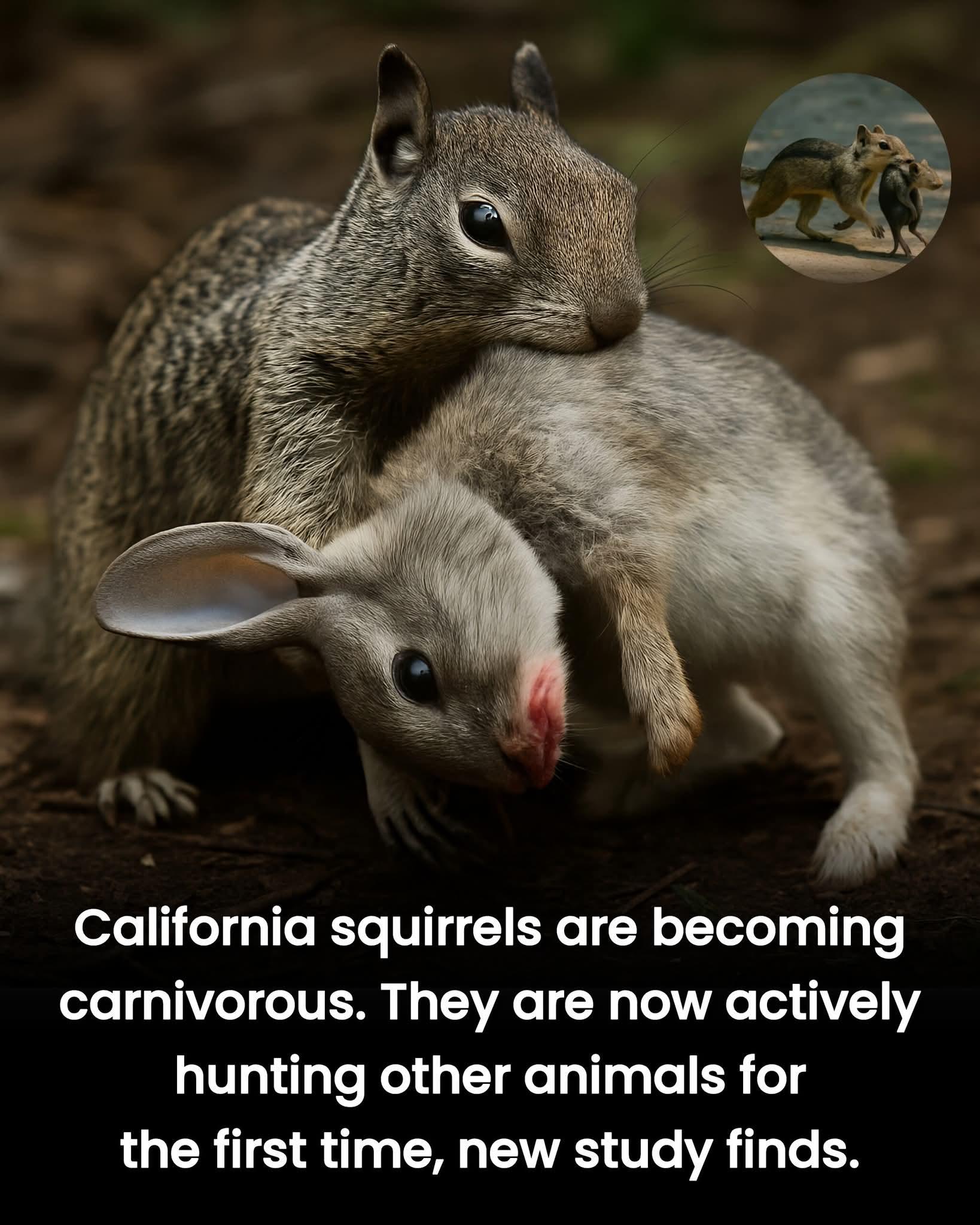
  • A new 2024 study has uncovered something few thought possible: California ground squirrels have turned carnivorous.

    📍 In Briones Regional Park near Oakland, researchers observed squirrels not just scavenging — but actively stalking, attacking, and killing voles, a small rodent species. Some were even seen decapitating their prey before eating it.

    👀 Over just two months, scientists documented 74 squirrel–vole interactions, with nearly half resulting in a kill. Even more surprising? It wasn’t just a few rogue squirrels — males, females, and juveniles all participated in the hunts. Once researchers knew what to watch for, they were witnessing the behavior almost daily.

    According to UC Davis behavioral ecologist Sonja Wild, this unexpected hunting may be a sign of dietary flexibility — a survival strategy in response to urban pressures and climate change.

    🧬 It’s the first known case of widespread predatory behavior in this species. And it’s making scientists rethink what squirrels are truly capable of.
    A new 2024 study has uncovered something few thought possible: California ground squirrels have turned carnivorous. 📍 In Briones Regional Park near Oakland, researchers observed squirrels not just scavenging — but actively stalking, attacking, and killing voles, a small rodent species. Some were even seen decapitating their prey before eating it. 👀 Over just two months, scientists documented 74 squirrel–vole interactions, with nearly half resulting in a kill. Even more surprising? It wasn’t just a few rogue squirrels — males, females, and juveniles all participated in the hunts. Once researchers knew what to watch for, they were witnessing the behavior almost daily. According to UC Davis behavioral ecologist Sonja Wild, this unexpected hunting may be a sign of dietary flexibility — a survival strategy in response to urban pressures and climate change. 🧬 It’s the first known case of widespread predatory behavior in this species. And it’s making scientists rethink what squirrels are truly capable of.
    0 Commentarios 0 Acciones 214 Views
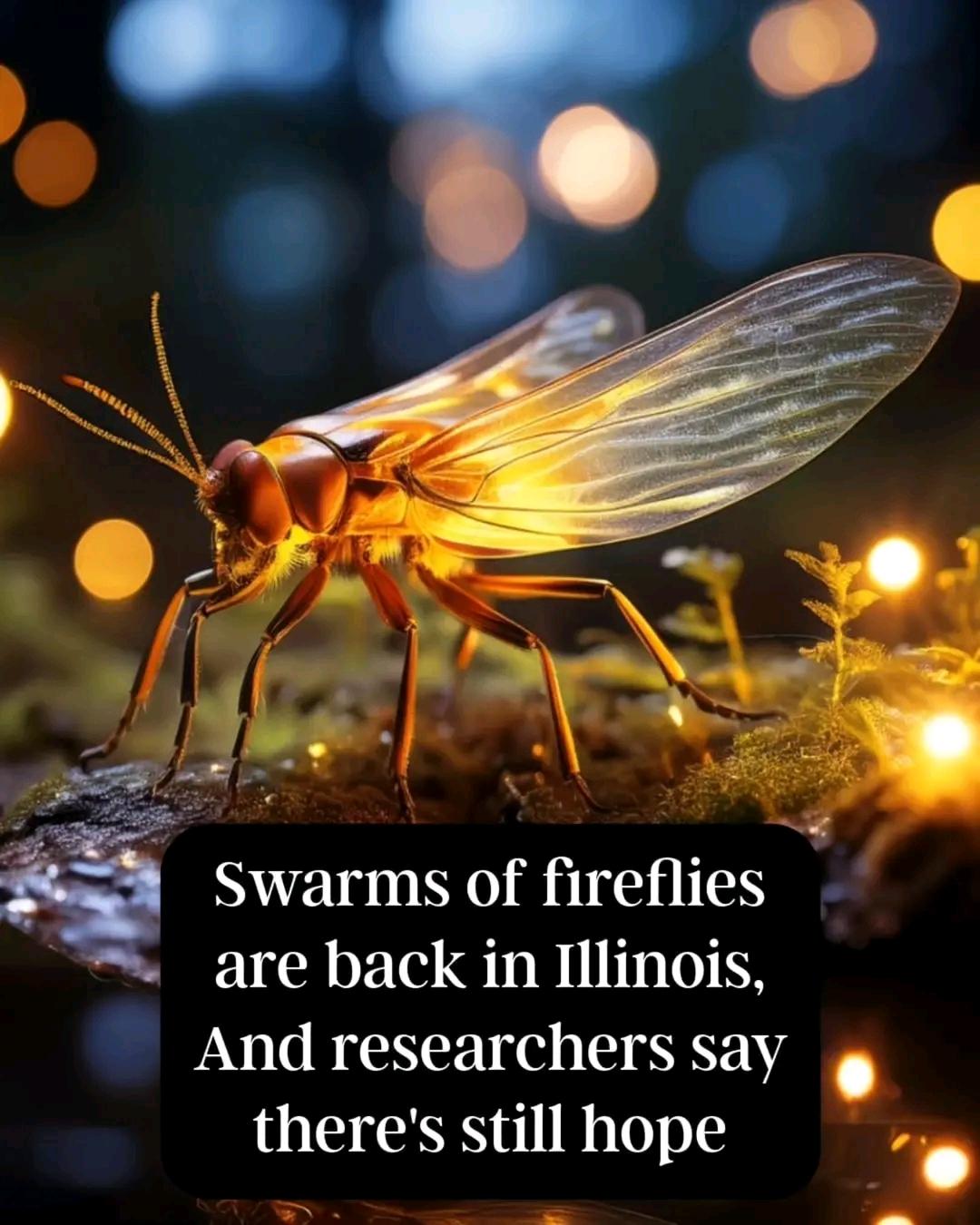
  • In Illinois, summer 2025 has brought a resurgence of firefly swarms, sparking hope among researchers and enthusiasts that these bioluminescent beetles can overcome population declines.

    Recent sightings, like those during a Bolingbrook hike, show fireflies thriving despite challenges like climate change, habitat loss, light pollution, and pesticides. These factors threaten the 26 firefly species in Illinois, with the cypress firefly listed as vulnerable and six others data-deficient, per the International Union for Conservation of Nature.

    Anecdotal data makes it hard to confirm population trends, but increased sightings suggest local abundance, particularly in the Midwest, where climate shifts may favor fireflies. Researchers like Richard Joyce of the Firefly Atlas emphasize that habitat degradation, from urban development to chemical use, disrupts larvae development and mating.

    Simple conservation steps—reducing outdoor lighting, limiting pesticides, and preserving natural habitats with tall grasses and leaves—can help. Fireflies, spending most of their lives as larvae, rely on moist soil and prey like slugs.

    By fostering firefly-friendly environments, communities can support their recovery. This resurgence offers a chance to protect these enchanting insects, ensuring their glow continues to light up summer nights.
    In Illinois, summer 2025 has brought a resurgence of firefly swarms, sparking hope among researchers and enthusiasts that these bioluminescent beetles can overcome population declines. Recent sightings, like those during a Bolingbrook hike, show fireflies thriving despite challenges like climate change, habitat loss, light pollution, and pesticides. These factors threaten the 26 firefly species in Illinois, with the cypress firefly listed as vulnerable and six others data-deficient, per the International Union for Conservation of Nature. Anecdotal data makes it hard to confirm population trends, but increased sightings suggest local abundance, particularly in the Midwest, where climate shifts may favor fireflies. Researchers like Richard Joyce of the Firefly Atlas emphasize that habitat degradation, from urban development to chemical use, disrupts larvae development and mating. Simple conservation steps—reducing outdoor lighting, limiting pesticides, and preserving natural habitats with tall grasses and leaves—can help. Fireflies, spending most of their lives as larvae, rely on moist soil and prey like slugs. By fostering firefly-friendly environments, communities can support their recovery. This resurgence offers a chance to protect these enchanting insects, ensuring their glow continues to light up summer nights.
    0 Commentarios 0 Acciones 409 Views

  • Climate change

    United Nations • Climate change refers to long-term shifts in temperatures and weather patterns. Human activities have been the main driver of climate change, primarily due to the burning of fossil fuels like coal, oil and gas.
    Could thirsty AI worsen the water crisis? | People & Power Documentary #aljazeeranewslive #aljazeeraenglish #aljazeera
    Our appetite for data is growing fast. And so is the number of data centres filled with computer servers.

    They store and process the data generated by our online activity, from social media to shopping to cloud storage.

    And they consume massive amounts of water and electricity.

    Big Tech companies are building data centres in places like drought-stricken Queretaro, in Mexico.

    We met some of the locals who are struggling to get by on rationed water as more of these thirsty facilities are built nearby.
    Climate change United Nations • Climate change refers to long-term shifts in temperatures and weather patterns. Human activities have been the main driver of climate change, primarily due to the burning of fossil fuels like coal, oil and gas. Could thirsty AI worsen the water crisis? | People & Power Documentary #aljazeeranewslive #aljazeeraenglish #aljazeera Our appetite for data is growing fast. And so is the number of data centres filled with computer servers. They store and process the data generated by our online activity, from social media to shopping to cloud storage. And they consume massive amounts of water and electricity. Big Tech companies are building data centres in places like drought-stricken Queretaro, in Mexico. We met some of the locals who are struggling to get by on rationed water as more of these thirsty facilities are built nearby.
    0 Commentarios 0 Acciones 579 Views
  • With sea levels rising, cities need to adapt.
    This one floats.

    Engineers and architects have designed floating cities that sit atop modular, unsinkable platforms — built to withstand storms, tides, and climate change.

    Each unit collects solar, wind, and wave energy, recycles its own water, and grows its own food.
    No sewage. No emissions. Just clean, self-contained life — on the sea.

    The buildings are lightweight, flexible, and made from recyclable materials like marine-grade composites and bamboo concrete.

    These ocean cities aren’t science fiction anymore.
    Prototypes are already being tested.

    The future of sustainable living… might not be on land.
    With sea levels rising, cities need to adapt. This one floats. Engineers and architects have designed floating cities that sit atop modular, unsinkable platforms — built to withstand storms, tides, and climate change. Each unit collects solar, wind, and wave energy, recycles its own water, and grows its own food. No sewage. No emissions. Just clean, self-contained life — on the sea. The buildings are lightweight, flexible, and made from recyclable materials like marine-grade composites and bamboo concrete. These ocean cities aren’t science fiction anymore. Prototypes are already being tested. The future of sustainable living… might not be on land.
    Love
    4
    0 Commentarios 0 Acciones 663 Views
BlackBird Ai
https://bbai.shop