


 Ai and Tools
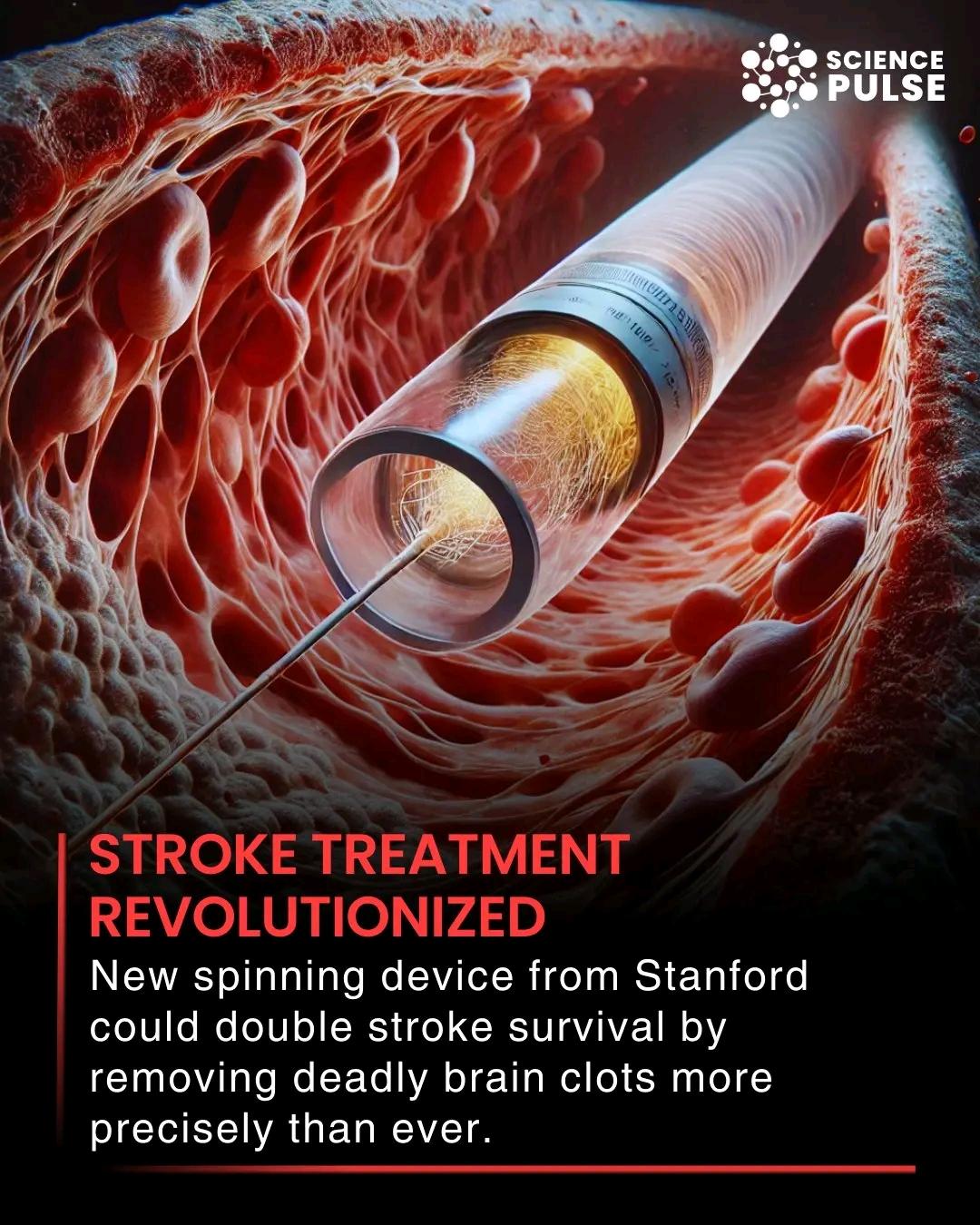
Stanford researchers have created a groundbreaking tool called the “milli-spinner” that could save countless lives by transforming stroke treatment. This tiny device spins and compresses blood clots blocking brain arteries, allowing doctors to remove them far more effectively than current methods. Traditional thrombectomy uses a catheter to suck up or snare clots but often leaves dangerous fragments behind or breaks clots into smaller pieces that can cause further blockages.
The milli-spinner works smarter by carefully cutting and compressing clots up to 95 percent before vacuuming them out. This dramatically reduces leftover fragments and improves the chances of fully restoring blood flow on the first attempt. For the toughest clots, success rates soared from just 11 percent with standard tools to a remarkable 90 percent using the milli-spinner.
This breakthrough could be a game-changer for stroke patients, potentially reducing brain damage and long-term disability. Researchers believe this technology may also be adapted for other types of vascular blockages or even non-medical uses in the future. For now, it offers new hope to millions at risk of devastating strokes by helping doctors safely reopen clogged arteries before permanent harm occurs.
#StrokeTreatment #MedicalInnovation #MilliSpinner #brainhealthtips
The milli-spinner works smarter by carefully cutting and compressing clots up to 95 percent before vacuuming them out. This dramatically reduces leftover fragments and improves the chances of fully restoring blood flow on the first attempt. For the toughest clots, success rates soared from just 11 percent with standard tools to a remarkable 90 percent using the milli-spinner.
This breakthrough could be a game-changer for stroke patients, potentially reducing brain damage and long-term disability. Researchers believe this technology may also be adapted for other types of vascular blockages or even non-medical uses in the future. For now, it offers new hope to millions at risk of devastating strokes by helping doctors safely reopen clogged arteries before permanent harm occurs.
#StrokeTreatment #MedicalInnovation #MilliSpinner #brainhealthtips
Stanford researchers have created a groundbreaking tool called the “milli-spinner” that could save countless lives by transforming stroke treatment. This tiny device spins and compresses blood clots blocking brain arteries, allowing doctors to remove them far more effectively than current methods. Traditional thrombectomy uses a catheter to suck up or snare clots but often leaves dangerous fragments behind or breaks clots into smaller pieces that can cause further blockages.
The milli-spinner works smarter by carefully cutting and compressing clots up to 95 percent before vacuuming them out. This dramatically reduces leftover fragments and improves the chances of fully restoring blood flow on the first attempt. For the toughest clots, success rates soared from just 11 percent with standard tools to a remarkable 90 percent using the milli-spinner.
This breakthrough could be a game-changer for stroke patients, potentially reducing brain damage and long-term disability. Researchers believe this technology may also be adapted for other types of vascular blockages or even non-medical uses in the future. For now, it offers new hope to millions at risk of devastating strokes by helping doctors safely reopen clogged arteries before permanent harm occurs.
#StrokeTreatment #MedicalInnovation #MilliSpinner #brainhealthtips
0 Commentarios
0 Acciones
4K Views


 English
 Bangla
 China
China
 Arabic
 French
 German
 Russian