


• Repost.....
    đŸĻ´ āĻŦāĻžāĻšā§āϚāĻžāϰ āϏāĻ¨ā§āĻ§ā§āϝāĻžāϰ āĻĒāϰ āĻšāĻžāϤ-āĻĒāĻžā§Ÿā§‡ āĻŦā§āϝāĻĨāĻž āĻšāϞ⧇ (Growing pain):

    🔸 Tab. Calbo JR (250mg)
    āϰāĻžāϤ⧇ ā§§ āϟāĻž āĻ•āϰ⧇, ā§§ āĻŽāĻžāϏ āĻ–āĻžāĻ“ā§ŸāĻžāĻŦ⧇āύāĨ¤

    ---

    đŸĻˇ āϝ⧇āϏāĻŦ āĻŦāĻžāĻšā§āϚāĻžāϰ āĻĻāĻžāρāϤ āωāĻ āϤ⧇ āĻŦāĻž āĻšāĻžāϟāĻž āĻļāĻŋāĻ–āϤ⧇ āĻĻ⧇āϰāĻŋ āĻ•āϰāϛ⧇:

    🔸 Syp. D-Rise (2000 IU/5ml)
    ā§§ āĻŦ⧇āϞāĻž, ā§§ āĻŽāĻŋāϞāĻŋ āĻ•āϰ⧇, ā§§ āĻŽāĻžāϏ āĻ–āĻžāĻ“ā§ŸāĻžāĻŦ⧇āύāĨ¤

    ---

    😮‍💨 āϰāĻžāϤ⧇ āύāĻžāĻ• āĻŦāĻ¨ā§āϧ āĻšā§Ÿā§‡ āϘ⧁āĻŽā§‡āϰ āĻŦā§āϝāĻžāϘāĻžāϤ āϘāϟāϞ⧇:

    ✅ āωāρāϚ⧁ āĻŦāĻžāϞāĻŋāĻļ⧇ āĻļā§‹ā§ŸāĻžāĻŦ⧇āύāĨ¤
    ✅ āϤāĻžāϰāĻĒāϰ Norsol/Solo Drop
    ā§§ āĻĢā§‹āϟāĻž āĻ•āϰ⧇ ⧍ āύāĻžāϕ⧇ āĻĻāĻŋāĻŦ⧇āύāĨ¤

    ---

    🧷 Diaper rash āĻšāϞ⧇ āϕ⧀ āĻ•āϰāĻŦ⧇āύ:

    🔹 āĻĒā§āϰāϤāĻŋ āĻŦāĻžāϰ āĻĒā§āϰāĻ¸ā§āϰāĻžāĻŦ-āĻĒāĻžā§ŸāĻ–āĻžāύāĻžāϰ āĻĒāϰ Diaper āĻŦāĻĻāϞāĻžāĻŦ⧇āύāĨ¤
    🔹 De-rash Ointment āĻĻāĻŋāύ⧇ ā§Š āĻŦāĻžāϰ Pampers āĻĒāϰāĻžāύ⧋āϰ āφāϗ⧇ āϞāĻžāĻ—āĻžāĻŦ⧇āύāĨ¤
    🔹 Skin sensitive āĻšāϞ⧇ Pampers āĻĒāϰāĻžāĻŦ⧇āύ āύāĻžāĨ¤

    ---

    🤮 āύāĻŦāϜāĻžāϤāϕ⧇āϰ āĻŦāĻŽāĻŋ āĻšāϞ⧇:

    🔸 Omidon Pediatric Drop (5mg/ml)
    ā§Ē–ā§Ģ āĻĢā§‹āϟāĻž āĻ•āϰ⧇, āĻĻāĻŋāύ⧇ ā§Š āĻŦāĻžāϰ, ā§Š–ā§Ģ āĻĻāĻŋāύ

    ---

    🍃 Herbisol Syrup āĻāϰ āĻ•āĻžāϜ āĻ“ āĻĄā§‹āϜ:

    ✅ āĻšāϜāĻŽ āĻļāĻ•ā§āϤāĻŋ āĻŦāĻžā§œāĻžā§Ÿ
    ✅ āĻĒ⧇āϟāĻŦā§āϝāĻĨāĻž-āĻĢāĻžāρāĻĒāĻž āĻ•āĻŽāĻžā§Ÿ
    ✅ āϰ⧁āϚāĻŋ āĻŦāĻžā§œāĻžā§Ÿ āĻ“ āĻ“āϜāύ āĻŦ⧃āĻĻā§āϧāĻŋ āĻ•āϰ⧇
    ✅ āϰ⧋āĻ— āĻĒā§āϰāϤāĻŋāϰ⧋āϧ āĻ“ āĻŽāĻžāύāϏāĻŋāĻ• āĻŦāĻŋāĻ•āĻžāĻļ⧇ āϏāĻšāĻžā§ŸāĻ•

    āĻĄā§‹āϜ:
    🔹 ā§Ŧ āĻŽāĻžāϏ⧇āϰ āύāĻŋāĻšā§‡: ½ āϚāĻž āϚāĻžāĻŽāϚ (ā§Š–ā§Ē āĻŦāĻžāϰ)
    🔹 ā§Ŧ–⧧⧍ āĻŽāĻžāϏ: ā§§ āϚāĻž āϚāĻžāĻŽāϚ (ā§Š–ā§Ē āĻŦāĻžāϰ)
    🔹 ā§§ āĻŦāĻ›āϰ+: ā§§–⧍ āϚāĻž āϚāĻžāĻŽāϚ (ā§Š–ā§Ē āĻŦāĻžāϰ)

    ---

    đŸĒŗ Scabies āĻšāϞ⧇ āϘāϰ⧇āχ āϚāĻŋāĻ•āĻŋā§ŽāϏāĻž:

    🔸 Xyril Syrup:
    â–Ē ā§Ŧ āĻŦāĻ›āϰ⧇āϰ āύāĻŋāĻšā§‡: ā§§ āϚāĻžāĻŽāϚ – āĻĻāĻŋāύ⧇ ⧍ āĻŦāĻžāϰ – ā§­ āĻĻāĻŋāύ
    â–Ē ā§Ŧ āĻŦāĻ›āϰ⧇āϰ āĻŦ⧇āĻļāĻŋ: āĻĻā§‡ā§œ āϚāĻžāĻŽāϚ – āĻĻāĻŋāύ⧇ ⧍ āĻŦāĻžāϰ – ā§­ āĻĻāĻŋāύ

    🔸 Elimate Plus Lotion / Lorix Cream
    â–Ē āĻŽā§āĻ–-āĻŽāĻžāĻĨāĻž āĻŦāĻžāĻĻ⧇ āϏāĻžāϰāĻž āĻļāϰ⧀āϰ⧇ āϰāĻžāϤ⧇ āϞāĻžāĻ—āĻžāĻŦ⧇āύ
    â–Ē ā§Ž–⧧⧍ āϘāĻŖā§āϟāĻž āĻĒāϰ āϏāĻ•āĻžāϞ⧇ āĻšāĻžāϞāĻ•āĻž āĻ—āϰāĻŽ āĻĒāĻžāύāĻŋāϤ⧇ āĻ—ā§‹āϏāϞ
    â–Ē āĻĒāϰāĻĒāϰ ā§Š āĻĻāĻŋāύ
    â–Ē āĻĒāϰāĻŋāĻŦāĻžāϰ⧇āϰ āϏāĻŦāĻžāϰ āĻāĻ•āχ āύāĻŋ⧟āĻŽ

    đŸ§ē āϜāĻžāĻŽāĻž-āĻ•āĻžāĻĒ⧜, āĻ¤ā§‹ā§ŸāĻžāϞ⧇ āĻ—āϰāĻŽ āĻĒāĻžāύāĻŋāϤ⧇ āĻ§ā§ā§Ÿā§‡ āϰ⧋āĻĻ⧇ āĻļ⧁āĻ•āĻžāϤ⧇ āĻšāĻŦ⧇āĨ¤ āϏāĻ‚āĻ¸ā§āĻĒāĻ°ā§āĻļ āĻā§œāĻŋā§Ÿā§‡ āϚāϞāϤ⧇ āĻšāĻŦ⧇āĨ¤

    ---

    🧸 āĻĒ⧇āĻŸā§‡ āĻŦā§āϝāĻĨāĻž āĻšāϞ⧇:

    🔸 Syp. Visral / Algin
    â–Ē ā§Ŧ āĻŽāĻžāϏ–⧍ āĻŦāĻ›āϰ: ½ āϚāĻž āϚāĻžāĻŽāϚ × ā§Š āĻŦāĻžāϰ
    â–Ē ⧍–ā§Ŧ āĻŦāĻ›āϰ: ā§§ āϚāĻž āϚāĻžāĻŽāϚ × ā§Š āĻŦāĻžāϰ
    â–Ē ā§Ŧ–ā§§ā§Ļ āĻŦāĻ›āϰ: ā§§.ā§Ģ āϚāĻž āϚāĻžāĻŽāϚ × ā§Š āĻŦāĻžāϰ
    👉 āĻ­āϰāĻž āĻĒ⧇āĻŸā§‡, ā§Š–ā§Ģ āĻĻāĻŋāύ

    ---

    💩 āĻŦāĻžāĻšā§āϚāĻžāϰ āĻĄāĻžā§ŸāϰāĻŋ⧟āĻž āĻšāϞ⧇:

    ✅ ORS, āĻĄāĻžāĻŦ⧇āϰ āĻĒāĻžāύāĻŋ, āĻ–āĻŋāϚ⧁⧜āĻŋ, āϚāĻŋ⧜āĻžāϰ āĻĒāĻžāύāĻŋ, āĻ­āĻžāϤ⧇āϰ āĻŽāĻžā§œ, āφāϞ⧁-āĻ•āϞāĻžāϰ āĻ­āĻ°ā§āϤāĻž
    ✅ <ā§Ŧ āĻŽāĻžāϏ: ORS āύ⧟
    ✅ ā§Ŧ āĻŽāĻžāϏ+:
    â–Ē <⧍ āĻŦāĻ›āϰ: ā§§ā§Ļ–⧍ā§Ļ āϚāĻžāĻŽāϚ āĻĒā§āϰāϤāĻŋāĻŦāĻžāϰ āĻĒāĻžā§ŸāĻ–āĻžāύāĻžāϰ āĻĒāϰ
    â–Ē >⧍ āĻŦāĻ›āϰ: ⧍ā§Ļ–ā§Ēā§Ļ āϚāĻžāĻŽāϚ

    🔸 Zinc Syrup (ā§§ā§Ē āĻĻāĻŋāύ):
    â–Ē <ā§Ŧ āĻŽāĻžāϏ: ½ āϚāĻžāĻŽāϚ × ā§¨ āĻŦāĻžāϰ
    â–Ē >ā§Ŧ āĻŽāĻžāϏ: ā§§ āϚāĻžāĻŽāϚ × ā§¨ āĻŦāĻžāϰ

    🔸 Probiotics (Enterogermina Sachet):
    â–Ē ā§§ āĻĒā§āϝāĻžāϕ⧇āϟ āĻĒāĻžāύāĻŋāϤ⧇ āĻŽāĻŋāĻļāĻŋā§Ÿā§‡, āĻĻāĻŋāύ⧇ ā§§ āĻŦāĻžāϰ, ā§Ģ āĻĻāĻŋāύ

    ---

    😷 āĻ•āĻžāĻļāĻŋ āĻšāϞ⧇:

    🔹 āĻļ⧁āĻˇā§āĻ• āĻ•āĻžāĻļāĻŋ:
    Bukof/Mirakof (Butamirate Citrate)
    â–Ē āĻĒā§āϰāϤāĻŋ ā§§ā§Ļ āϕ⧇āϜāĻŋāϤ⧇ ⧍.ā§Ģ āĻŽāĻŋāϞāĻŋ × ā§Š āĻŦāĻžāϰ × ā§Ģ–ā§­ āĻĻāĻŋāύ
    👉 ā§§ā§Ģ āϕ⧇āϜāĻŋ āĻšāϞ⧇: ā§Š.ā§­ā§Ģ āĻŽāĻŋāϞāĻŋ āĻ•āϰ⧇ āĻĻāĻŋāĻŦ⧇āύ

    🔹 āĻ•āĻĢāϝ⧁āĻ•ā§āϤ āĻ•āĻžāĻļāĻŋ:
    Syrup Brodil Levo (1mg/5ml)
    â–Ē ā§§–ā§Š āĻŦāĻ›āϰ: ⧍.ā§Ģ āĻŽāĻŋāϞāĻŋ × ā§Š āĻŦāĻžāϰ × ā§­ āĻĻāĻŋāύ

    ---

    🤧 āϏāĻžāϧāĻžāϰāĻŖ āϏāĻ°ā§āĻĻāĻŋ, āĻšāĻžāρāϚāĻŋ, āĻāϞāĻžāĻ°ā§āϜāĻŋ:

    🔸 Alatrol Pediatric Drop (Cetrizine group)
    â–Ē āĻĒā§āϰāϤāĻŋ āϕ⧇āϜāĻŋāϤ⧇ ā§Š āĻĢā§‹āϟāĻž
    â–Ē āϝ⧇āĻŽāύ: ā§Ģ āϕ⧇āϜāĻŋ āĻšāϞ⧇ ā§§ā§Ģ āĻĢā§‹āϟāĻž/ā§§ āĻŽāĻŋāϞāĻŋ

    ---

    😴 āϰāĻžāϤ⧇āϰ āϘ⧁āĻŽ āĻŦāĻžāϰāĻŦāĻžāϰ āϭ⧇āϙ⧇ āϗ⧇āϞ⧇:

    â–Ē āωāρāϚ⧁ āĻŦāĻžāϞāĻŋāĻļ⧇ āĻļā§‹ā§ŸāĻžāύ
    â–Ē Solo Nasal Drop: ā§§ āĻĢā§‹āϟāĻž × ā§¨ āύāĻžāϕ⧇
    â–Ē āύāĻž āĻ•āĻŽāϞ⧇: Solo Nasal Spray: ā§§ āϚāĻžāĻĒ × ā§¨ āύāĻžāϕ⧇
    (āĻ¸ā§āĻĒā§āϰ⧇ āĻĄā§āϰāĻĒ āĻĨ⧇āϕ⧇ āĻŦ⧇āĻļāĻŋ āĻ•āĻžāĻ°ā§āϝāĻ•āϰ)

    ---

    đŸ§Ē āĻ•ā§āϰāĻŋāĻŽāĻŋāϰ āĻ“āώ⧁āϧ:

    ❌ ā§§ āĻŦāĻ›āϰ⧇āϰ āφāϗ⧇ āύ⧟
    ✅ ā§Š āĻŽāĻžāϏ āĻĒāϰāĻĒāϰ āĻĻāĻŋāϤ⧇ āĻšāĻŦ⧇

    â–Ē ā§§ā§Š–⧍ā§Ē āĻŽāĻžāϏ:
    Syp. Delentin/Melphin – ā§§ āϚāĻžāĻŽāϚ × ā§§ āĻŦāĻžāϰ, ā§­ āĻĻāĻŋāύ āĻĒāϰ āφāĻŦāĻžāϰ ā§§ āϚāĻžāĻŽāϚ

    â–Ē >⧍ā§Ģ āĻŽāĻžāϏ:
    Syp. Solas: ā§§ āϚāĻžāĻŽāϚ āϏāĻ•āĻžāϞ-āϰāĻžāϤ × ā§Š āĻĻāĻŋāύ
    āĻ…āĻĨāĻŦāĻž
    Syp. Almex: ⧍ āϚāĻžāĻŽāϚ × ā§§ āĻŦāĻžāϰ, ā§­ āĻĻāĻŋāύ āĻĒāϰ āφāĻŦāĻžāϰ ⧍ āϚāĻžāĻŽāϚ

    ---

    đŸŒĄī¸ Paracetamol Syrup āĻĄā§‹āϜ:

    👉 āĻĒā§āϰāϤāĻŋ ā§Ž āϕ⧇āϜāĻŋāϤ⧇ ā§§ āϚāĻžāĻŽāϚ (ā§Ģ āĻŽāĻŋāϞāĻŋ)
    â–Ē ⧧⧍ āϕ⧇āϜāĻŋ āĻšāϞ⧇: āĻĻā§‡ā§œ āϚāĻžāĻŽāϚ (ā§­.ā§Ģ āĻŽāĻŋāϞāĻŋ)
    â–Ē ā§Ē āϕ⧇āϜāĻŋ āĻšāϞ⧇: ⧍.ā§Ģ āĻŽāĻŋāϞāĻŋāϰ āĻ•āĻžāĻ›āĻžāĻ•āĻžāĻ›āĻŋ
    👉 āĻ“āϜāύ āĻ…āύ⧁āϝāĻžā§Ÿā§€ āĻŽāĻŋāϞāĻŋā§Ÿā§‡ āĻĻāĻŋāĻŦ⧇āύ

    ---

    đŸŒŦī¸ Afrin Nasal Drop (Oxymetazoline):

    â–Ē āύāĻžāĻ• āĻŦāĻ¨ā§āϧ āĻšāϞ⧇ ā§§ āĻĢā§‹āϟāĻž × ā§¨ āύāĻžāϕ⧇ × āĻĻāĻŋāύ⧇ ā§Š āĻŦāĻžāϰ
    âš ī¸ ā§Š āĻĻāĻŋāύ⧇āϰ āĻŦ⧇āĻļāĻŋ āύāĻž āĻŦā§āϝāĻŦāĻšāĻžāϰ āĻ•āϰāĻž āĻ­āĻžāϞ⧋
    Repost..... đŸĻ´ āĻŦāĻžāĻšā§āϚāĻžāϰ āϏāĻ¨ā§āĻ§ā§āϝāĻžāϰ āĻĒāϰ āĻšāĻžāϤ-āĻĒāĻžā§Ÿā§‡ āĻŦā§āϝāĻĨāĻž āĻšāϞ⧇ (Growing pain): 🔸 Tab. Calbo JR (250mg) āϰāĻžāϤ⧇ ā§§ āϟāĻž āĻ•āϰ⧇, ā§§ āĻŽāĻžāϏ āĻ–āĻžāĻ“ā§ŸāĻžāĻŦ⧇āύāĨ¤ --- đŸĻˇ āϝ⧇āϏāĻŦ āĻŦāĻžāĻšā§āϚāĻžāϰ āĻĻāĻžāρāϤ āωāĻ āϤ⧇ āĻŦāĻž āĻšāĻžāϟāĻž āĻļāĻŋāĻ–āϤ⧇ āĻĻ⧇āϰāĻŋ āĻ•āϰāϛ⧇: 🔸 Syp. D-Rise (2000 IU/5ml) ā§§ āĻŦ⧇āϞāĻž, ā§§ āĻŽāĻŋāϞāĻŋ āĻ•āϰ⧇, ā§§ āĻŽāĻžāϏ āĻ–āĻžāĻ“ā§ŸāĻžāĻŦ⧇āύāĨ¤ --- 😮‍💨 āϰāĻžāϤ⧇ āύāĻžāĻ• āĻŦāĻ¨ā§āϧ āĻšā§Ÿā§‡ āϘ⧁āĻŽā§‡āϰ āĻŦā§āϝāĻžāϘāĻžāϤ āϘāϟāϞ⧇: ✅ āωāρāϚ⧁ āĻŦāĻžāϞāĻŋāĻļ⧇ āĻļā§‹ā§ŸāĻžāĻŦ⧇āύāĨ¤ ✅ āϤāĻžāϰāĻĒāϰ Norsol/Solo Drop ā§§ āĻĢā§‹āϟāĻž āĻ•āϰ⧇ ⧍ āύāĻžāϕ⧇ āĻĻāĻŋāĻŦ⧇āύāĨ¤ --- 🧷 Diaper rash āĻšāϞ⧇ āϕ⧀ āĻ•āϰāĻŦ⧇āύ: 🔹 āĻĒā§āϰāϤāĻŋ āĻŦāĻžāϰ āĻĒā§āϰāĻ¸ā§āϰāĻžāĻŦ-āĻĒāĻžā§ŸāĻ–āĻžāύāĻžāϰ āĻĒāϰ Diaper āĻŦāĻĻāϞāĻžāĻŦ⧇āύāĨ¤ 🔹 De-rash Ointment āĻĻāĻŋāύ⧇ ā§Š āĻŦāĻžāϰ Pampers āĻĒāϰāĻžāύ⧋āϰ āφāϗ⧇ āϞāĻžāĻ—āĻžāĻŦ⧇āύāĨ¤ 🔹 Skin sensitive āĻšāϞ⧇ Pampers āĻĒāϰāĻžāĻŦ⧇āύ āύāĻžāĨ¤ --- 🤮 āύāĻŦāϜāĻžāϤāϕ⧇āϰ āĻŦāĻŽāĻŋ āĻšāϞ⧇: 🔸 Omidon Pediatric Drop (5mg/ml) ā§Ē–ā§Ģ āĻĢā§‹āϟāĻž āĻ•āϰ⧇, āĻĻāĻŋāύ⧇ ā§Š āĻŦāĻžāϰ, ā§Š–ā§Ģ āĻĻāĻŋāύ --- 🍃 Herbisol Syrup āĻāϰ āĻ•āĻžāϜ āĻ“ āĻĄā§‹āϜ: ✅ āĻšāϜāĻŽ āĻļāĻ•ā§āϤāĻŋ āĻŦāĻžā§œāĻžā§Ÿ ✅ āĻĒ⧇āϟāĻŦā§āϝāĻĨāĻž-āĻĢāĻžāρāĻĒāĻž āĻ•āĻŽāĻžā§Ÿ ✅ āϰ⧁āϚāĻŋ āĻŦāĻžā§œāĻžā§Ÿ āĻ“ āĻ“āϜāύ āĻŦ⧃āĻĻā§āϧāĻŋ āĻ•āϰ⧇ ✅ āϰ⧋āĻ— āĻĒā§āϰāϤāĻŋāϰ⧋āϧ āĻ“ āĻŽāĻžāύāϏāĻŋāĻ• āĻŦāĻŋāĻ•āĻžāĻļ⧇ āϏāĻšāĻžā§ŸāĻ• āĻĄā§‹āϜ: 🔹 ā§Ŧ āĻŽāĻžāϏ⧇āϰ āύāĻŋāĻšā§‡: ½ āϚāĻž āϚāĻžāĻŽāϚ (ā§Š–ā§Ē āĻŦāĻžāϰ) 🔹 ā§Ŧ–⧧⧍ āĻŽāĻžāϏ: ā§§ āϚāĻž āϚāĻžāĻŽāϚ (ā§Š–ā§Ē āĻŦāĻžāϰ) 🔹 ā§§ āĻŦāĻ›āϰ+: ā§§–⧍ āϚāĻž āϚāĻžāĻŽāϚ (ā§Š–ā§Ē āĻŦāĻžāϰ) --- đŸĒŗ Scabies āĻšāϞ⧇ āϘāϰ⧇āχ āϚāĻŋāĻ•āĻŋā§ŽāϏāĻž: 🔸 Xyril Syrup: â–Ē ā§Ŧ āĻŦāĻ›āϰ⧇āϰ āύāĻŋāĻšā§‡: ā§§ āϚāĻžāĻŽāϚ – āĻĻāĻŋāύ⧇ ⧍ āĻŦāĻžāϰ – ā§­ āĻĻāĻŋāύ â–Ē ā§Ŧ āĻŦāĻ›āϰ⧇āϰ āĻŦ⧇āĻļāĻŋ: āĻĻā§‡ā§œ āϚāĻžāĻŽāϚ – āĻĻāĻŋāύ⧇ ⧍ āĻŦāĻžāϰ – ā§­ āĻĻāĻŋāύ 🔸 Elimate Plus Lotion / Lorix Cream â–Ē āĻŽā§āĻ–-āĻŽāĻžāĻĨāĻž āĻŦāĻžāĻĻ⧇ āϏāĻžāϰāĻž āĻļāϰ⧀āϰ⧇ āϰāĻžāϤ⧇ āϞāĻžāĻ—āĻžāĻŦ⧇āύ â–Ē ā§Ž–⧧⧍ āϘāĻŖā§āϟāĻž āĻĒāϰ āϏāĻ•āĻžāϞ⧇ āĻšāĻžāϞāĻ•āĻž āĻ—āϰāĻŽ āĻĒāĻžāύāĻŋāϤ⧇ āĻ—ā§‹āϏāϞ â–Ē āĻĒāϰāĻĒāϰ ā§Š āĻĻāĻŋāύ â–Ē āĻĒāϰāĻŋāĻŦāĻžāϰ⧇āϰ āϏāĻŦāĻžāϰ āĻāĻ•āχ āύāĻŋ⧟āĻŽ đŸ§ē āϜāĻžāĻŽāĻž-āĻ•āĻžāĻĒ⧜, āĻ¤ā§‹ā§ŸāĻžāϞ⧇ āĻ—āϰāĻŽ āĻĒāĻžāύāĻŋāϤ⧇ āĻ§ā§ā§Ÿā§‡ āϰ⧋āĻĻ⧇ āĻļ⧁āĻ•āĻžāϤ⧇ āĻšāĻŦ⧇āĨ¤ āϏāĻ‚āĻ¸ā§āĻĒāĻ°ā§āĻļ āĻā§œāĻŋā§Ÿā§‡ āϚāϞāϤ⧇ āĻšāĻŦ⧇āĨ¤ --- 🧸 āĻĒ⧇āĻŸā§‡ āĻŦā§āϝāĻĨāĻž āĻšāϞ⧇: 🔸 Syp. Visral / Algin â–Ē ā§Ŧ āĻŽāĻžāϏ–⧍ āĻŦāĻ›āϰ: ½ āϚāĻž āϚāĻžāĻŽāϚ × ā§Š āĻŦāĻžāϰ â–Ē ⧍–ā§Ŧ āĻŦāĻ›āϰ: ā§§ āϚāĻž āϚāĻžāĻŽāϚ × ā§Š āĻŦāĻžāϰ â–Ē ā§Ŧ–ā§§ā§Ļ āĻŦāĻ›āϰ: ā§§.ā§Ģ āϚāĻž āϚāĻžāĻŽāϚ × ā§Š āĻŦāĻžāϰ 👉 āĻ­āϰāĻž āĻĒ⧇āĻŸā§‡, ā§Š–ā§Ģ āĻĻāĻŋāύ --- 💩 āĻŦāĻžāĻšā§āϚāĻžāϰ āĻĄāĻžā§ŸāϰāĻŋ⧟āĻž āĻšāϞ⧇: ✅ ORS, āĻĄāĻžāĻŦ⧇āϰ āĻĒāĻžāύāĻŋ, āĻ–āĻŋāϚ⧁⧜āĻŋ, āϚāĻŋ⧜āĻžāϰ āĻĒāĻžāύāĻŋ, āĻ­āĻžāϤ⧇āϰ āĻŽāĻžā§œ, āφāϞ⧁-āĻ•āϞāĻžāϰ āĻ­āĻ°ā§āϤāĻž ✅ <ā§Ŧ āĻŽāĻžāϏ: ORS āύ⧟ ✅ ā§Ŧ āĻŽāĻžāϏ+: â–Ē <⧍ āĻŦāĻ›āϰ: ā§§ā§Ļ–⧍ā§Ļ āϚāĻžāĻŽāϚ āĻĒā§āϰāϤāĻŋāĻŦāĻžāϰ āĻĒāĻžā§ŸāĻ–āĻžāύāĻžāϰ āĻĒāϰ â–Ē >⧍ āĻŦāĻ›āϰ: ⧍ā§Ļ–ā§Ēā§Ļ āϚāĻžāĻŽāϚ 🔸 Zinc Syrup (ā§§ā§Ē āĻĻāĻŋāύ): â–Ē <ā§Ŧ āĻŽāĻžāϏ: ½ āϚāĻžāĻŽāϚ × ā§¨ āĻŦāĻžāϰ â–Ē >ā§Ŧ āĻŽāĻžāϏ: ā§§ āϚāĻžāĻŽāϚ × ā§¨ āĻŦāĻžāϰ 🔸 Probiotics (Enterogermina Sachet): â–Ē ā§§ āĻĒā§āϝāĻžāϕ⧇āϟ āĻĒāĻžāύāĻŋāϤ⧇ āĻŽāĻŋāĻļāĻŋā§Ÿā§‡, āĻĻāĻŋāύ⧇ ā§§ āĻŦāĻžāϰ, ā§Ģ āĻĻāĻŋāύ --- 😷 āĻ•āĻžāĻļāĻŋ āĻšāϞ⧇: 🔹 āĻļ⧁āĻˇā§āĻ• āĻ•āĻžāĻļāĻŋ: Bukof/Mirakof (Butamirate Citrate) â–Ē āĻĒā§āϰāϤāĻŋ ā§§ā§Ļ āϕ⧇āϜāĻŋāϤ⧇ ⧍.ā§Ģ āĻŽāĻŋāϞāĻŋ × ā§Š āĻŦāĻžāϰ × ā§Ģ–ā§­ āĻĻāĻŋāύ 👉 ā§§ā§Ģ āϕ⧇āϜāĻŋ āĻšāϞ⧇: ā§Š.ā§­ā§Ģ āĻŽāĻŋāϞāĻŋ āĻ•āϰ⧇ āĻĻāĻŋāĻŦ⧇āύ 🔹 āĻ•āĻĢāϝ⧁āĻ•ā§āϤ āĻ•āĻžāĻļāĻŋ: Syrup Brodil Levo (1mg/5ml) â–Ē ā§§–ā§Š āĻŦāĻ›āϰ: ⧍.ā§Ģ āĻŽāĻŋāϞāĻŋ × ā§Š āĻŦāĻžāϰ × ā§­ āĻĻāĻŋāύ --- 🤧 āϏāĻžāϧāĻžāϰāĻŖ āϏāĻ°ā§āĻĻāĻŋ, āĻšāĻžāρāϚāĻŋ, āĻāϞāĻžāĻ°ā§āϜāĻŋ: 🔸 Alatrol Pediatric Drop (Cetrizine group) â–Ē āĻĒā§āϰāϤāĻŋ āϕ⧇āϜāĻŋāϤ⧇ ā§Š āĻĢā§‹āϟāĻž â–Ē āϝ⧇āĻŽāύ: ā§Ģ āϕ⧇āϜāĻŋ āĻšāϞ⧇ ā§§ā§Ģ āĻĢā§‹āϟāĻž/ā§§ āĻŽāĻŋāϞāĻŋ --- 😴 āϰāĻžāϤ⧇āϰ āϘ⧁āĻŽ āĻŦāĻžāϰāĻŦāĻžāϰ āϭ⧇āϙ⧇ āϗ⧇āϞ⧇: â–Ē āωāρāϚ⧁ āĻŦāĻžāϞāĻŋāĻļ⧇ āĻļā§‹ā§ŸāĻžāύ â–Ē Solo Nasal Drop: ā§§ āĻĢā§‹āϟāĻž × ā§¨ āύāĻžāϕ⧇ â–Ē āύāĻž āĻ•āĻŽāϞ⧇: Solo Nasal Spray: ā§§ āϚāĻžāĻĒ × ā§¨ āύāĻžāϕ⧇ (āĻ¸ā§āĻĒā§āϰ⧇ āĻĄā§āϰāĻĒ āĻĨ⧇āϕ⧇ āĻŦ⧇āĻļāĻŋ āĻ•āĻžāĻ°ā§āϝāĻ•āϰ) --- đŸ§Ē āĻ•ā§āϰāĻŋāĻŽāĻŋāϰ āĻ“āώ⧁āϧ: ❌ ā§§ āĻŦāĻ›āϰ⧇āϰ āφāϗ⧇ āύ⧟ ✅ ā§Š āĻŽāĻžāϏ āĻĒāϰāĻĒāϰ āĻĻāĻŋāϤ⧇ āĻšāĻŦ⧇ â–Ē ā§§ā§Š–⧍ā§Ē āĻŽāĻžāϏ: Syp. Delentin/Melphin – ā§§ āϚāĻžāĻŽāϚ × ā§§ āĻŦāĻžāϰ, ā§­ āĻĻāĻŋāύ āĻĒāϰ āφāĻŦāĻžāϰ ā§§ āϚāĻžāĻŽāϚ â–Ē >⧍ā§Ģ āĻŽāĻžāϏ: Syp. Solas: ā§§ āϚāĻžāĻŽāϚ āϏāĻ•āĻžāϞ-āϰāĻžāϤ × ā§Š āĻĻāĻŋāύ āĻ…āĻĨāĻŦāĻž Syp. Almex: ⧍ āϚāĻžāĻŽāϚ × ā§§ āĻŦāĻžāϰ, ā§­ āĻĻāĻŋāύ āĻĒāϰ āφāĻŦāĻžāϰ ⧍ āϚāĻžāĻŽāϚ --- đŸŒĄī¸ Paracetamol Syrup āĻĄā§‹āϜ: 👉 āĻĒā§āϰāϤāĻŋ ā§Ž āϕ⧇āϜāĻŋāϤ⧇ ā§§ āϚāĻžāĻŽāϚ (ā§Ģ āĻŽāĻŋāϞāĻŋ) â–Ē ⧧⧍ āϕ⧇āϜāĻŋ āĻšāϞ⧇: āĻĻā§‡ā§œ āϚāĻžāĻŽāϚ (ā§­.ā§Ģ āĻŽāĻŋāϞāĻŋ) â–Ē ā§Ē āϕ⧇āϜāĻŋ āĻšāϞ⧇: ⧍.ā§Ģ āĻŽāĻŋāϞāĻŋāϰ āĻ•āĻžāĻ›āĻžāĻ•āĻžāĻ›āĻŋ 👉 āĻ“āϜāύ āĻ…āύ⧁āϝāĻžā§Ÿā§€ āĻŽāĻŋāϞāĻŋā§Ÿā§‡ āĻĻāĻŋāĻŦ⧇āύ --- đŸŒŦī¸ Afrin Nasal Drop (Oxymetazoline): â–Ē āύāĻžāĻ• āĻŦāĻ¨ā§āϧ āĻšāϞ⧇ ā§§ āĻĢā§‹āϟāĻž × ā§¨ āύāĻžāϕ⧇ × āĻĻāĻŋāύ⧇ ā§Š āĻŦāĻžāϰ âš ī¸ ā§Š āĻĻāĻŋāύ⧇āϰ āĻŦ⧇āĻļāĻŋ āύāĻž āĻŦā§āϝāĻŦāĻšāĻžāϰ āĻ•āϰāĻž āĻ­āĻžāϞ⧋
    0 Comments 0 Shares 200 Views
  • 🚀 Voyager 1 is now about 23 light‑hours from Earth—over 25 billion kilometers away, or nearly six times the distance from the Sun to Pluto—and still racing into the darkness of interstellar space. Launched in 1977, it sits about 167 times farther from us than the Sun, moving at a blistering 17 kilometers per second. Even at light speed, a signal from Earth takes over 23 hours to reach it—and another 23 hours for a reply.

    When something goes wrong, NASA’s fix is a test of patience and precision. Engineers beam carefully crafted commands through the Deep Space Network’s massive antennas, wait nearly a day for the signal to arrive, then another day to see if it worked. Sometimes the solution means waking up hardware unused for decades or rewriting software from scratch—while billions of kilometers away.

    Its computer? A mere 69 kilobytes of memory—less than a single image on your phone. And yet, this aging probe has survived for almost half a century, outlasting countless newer technologies.

    Voyager 1’s original mission was to study Jupiter and Saturn. Instead, it has become a lone messenger from humanity, carrying our story into the stars. By the early 2030s, its power will fade, but the spacecraft will keep drifting for millions of years, long after every human alive today is gone.
    🚀 Voyager 1 is now about 23 light‑hours from Earth—over 25 billion kilometers away, or nearly six times the distance from the Sun to Pluto—and still racing into the darkness of interstellar space. Launched in 1977, it sits about 167 times farther from us than the Sun, moving at a blistering 17 kilometers per second. Even at light speed, a signal from Earth takes over 23 hours to reach it—and another 23 hours for a reply. When something goes wrong, NASA’s fix is a test of patience and precision. Engineers beam carefully crafted commands through the Deep Space Network’s massive antennas, wait nearly a day for the signal to arrive, then another day to see if it worked. Sometimes the solution means waking up hardware unused for decades or rewriting software from scratch—while billions of kilometers away. Its computer? A mere 69 kilobytes of memory—less than a single image on your phone. And yet, this aging probe has survived for almost half a century, outlasting countless newer technologies. Voyager 1’s original mission was to study Jupiter and Saturn. Instead, it has become a lone messenger from humanity, carrying our story into the stars. By the early 2030s, its power will fade, but the spacecraft will keep drifting for millions of years, long after every human alive today is gone.
    Love
    1
    0 Comments 0 Shares 324 Views
  • A Halo of Gravity: James Webb Captures a Near-Perfect Einstein Ring in Deep Space

    In a breathtaking display of cosmic geometry and physics, the James Webb Space Telescope (JWST) has captured one of the universe’s most stunning and rare phenomena: a near-perfect Einstein ring. This luminous loop of distorted light is more than just a beautiful sight it’s a living demonstration of Einstein’s theory of general relativity, proving once again that space itself can bend and twist under the weight of gravity.

    The ring forms around galaxy cluster SMACS J0028.2-7537, where a massive elliptical galaxy in the foreground acts as a gravitational lens, bending and magnifying the light from a distant spiral galaxy located billions of light-years farther away. When the background galaxy, the lensing foreground galaxy, and Earth are perfectly aligned, the light stretches into a symmetrical, glowing ring a spectacle Einstein predicted back in 1936, though he doubted such a formation would ever be observable with the technology of his time.

    Now, nearly a century later, JWST has proven Einstein wrong in the most spectacular fashion. With its unrivaled infrared vision, the telescope has not only detected the Einstein ring but also revealed its delicate, swirling structure in incredible detail. The spiral galaxy wrapped into the ring is thought to be similar in form to our Milky Way, offering a rare glimpse into deep cosmic history magnified and restructured by the very fabric of space.

    Credit: Image and scientific data courtesy of NASA/ESA/CSA via the James Webb Space Telescope; lensing details from the SMACS J0028.2-7537 galaxy cluster observations, July 2025.
    A Halo of Gravity: James Webb Captures a Near-Perfect Einstein Ring in Deep Space In a breathtaking display of cosmic geometry and physics, the James Webb Space Telescope (JWST) has captured one of the universe’s most stunning and rare phenomena: a near-perfect Einstein ring. This luminous loop of distorted light is more than just a beautiful sight it’s a living demonstration of Einstein’s theory of general relativity, proving once again that space itself can bend and twist under the weight of gravity. The ring forms around galaxy cluster SMACS J0028.2-7537, where a massive elliptical galaxy in the foreground acts as a gravitational lens, bending and magnifying the light from a distant spiral galaxy located billions of light-years farther away. When the background galaxy, the lensing foreground galaxy, and Earth are perfectly aligned, the light stretches into a symmetrical, glowing ring a spectacle Einstein predicted back in 1936, though he doubted such a formation would ever be observable with the technology of his time. Now, nearly a century later, JWST has proven Einstein wrong in the most spectacular fashion. With its unrivaled infrared vision, the telescope has not only detected the Einstein ring but also revealed its delicate, swirling structure in incredible detail. The spiral galaxy wrapped into the ring is thought to be similar in form to our Milky Way, offering a rare glimpse into deep cosmic history magnified and restructured by the very fabric of space. Credit: Image and scientific data courtesy of NASA/ESA/CSA via the James Webb Space Telescope; lensing details from the SMACS J0028.2-7537 galaxy cluster observations, July 2025.
    0 Comments 0 Shares 361 Views
  • The Milky Way Is Racing Through Space at 2 Million km/h and We’re All Along for the Ride

    Our home galaxy, the Milky Way, isn’t quietly floating through the cosmos it’s speeding across space at a mind-blowing 2 million kilometers per hour (about 1.24 million mph). This galactic momentum isn’t random. It’s fueled by gravitational giants like the Shapley Supercluster, an enormous concentration of galaxies located roughly 650 million light-years away. The immense mass of these far-off structures exerts a powerful gravitational pull, drawing not just the Milky Way, but countless galaxies along with it like leaves caught in a cosmic current.

    But the story doesn’t stop there. The Milky Way belongs to the Local Group, a collection of nearby galaxies, which is itself being tugged toward another mysterious region called the Great Attractor a gravitational anomaly we’re still working to fully understand. All of this movement exists within a vast hierarchy of motions: Earth spins on its axis, orbits the Sun, the Sun orbits the Milky Way’s center, and the entire galaxy is being hurled across space in this grand, layered flow of cosmic motion.

    Though we don’t feel it, scientists can actually measure our galaxy’s incredible speed using subtle shifts in the cosmic microwave background radiation—the relic glow left behind from the Big Bang. In the direction we're moving, this radiation appears slightly warmer; in the opposite direction, slightly cooler. It’s a silent yet powerful indicator that we’re not stationary beings in the universe—we're passengers in a galaxy-sized spaceship, rocketing through space in a gravitational dance shaped by colossal forces billions of light-years away.

    Credit: Motion estimates derived from NASA, ESA, and Planck satellite observations; gravitational insights supported by research on the Shapley Supercluster and Great Attractor (Astrophysical Journal, 2025).
    The Milky Way Is Racing Through Space at 2 Million km/h and We’re All Along for the Ride Our home galaxy, the Milky Way, isn’t quietly floating through the cosmos it’s speeding across space at a mind-blowing 2 million kilometers per hour (about 1.24 million mph). This galactic momentum isn’t random. It’s fueled by gravitational giants like the Shapley Supercluster, an enormous concentration of galaxies located roughly 650 million light-years away. The immense mass of these far-off structures exerts a powerful gravitational pull, drawing not just the Milky Way, but countless galaxies along with it like leaves caught in a cosmic current. But the story doesn’t stop there. The Milky Way belongs to the Local Group, a collection of nearby galaxies, which is itself being tugged toward another mysterious region called the Great Attractor a gravitational anomaly we’re still working to fully understand. All of this movement exists within a vast hierarchy of motions: Earth spins on its axis, orbits the Sun, the Sun orbits the Milky Way’s center, and the entire galaxy is being hurled across space in this grand, layered flow of cosmic motion. Though we don’t feel it, scientists can actually measure our galaxy’s incredible speed using subtle shifts in the cosmic microwave background radiation—the relic glow left behind from the Big Bang. In the direction we're moving, this radiation appears slightly warmer; in the opposite direction, slightly cooler. It’s a silent yet powerful indicator that we’re not stationary beings in the universe—we're passengers in a galaxy-sized spaceship, rocketing through space in a gravitational dance shaped by colossal forces billions of light-years away. Credit: Motion estimates derived from NASA, ESA, and Planck satellite observations; gravitational insights supported by research on the Shapley Supercluster and Great Attractor (Astrophysical Journal, 2025).
    0 Comments 0 Shares 421 Views
  • There’s a cosmic tourist in our solar system. Meet 3I/ATLAS: a newly discovered interstellar comet flying in from deep space. It’ll buzz closest to the Sun this October just inside Mars' orbit. It poses no threat to Earth. https://science.nasa.gov/blogs/planetary-defense/2025/07/02/nasa-discovers-interstellar-comet-moving-through-solar-system/
    There’s a cosmic tourist in our solar system. Meet 3I/ATLAS: a newly discovered interstellar comet flying in from deep space. It’ll buzz closest to the Sun this October just inside Mars' orbit. It poses no threat to Earth. https://science.nasa.gov/blogs/planetary-defense/2025/07/02/nasa-discovers-interstellar-comet-moving-through-solar-system/
    SCIENCE.NASA.GOV
    NASA Discovers Interstellar Comet Moving Through Solar System
    On July 1, the NASA-funded ATLAS (Asteroid Terrestrial-impact Last Alert System) survey telescope in Rio Hurtado, Chile, first reported observations of a
    0 Comments 0 Shares 291 Views
  • This glittering sphere of is NGC 1786, a dense cluster of ancient stars 160,000 light-years away in the Large Magellanic Cloud. Captured by NASA's Hubble Space Telescope, it’s helping scientists uncover how ancient star clusters formed in our galaxy and beyond. https://go.nasa.gov/3TJzDzN
    This glittering sphere of is NGC 1786, a dense cluster of ancient stars 160,000 light-years away in the Large Magellanic Cloud. Captured by NASA's Hubble Space Telescope, it’s helping scientists uncover how ancient star clusters formed in our galaxy and beyond. https://go.nasa.gov/3TJzDzN
    GO.NASA.GOV
    Hubble Digs Up Galactic Time Capsule
    This Hubble image features the globular cluster NGC 1786, located roughly 160,000 light-years away from Earth in the Large Magellanic Cloud.
    0 Comments 0 Shares 230 Views
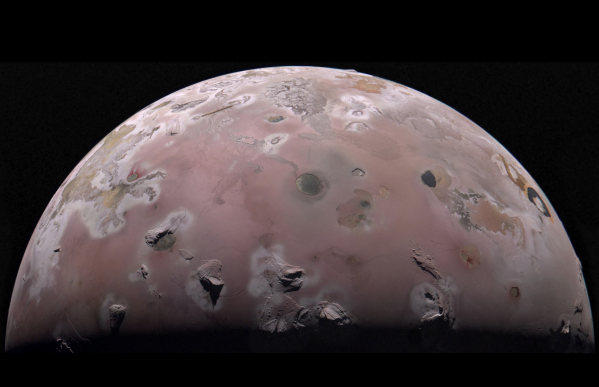
  • How do you fix a space camera 370 million miles away?
    NASA gently warmed a camera on its #JunoMisson to heal radiation damage, and just in time for stunning new images of Jupiter’s volcanic moon, Io.

    The experimental technique also offers lessons that will benefit other space systems that experience high radiation: https://www.nasa.gov/missions/juno/nasa-shares-how-to-save-camera-370-million-miles-away-near-jupiter/
    How do you fix a space camera 370 million miles away? NASA gently warmed a camera on its #JunoMisson to heal radiation damage, and just in time for stunning new images of Jupiter’s volcanic moon, Io. The experimental technique also offers lessons that will benefit other space systems that experience high radiation: https://www.nasa.gov/missions/juno/nasa-shares-how-to-save-camera-370-million-miles-away-near-jupiter/
    WWW.NASA.GOV
    NASA Shares How to Save Camera 370-Million-Miles Away Near Jupiter
    An experimental technique rescued a camera aboard the agency’s Juno spacecraft, offering lessons that will benefit other space systems that experience high
    0 Comments 0 Shares 256 Views
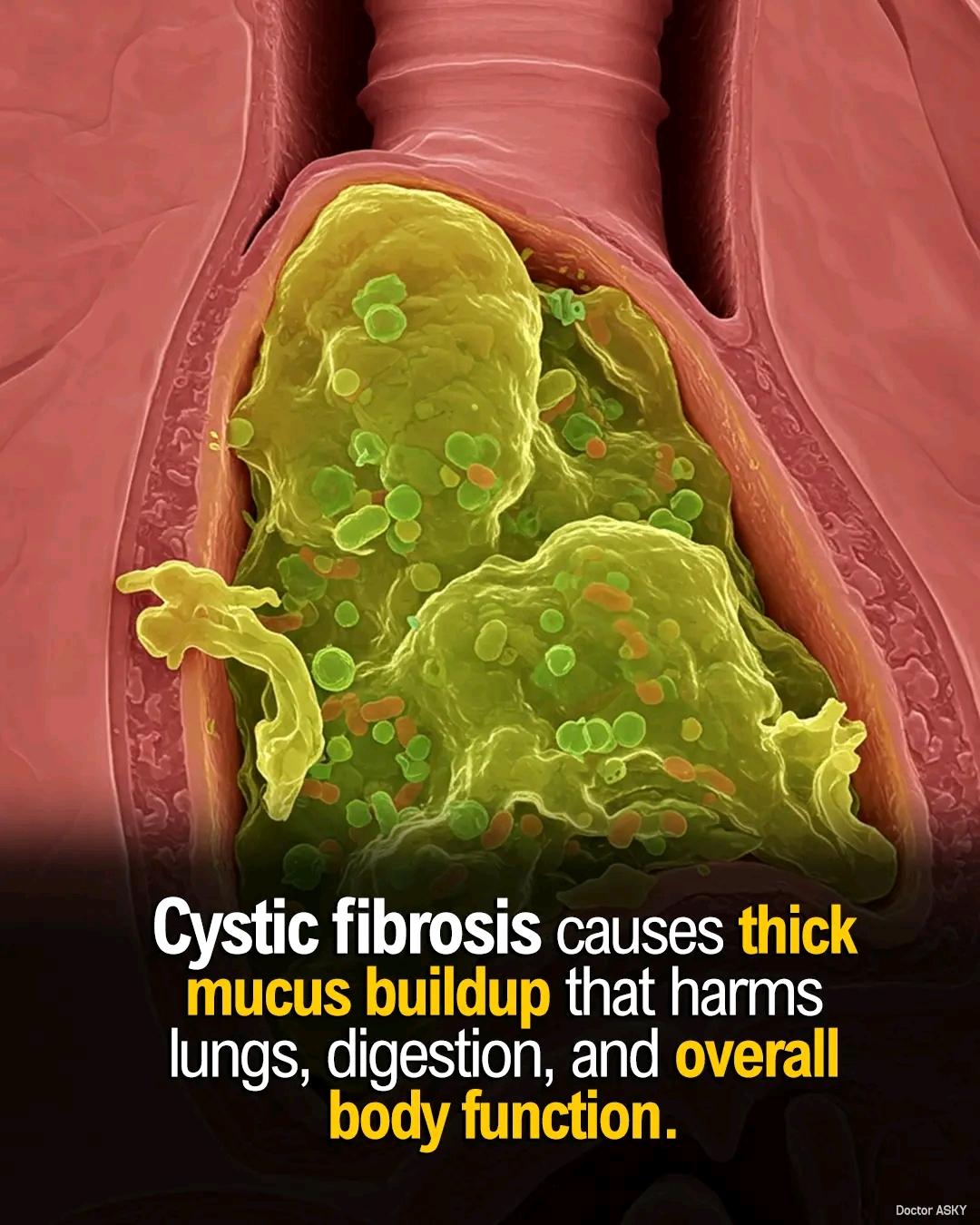
  • Cystic fibrosis is a lifelong genetic disorder that mainly affects the lungs and digestive system, but it can also impact other organs. It happens because of a faulty gene that disrupts how salt moves in and out of cells. As a result, instead of thin, slippery secretions, people with this condition produce thick, sticky mucus that clogs airways, tubes, and ducts. This can lead to serious breathing problems and trouble absorbing nutrients from food.

    Symptoms vary from person to person and can show up at different ages. Some people may not notice issues until adolescence. Common respiratory symptoms include persistent coughing, shortness of breath, frequent lung infections, and nasal congestion. On the digestive side, symptoms can include greasy stools, slow growth, poor weight gain, and even bowel blockages. A high salt level in sweat is also a typical sign, which is why a "sweat test" is often used for diagnosis.

    Cystic fibrosis runs in families, especially among people of Northern European descent. Complications can be severe—ranging from chronic lung infections and lung damage to nutritional deficiencies, diabetes, and weakened bones. While there’s no cure, early diagnosis and proper care can make a big difference. Treatment focuses on clearing mucus, preventing infections, maintaining good nutrition, and supporting overall health. Simple habits like regular handwashing, avoiding smoke, staying active, and sticking to medical appointments can help manage the condition more effectively.
    Cystic fibrosis is a lifelong genetic disorder that mainly affects the lungs and digestive system, but it can also impact other organs. It happens because of a faulty gene that disrupts how salt moves in and out of cells. As a result, instead of thin, slippery secretions, people with this condition produce thick, sticky mucus that clogs airways, tubes, and ducts. This can lead to serious breathing problems and trouble absorbing nutrients from food. Symptoms vary from person to person and can show up at different ages. Some people may not notice issues until adolescence. Common respiratory symptoms include persistent coughing, shortness of breath, frequent lung infections, and nasal congestion. On the digestive side, symptoms can include greasy stools, slow growth, poor weight gain, and even bowel blockages. A high salt level in sweat is also a typical sign, which is why a "sweat test" is often used for diagnosis. Cystic fibrosis runs in families, especially among people of Northern European descent. Complications can be severe—ranging from chronic lung infections and lung damage to nutritional deficiencies, diabetes, and weakened bones. While there’s no cure, early diagnosis and proper care can make a big difference. Treatment focuses on clearing mucus, preventing infections, maintaining good nutrition, and supporting overall health. Simple habits like regular handwashing, avoiding smoke, staying active, and sticking to medical appointments can help manage the condition more effectively.
    0 Comments 0 Shares 238 Views
  • A Giant Cosmic Eyeball May Be Watching Us And It Could Be Hiding a Massive Ocean

    Say hello to LHS-1140b a mysterious exoplanet just 50 light-years from Earth that looks like something straight out of science fiction. Thanks to the incredible clarity of the James Webb Space Telescope, astronomers are buzzing with excitement over what might be hidden beneath its strange, frozen surface: a massive liquid ocean, quietly shimmering on the sunlit side of this alien world.

    Orbiting a cool red dwarf star, LHS-1140b is what scientists call tidally locked—meaning one side of the planet always faces its star, basking in eternal light, while the other remains trapped in permanent night. The sunlit hemisphere, warmed just enough, could cradle a vast ocean, while the dark side stays frozen solid. The result? A bizarre but mesmerizing planetary appearance: one glowing watery “eye” in the middle of a pitch-black icy globe. This eerie visual has earned it the nickname “eyeball planet.”

    But this isn’t just about looks. If the suspected ocean exists, LHS-1140b could rank among the most promising places to find alien life. Unlike Earth-like planets that dominate our dreams of space colonization, this half-frozen, half-liquid world challenges our assumptions of habitability. Its extreme conditions don’t rule out life—they may even support it. That’s why LHS-1140b is quickly climbing the ranks of top exoplanet candidates in the search for extraterrestrial biology.

    Ultimately, LHS-1140b is a reminder that the universe isn’t bound by Earth’s rules. It teases us with the possibility that even in deep, cold shadows—or within glowing alien seas—life might find a way to exist. And it’s that cosmic mystery that keeps our eyes turned skyward.

    Credit: Data and insights based on observations from the James Webb Space Telescope, shared via NASA, European Space Agency, and astronomer commentary published by multiple astrophysical journals and science news outlets
    A Giant Cosmic Eyeball May Be Watching Us And It Could Be Hiding a Massive Ocean Say hello to LHS-1140b a mysterious exoplanet just 50 light-years from Earth that looks like something straight out of science fiction. Thanks to the incredible clarity of the James Webb Space Telescope, astronomers are buzzing with excitement over what might be hidden beneath its strange, frozen surface: a massive liquid ocean, quietly shimmering on the sunlit side of this alien world. Orbiting a cool red dwarf star, LHS-1140b is what scientists call tidally locked—meaning one side of the planet always faces its star, basking in eternal light, while the other remains trapped in permanent night. The sunlit hemisphere, warmed just enough, could cradle a vast ocean, while the dark side stays frozen solid. The result? A bizarre but mesmerizing planetary appearance: one glowing watery “eye” in the middle of a pitch-black icy globe. This eerie visual has earned it the nickname “eyeball planet.” But this isn’t just about looks. If the suspected ocean exists, LHS-1140b could rank among the most promising places to find alien life. Unlike Earth-like planets that dominate our dreams of space colonization, this half-frozen, half-liquid world challenges our assumptions of habitability. Its extreme conditions don’t rule out life—they may even support it. That’s why LHS-1140b is quickly climbing the ranks of top exoplanet candidates in the search for extraterrestrial biology. Ultimately, LHS-1140b is a reminder that the universe isn’t bound by Earth’s rules. It teases us with the possibility that even in deep, cold shadows—or within glowing alien seas—life might find a way to exist. And it’s that cosmic mystery that keeps our eyes turned skyward. Credit: Data and insights based on observations from the James Webb Space Telescope, shared via NASA, European Space Agency, and astronomer commentary published by multiple astrophysical journals and science news outlets
    0 Comments 0 Shares 450 Views
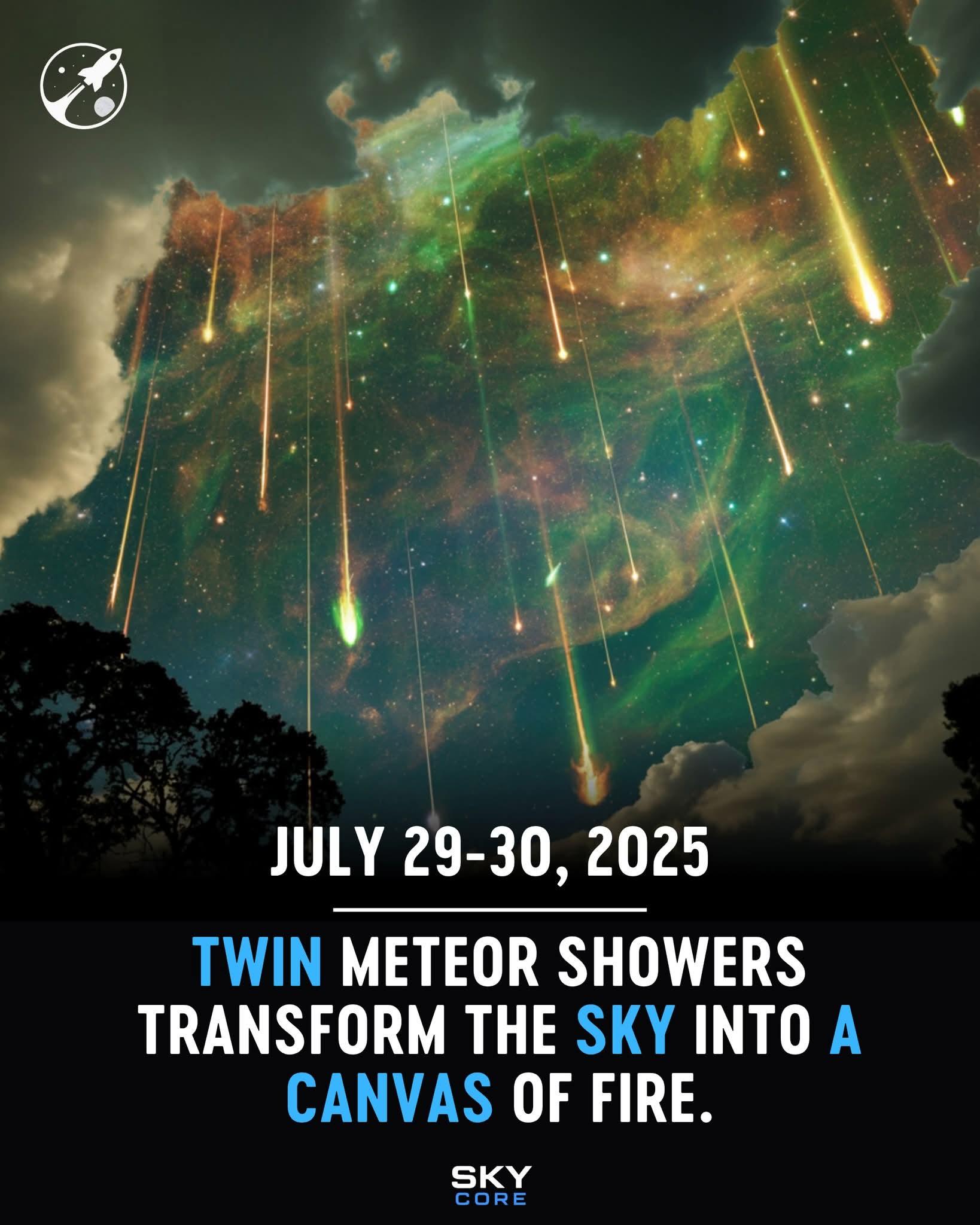
  • Double Meteor Showers Will Ignite the Night Catch the Spectacle Without a Telescope!

    Get ready for an epic celestial event as two meteor showers, the Delta Aquariids and Alpha Capricornids, peak together overnight from July 29 to July 30. For one unforgettable night, the sky will dazzle with swift, faint meteors from the Delta Aquariids originating from Comet 96P/Machholz delivering up to 25 meteors per hour, many leaving behind glowing, lingering trails.

    Alongside them, the Alpha Capricornids, tied to Comet 169P/NEAT, will provide slower-moving but brilliant fireballs that may burst and flash across the sky, painting a dramatic cosmic picture.

    This rare double feature creates a dynamic blend of speed and color as Earth passes through two ancient comet trails. The best viewing window is between 2:00 and 4:00 AM, especially in areas with dark, clear southern skies. No special equipment is required just your eyes and a bit of patience to witness interplanetary dust, some older than 10,000 years, blazing through our atmosphere at speeds up to 100,000 km/h. Don’t miss this fleeting chance to see cosmic history in action, live above you.

    Source: U.S. National Weather Service, NASA Meteor Watch
    Double Meteor Showers Will Ignite the Night Catch the Spectacle Without a Telescope! Get ready for an epic celestial event as two meteor showers, the Delta Aquariids and Alpha Capricornids, peak together overnight from July 29 to July 30. For one unforgettable night, the sky will dazzle with swift, faint meteors from the Delta Aquariids originating from Comet 96P/Machholz delivering up to 25 meteors per hour, many leaving behind glowing, lingering trails. Alongside them, the Alpha Capricornids, tied to Comet 169P/NEAT, will provide slower-moving but brilliant fireballs that may burst and flash across the sky, painting a dramatic cosmic picture. This rare double feature creates a dynamic blend of speed and color as Earth passes through two ancient comet trails. The best viewing window is between 2:00 and 4:00 AM, especially in areas with dark, clear southern skies. No special equipment is required just your eyes and a bit of patience to witness interplanetary dust, some older than 10,000 years, blazing through our atmosphere at speeds up to 100,000 km/h. Don’t miss this fleeting chance to see cosmic history in action, live above you. Source: U.S. National Weather Service, NASA Meteor Watch
    0 Comments 0 Shares 278 Views
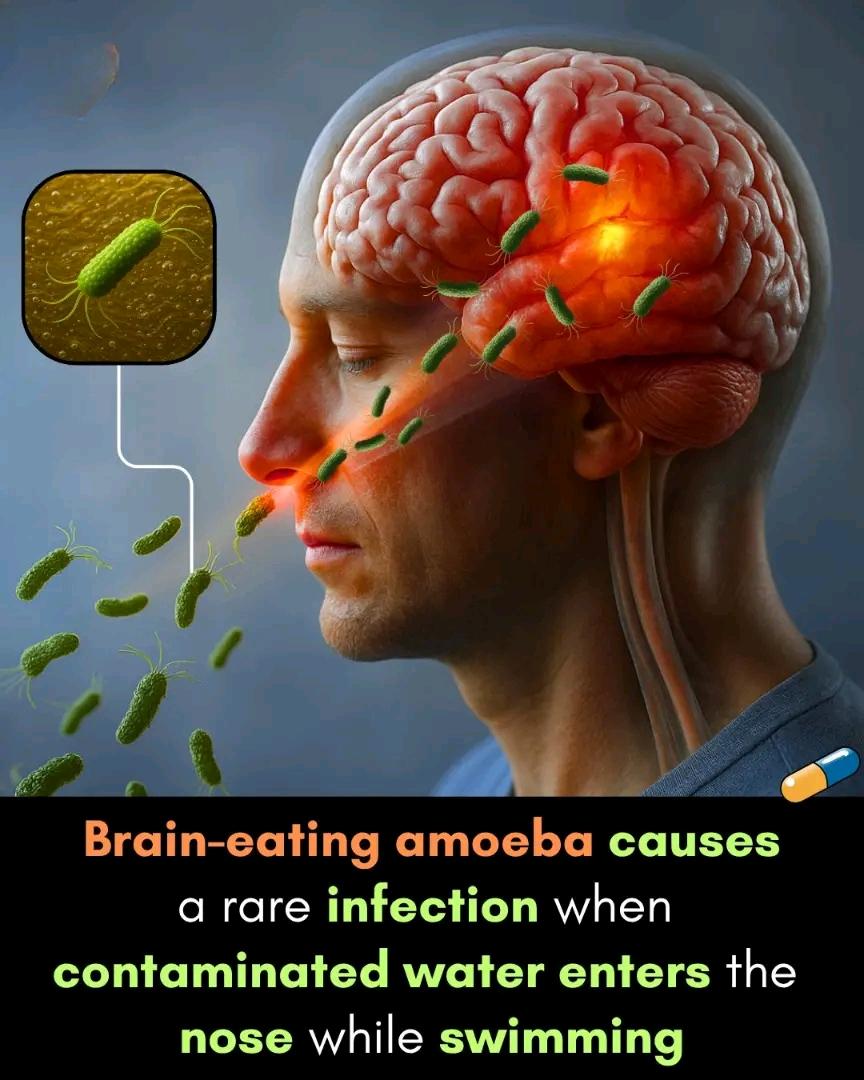
  • đŸ§ âš ī¸ Brain-Eating Amoeba: Rare but Real

    Meet Naegleria fowleri — a microscopic amoeba found in warm freshwater like lakes, rivers, and ponds. It’s incredibly rare, but when contaminated water enters through the nose, the amoeba can travel to the brain and cause a deadly infection called Primary Amoebic Meningoencephalitis (PAM).

    đŸŠē Key Facts
    – Infection only occurs when water enters the nose, not by drinking
    – Symptoms appear 2–8 days after exposure: fever, headache, nausea, confusion, seizures
    – The condition progresses fast and is usually fatal — but cases are extremely rare (only 34 reported in the U.S. from 2009–2018)

    ✅ Protect Yourself
    – Avoid freshwater swimming during hot weather
    – Use nose clips
    – Don’t jump or dive into warm freshwater
    – Rinse nasal passages with distilled or boiled water

    Stay informed, stay safe — no panic, just prevention.
    đŸ§ âš ī¸ Brain-Eating Amoeba: Rare but Real Meet Naegleria fowleri — a microscopic amoeba found in warm freshwater like lakes, rivers, and ponds. It’s incredibly rare, but when contaminated water enters through the nose, the amoeba can travel to the brain and cause a deadly infection called Primary Amoebic Meningoencephalitis (PAM). đŸŠē Key Facts – Infection only occurs when water enters the nose, not by drinking – Symptoms appear 2–8 days after exposure: fever, headache, nausea, confusion, seizures – The condition progresses fast and is usually fatal — but cases are extremely rare (only 34 reported in the U.S. from 2009–2018) ✅ Protect Yourself – Avoid freshwater swimming during hot weather – Use nose clips – Don’t jump or dive into warm freshwater – Rinse nasal passages with distilled or boiled water Stay informed, stay safe — no panic, just prevention.
    0 Comments 0 Shares 228 Views
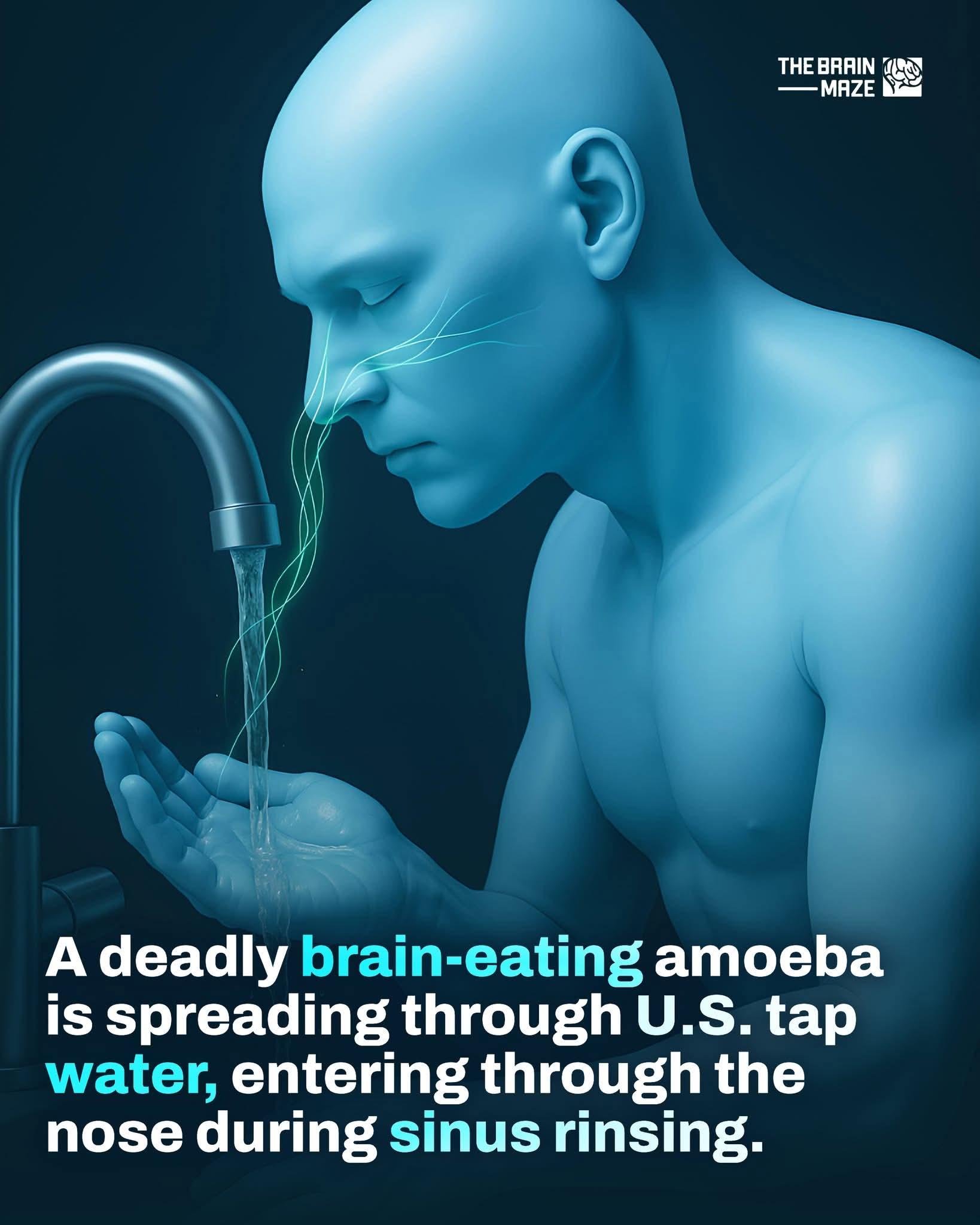
  • Naegleria fowleri, commonly known as the “brain-eating amoeba,” is a rare but deadly microscopic organism that has recently been spreading through tap water in parts of the United States. This parasite can enter the human body when contaminated water flows into the nose—typically during activities like swimming in warm freshwater or rinsing sinuses with unboiled or untreated tap water. Once inside, it travels up the olfactory nerve into the brain, where it causes a fast-acting and almost always fatal condition called primary amebic meningoencephalitis (PAM). Although infections remain extremely rare, recent fatal cases have drawn renewed attention to the risks of using unboiled tap water in nasal irrigation devices such as neti pots. The amoeba does not pose a threat when swallowed—it only causes harm when water enters the nasal passages. To reduce the risk, health officials strongly recommend using only sterile, distilled, or previously boiled and cooled water for any form of nasal rinsing.

    Source: Centers for Disease Control and Prevention (CDC)
    Naegleria fowleri, commonly known as the “brain-eating amoeba,” is a rare but deadly microscopic organism that has recently been spreading through tap water in parts of the United States. This parasite can enter the human body when contaminated water flows into the nose—typically during activities like swimming in warm freshwater or rinsing sinuses with unboiled or untreated tap water. Once inside, it travels up the olfactory nerve into the brain, where it causes a fast-acting and almost always fatal condition called primary amebic meningoencephalitis (PAM). Although infections remain extremely rare, recent fatal cases have drawn renewed attention to the risks of using unboiled tap water in nasal irrigation devices such as neti pots. The amoeba does not pose a threat when swallowed—it only causes harm when water enters the nasal passages. To reduce the risk, health officials strongly recommend using only sterile, distilled, or previously boiled and cooled water for any form of nasal rinsing. Source: Centers for Disease Control and Prevention (CDC)
    0 Comments 0 Shares 208 Views
More Results
BlackBird Ai
https://bbai.shop