

 Ai and Tools
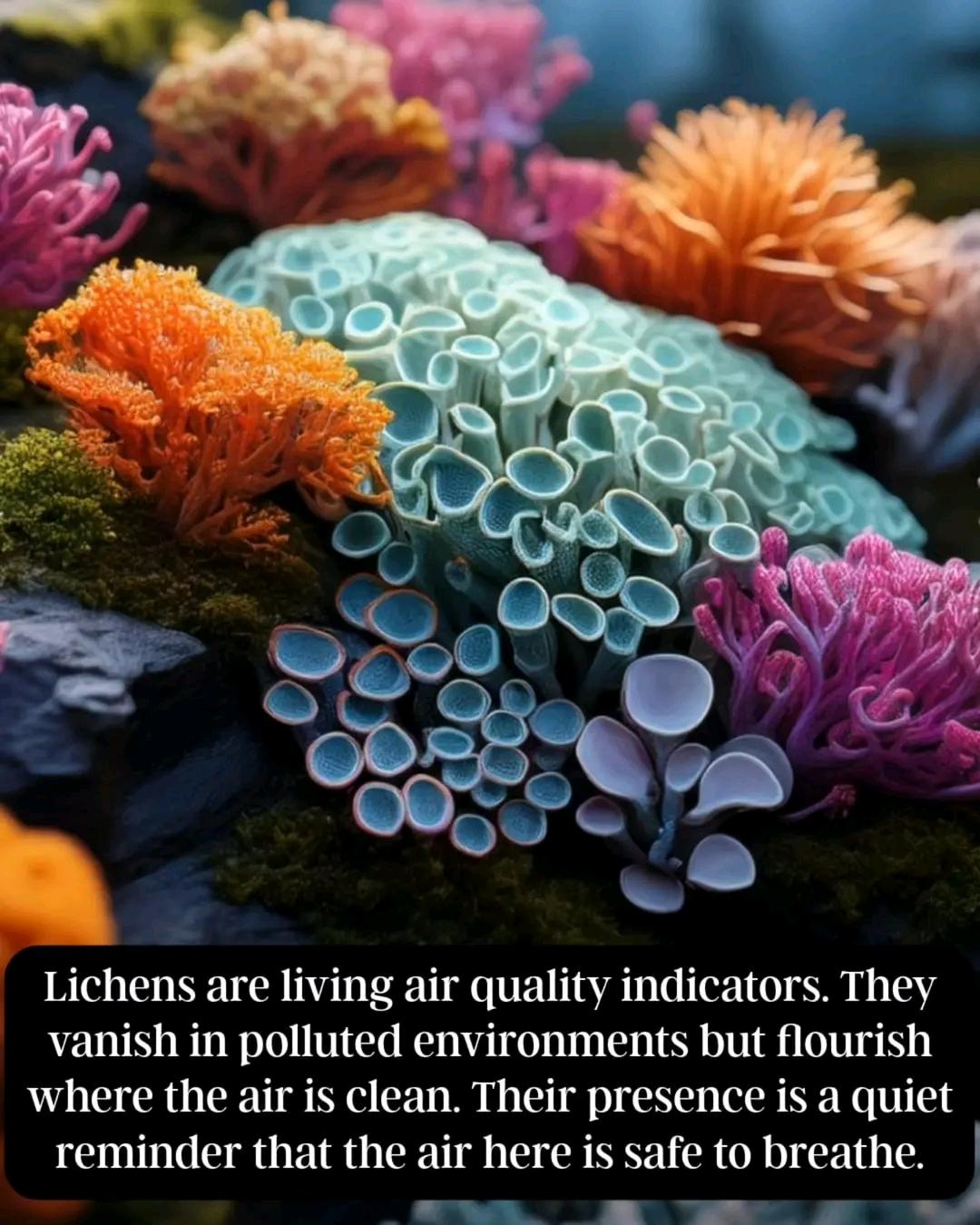
Lichens are fascinating organisms that serve as natural indicators of air quality due to their unique biology and sensitivity to environmental conditions. Composed of a symbiotic relationship between fungi and photosynthetic partners (algae or cyanobacteria), lichens lack protective outer layers, making them highly susceptible to air pollutants like sulfur dioxide, nitrogen oxides, and heavy metals.
These pollutants disrupt their metabolic processes, causing them to vanish in areas with poor air quality, such as industrial zones or urban centers with heavy traffic. Conversely, lichens thrive in clean, unpolluted environments, such as pristine forests or remote mountains, where air contaminants are minimal.
Their presence or absence provides a reliable, cost-effective way to monitor air quality over time. Different lichen species have varying tolerances to pollution, allowing scientists to assess environmental health by studying lichen diversity and abundance. For example, bushy lichens often indicate cleaner air, while crusty or pollution-tolerant species may dominate in degraded areas. By flourishing in unpolluted regions, lichens signal that the air is safe to breathe, serving as a quiet yet powerful reminder of the importance of maintaining clean environments for both ecological and human health. Their sensitivity makes them vital tools for environmental monitoring.
These pollutants disrupt their metabolic processes, causing them to vanish in areas with poor air quality, such as industrial zones or urban centers with heavy traffic. Conversely, lichens thrive in clean, unpolluted environments, such as pristine forests or remote mountains, where air contaminants are minimal.
Their presence or absence provides a reliable, cost-effective way to monitor air quality over time. Different lichen species have varying tolerances to pollution, allowing scientists to assess environmental health by studying lichen diversity and abundance. For example, bushy lichens often indicate cleaner air, while crusty or pollution-tolerant species may dominate in degraded areas. By flourishing in unpolluted regions, lichens signal that the air is safe to breathe, serving as a quiet yet powerful reminder of the importance of maintaining clean environments for both ecological and human health. Their sensitivity makes them vital tools for environmental monitoring.
Lichens are fascinating organisms that serve as natural indicators of air quality due to their unique biology and sensitivity to environmental conditions. Composed of a symbiotic relationship between fungi and photosynthetic partners (algae or cyanobacteria), lichens lack protective outer layers, making them highly susceptible to air pollutants like sulfur dioxide, nitrogen oxides, and heavy metals.
These pollutants disrupt their metabolic processes, causing them to vanish in areas with poor air quality, such as industrial zones or urban centers with heavy traffic. Conversely, lichens thrive in clean, unpolluted environments, such as pristine forests or remote mountains, where air contaminants are minimal.
Their presence or absence provides a reliable, cost-effective way to monitor air quality over time. Different lichen species have varying tolerances to pollution, allowing scientists to assess environmental health by studying lichen diversity and abundance. For example, bushy lichens often indicate cleaner air, while crusty or pollution-tolerant species may dominate in degraded areas. By flourishing in unpolluted regions, lichens signal that the air is safe to breathe, serving as a quiet yet powerful reminder of the importance of maintaining clean environments for both ecological and human health. Their sensitivity makes them vital tools for environmental monitoring.
0 Kommentare
0 Geteilt
329 Ansichten

 English
 Bangla
 Spanish
 China
China
 Arabic
 French
 Russian